A hinge point under scrutiny
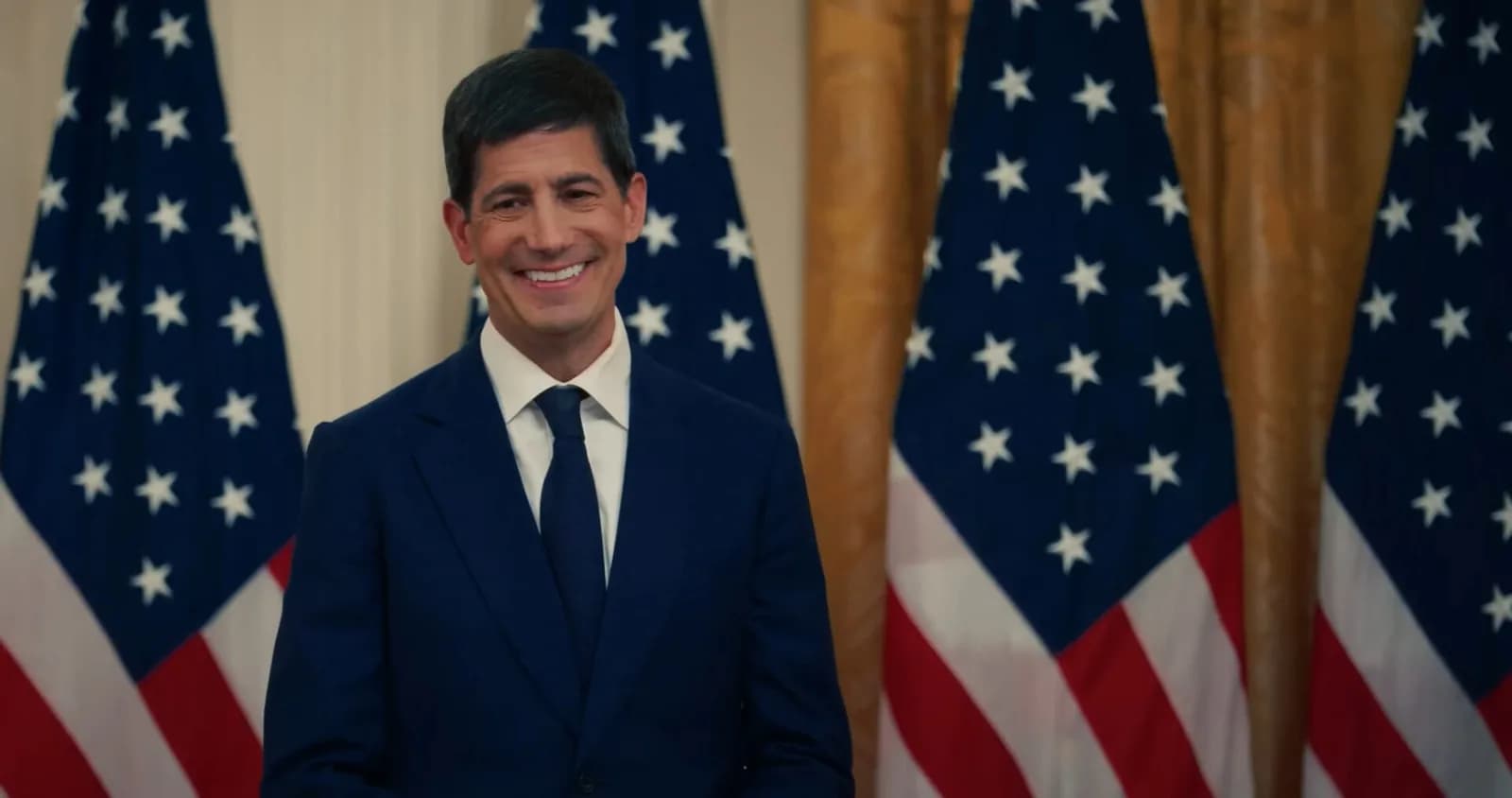
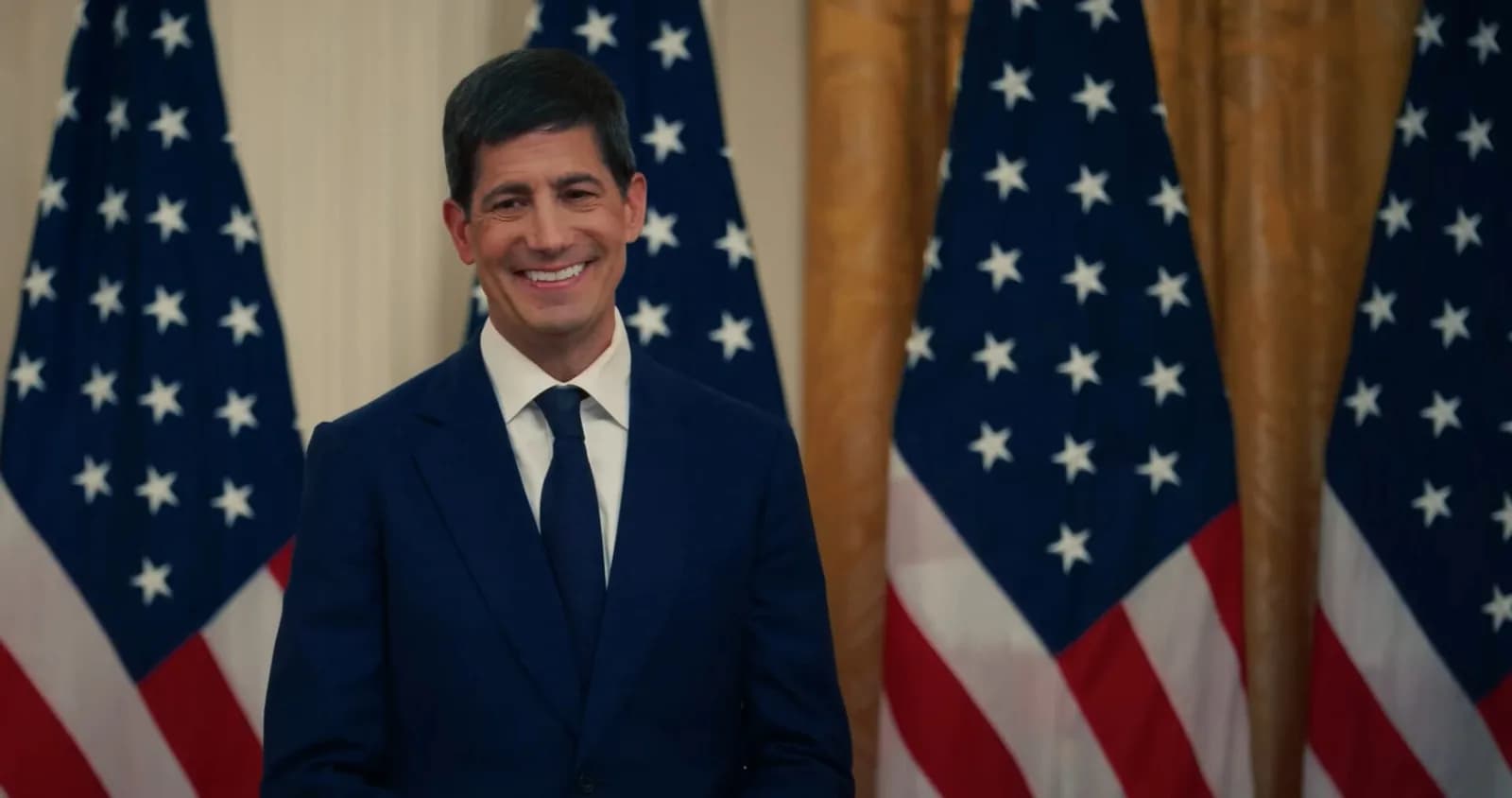
Federal Reserve officials broadly expect artificial intelligence to transform the US economy, a conviction that Silicon Valley backers have promoted on billboards and television while pouring trillions of dollars into data centers. Yet the timing and shape of that transformation remain unpredictable for central bankers whose job is to manage inflation and employment in the near term. On Monday in San Francisco, Fed Chairman Kevin Warsh will chair a public forum aimed at sharpening his understanding of the risks and rewards he and his colleagues may soon have to weigh, from sweeping job losses to faster growth and cheaper prices.[S1][S2]
The gathering is the sole scheduled public event among the five task forces Warsh created earlier this year to examine matters of major consequence for the Fed. It places him at the center of a young industry he has described as a hinge point in history, even after last week's midterm elections produced a backlash against rapid data center construction and highlighted the prospect of widening inequality.[S1][S2]
Inflation cuts both ways
Although AI holds out the possibility of pushing prices down, Warsh is opening the discussion while the aggressive buildout is doing the reverse, lifting prices in ways that worry a growing number of Fed officials. There is no clear signal about when that pressure might ease, and the central bank could conceivably need to restrain the very expansion Warsh regards as revolutionary. The picture that looked straightforward when he was auditioning for the job, a vision of turbocharged growth and strong productivity, has become the subject of a national argument that could alter the industry's path. He was himself an investor in AI companies but divested under Fed ethics rules.[S1]
The anxieties, though rooted in local politics, stretch from land use to children's and societal mental health, to possible strain in financial markets as capital flows through ever more intricate AI funding structures, and most recently to national security after disclosures about a senior tech executive's ties to an alleged Chinese spy. Oakland Mayor Barbara Lee, joining a campaign to halt local data center construction that has spread across San Francisco Bay, said AI must be deployed responsibly and ethically and must not become a vehicle for bias, harm, discrimination or displacement.[S1]
An agenda that may outgrow three hours
The three-hour gathering may not leave enough room to work through all the questions about whether AI adoption will accelerate or restrain growth, and thus how much it will move inflation, jobs and other measures the Fed watches. According to an agenda released by the San Francisco Fed, the event will feature three speaker panels, with Warsh opening and closing it, and will collect views from a broad mix of stakeholders on what the technology means for the economy and the labor market.[S1]
The venue feels like a return home for the Fed chief, who was a student at Stanford University nearby together with several of the tech sector's best-known names. One of them, Marc Andreessen, was picked by him to head the AI-focused task force, which Warsh now refers to as super intelligence, matching President Donald Trump's preferred term. The productivity and jobs panel also features Chad Jones, a Stanford economics professor affiliated with the in-house think tank of AI company Anthropic, which is approaching an IPO that would put its value above $1 trillion, and Asha Sharma, who leads Microsoft's Xbox division.[S1]
Jobs, growth and a historic investment
The Fed's attention to AI predates Warsh's arrival, with research accelerating after ChatGPT's release in 2022 and the technology advancing rapidly from a decade ago, when it struggled to distinguish a cat from a kitchen table. Breakthroughs in large language models and vast computing capacity now let AI solve advanced math and medical problems, turn novice entrepreneurs into software engineers, and provide tailored agentic services that handle legal or scientific research or manage bill paying and daily planning.[S1]
Warsh first viewed AI as a force that would lower inflation through higher productivity, a kind of free ride permitting lower interest rates than would otherwise be expected. Since joining the Fed in May he has adopted a more nuanced stance, reflecting uncertainty about when productivity gains arrive, the potentially inflationary investment required to achieve them, and divergent views on jobs that run from broad prosperity to a Dickensian world of persistent underemployment. At a September forum in Oakland, where the mayor issued her warning, Fed Governor Lisa Cook repeated concerns that AI would cause at least a temporary rise in unemployment and possibly lift the underlying jobless level. Fed Governor Michael Barr said on Thursday that the US should brace for serious short-term disruptions to the labor market, depending on how quickly AI is deployed and whether it stays broadly available and affordable to businesses of every size.[S1]
At present, spending on AI is propping up US growth, equity markets and household and business outlays that would otherwise look weak. Richmond Fed President Tom Barkin, in a recent speech at a South Carolina chamber of commerce gathering, called the size of that spending genuinely historic, on a par with the railroad and interstate highway building eras.[S1]