Retail spending expected to cool as fuel costs bite
New figures on U.S. retail sales will be the week's headline economic release, arriving as inflation continues to run hot. Prices for groceries, clothing and gasoline have squeezed millions of households and weighed on the wider economy, and the cost of living was the dominant issue for many voters in the midterm elections that handed Democrats control of Congress.[S1][S2][S3][S4][S5]
Economists anticipate a 0.2% overall gain in retail activity for last month, a slowdown from 0.8% in September and 1.3% in August. Spending at filling stations, by contrast, has jumped as fuel costs stay high because of the U.S. war with Iran, which disrupted shipping through the Strait of Hormuz, cut global oil supplies and pushed prices up. That has made gasoline dearer and indirectly raised the cost of shipped goods.[S1]
Consumers have been trimming purchases just as retailers enter the crucial holiday period. The pressure from persistent inflation is expected to last as long as the war constrains global oil supplies and tariffs from the U.S. trade conflict with much of the world continue to push prices higher.[S1]
Fed minutes could reveal the path for interest rates
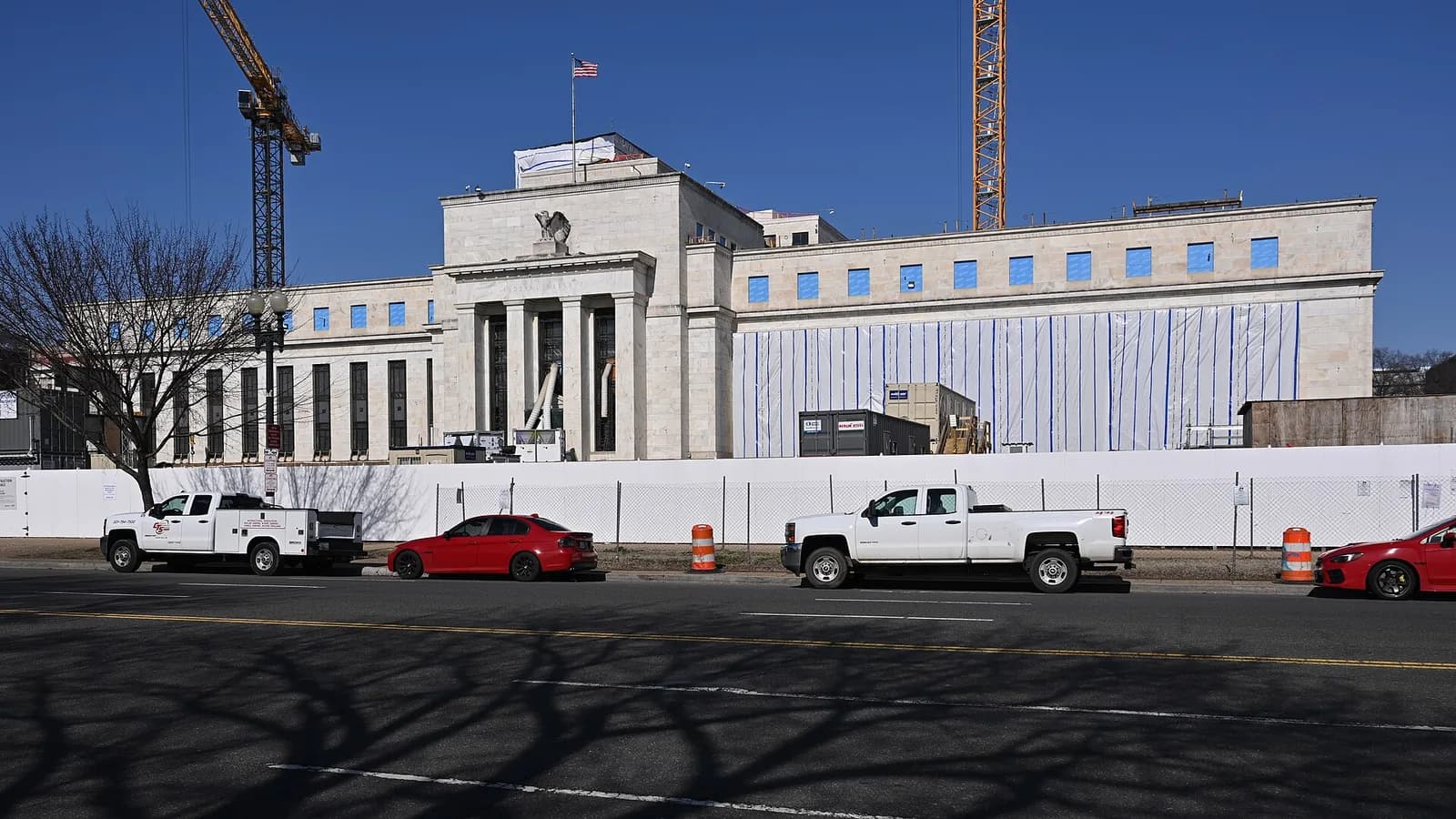
The Federal Reserve will publish details of its most recent policy meeting on Wednesday. The minutes may clarify how the central bank is weighing its options as it seeks to bring inflation down. Policymakers left rates unchanged at their October meeting, after delivering the first increase in three years in September. Higher benchmark rates can restrain growth and cool inflation by making borrowing costlier.[S1]
Yet tighter policy could also hamper hiring, which has been robust but is showing some softness. Supporting employment is part of the Fed's mandate alongside controlling inflation, and the two goals often pull in opposite directions. Inflation has stayed stubbornly above 3%, well above the central bank's 2% target. The Fed is expected to lift rates again in December, and concern about persistent inflation likely points to further increases in 2027.[S1]
Jobs data and household mood round out the week
The latest weekly count of unemployment claims, a rough gauge of layoffs, is due Thursday. Economists track the figure closely for signals about the direction of the labor market. Claims have stayed at historically low levels, and hiring has remained a bright spot in an economy strained by rising prices, which has made it easier for the Fed to concentrate on rate increases to tame inflation.[S1]
The most recent broad employment report, for October, showed U.S. employers added a surprising 165,000 jobs and the unemployment rate fell to 4.1%. Hiring has been solid but unremarkable, with employers adding an average of 86,000 positions a month over the year, a modest pace by historical standards.[S1]
On Friday, the University of Michigan will issue an update to its November consumer sentiment survey. The reading is expected to hold at its preliminary level, which continued to show households pessimistic as inflation presses on their budgets. Other confidence measures have echoed similar worries: the Conference Board's October index improved somewhat but remained on a broader downward path, with respondents still citing high costs for gasoline, goods and services.[S1]