A pause expected despite faster price growth
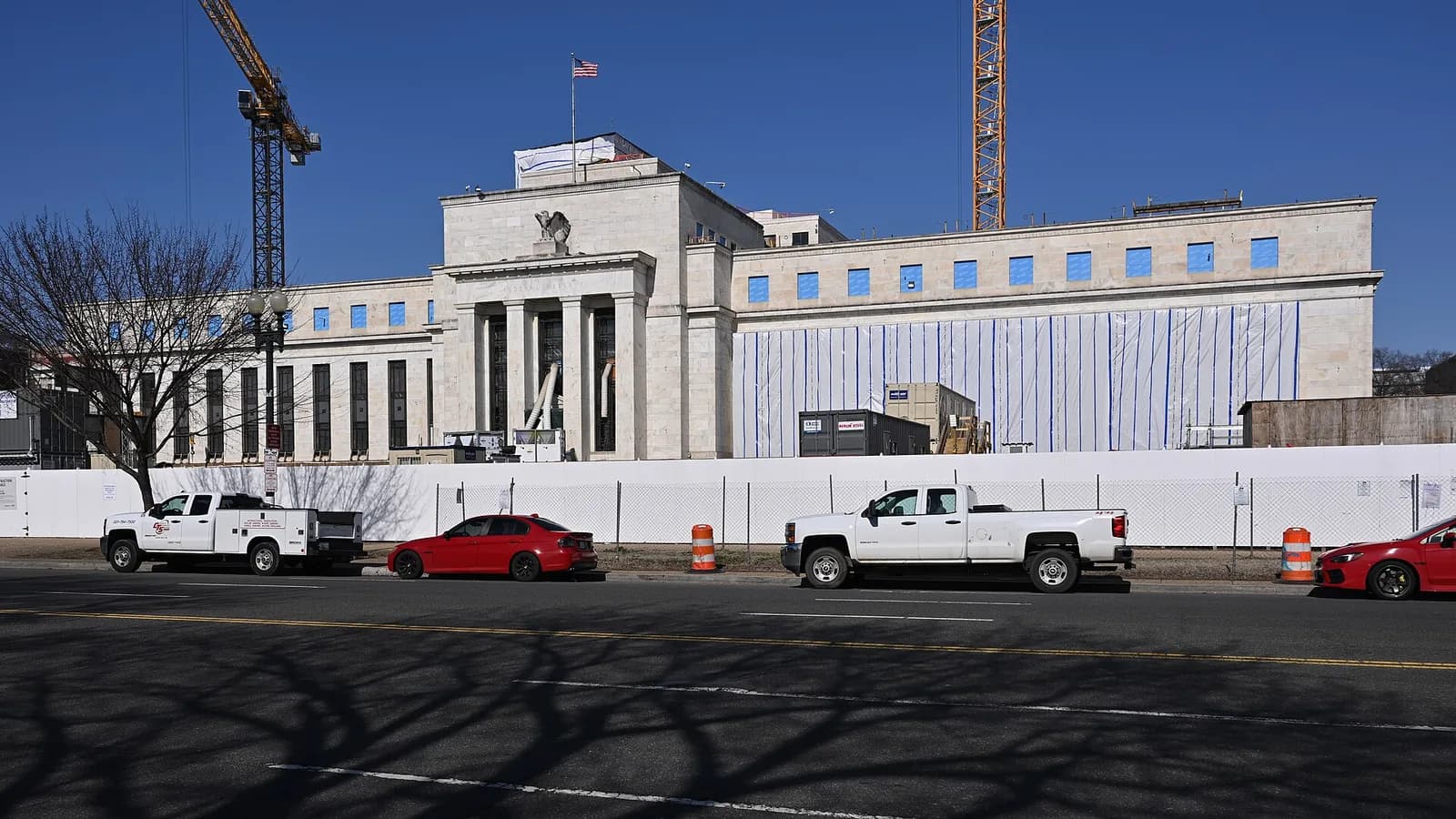
The Federal Reserve is expected to keep its key interest rate where it is when its latest policy meeting wraps up Wednesday, according to reporting from The Associated Press. The pause would come even though inflation has picked up over the past couple of months, driven in part by jumps in oil and gasoline prices after the Iran war. The meeting ends less than a week before the midterm elections, which have centered heavily on living costs and what households can afford.[S1][S2][S3][S4][S5]
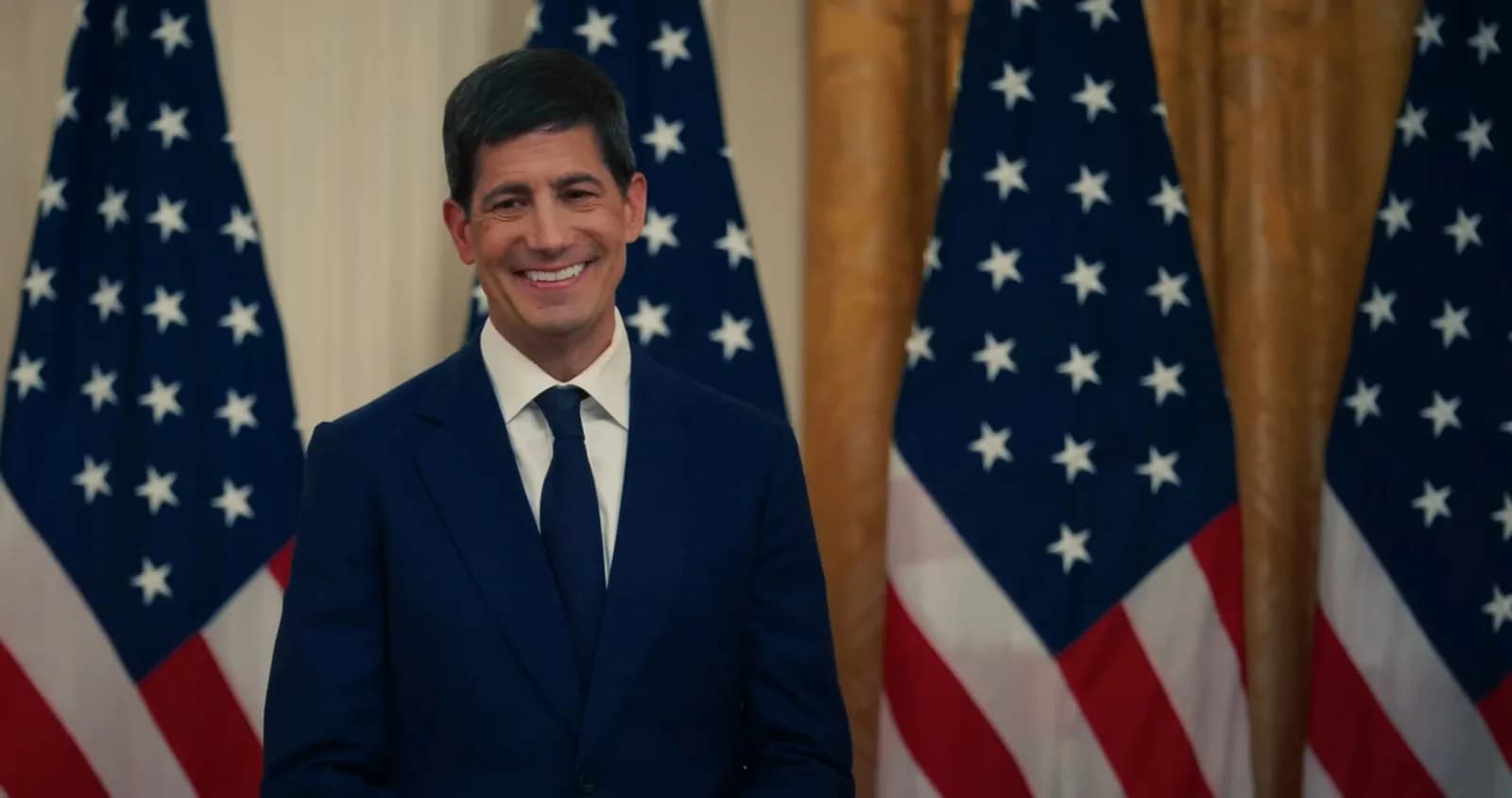
Consumers have grown gloomy about an economy squeezed by pricier fuel, food and clothing, among other goods. The Fed, under Chairman Kevin Warsh, is trying to bring inflation back to its 2% goal, the lever for which is normally a higher short-term rate. Costlier borrowing tends to restrain spending over time and thereby ease price growth. Last month the central bank lifted its key rate for the first time in three years, taking it from roughly 3.6% to 3.9%, a move many investors and economists read as an opening step toward a fresh push against inflation.[S1]
Why higher rates may not fix this inflation
Warsh has several obstacles in the way of that goal. President Donald Trump criticized the Fed for last month's increase, directing most of his complaint at the rate-setting committee rather than at Warsh, whom he appointed. Some of the forces lifting prices, notably the fast construction of artificial intelligence infrastructure and costlier energy, are not the kind that higher interest rates tame easily. Meanwhile, other parts of the economy are already feeling the pinch from rates that market forces had pushed up before the Fed acted last month.[S1]
The average 30-year mortgage rate hit a three-year peak of 7.4% earlier this month before easing slightly. Oxford Economics, a consulting firm, estimates that steeper mortgage costs have put homeownership out of reach for 5 million additional Americans since the start of the year. Fed increases can eventually raise the price of mortgages, auto loans and credit card debt, reinforcing the public sense that homes and cars are becoming less affordable.[S1]
What to watch in Warsh's news conference
Warsh will take questions at a news conference after the decision, and his comments will be scrutinized for signals about the central bank's next move. He is likely to restate the Fed's wish for inflation to return to 2% on a quicker timetable. Some listeners could read that as a hint of another rate increase at the December meeting, a step Wall Street investors already broadly anticipate. If rates stay put, Warsh will be pressed to explain the difference between September's hike and this month's inaction.[S1]
Consumer prices rose 3.7% in September from a year earlier, far above the 2.4% pace in February, just before the Iran war. The consumer price index, the most closely watched inflation gauge, climbed 0.3% in both August and September; sustained over a year, that monthly pace would far outstrip the Fed's target. A separate measure the Fed favors, the personal consumption expenditures price index, is forecast to show a 3.6% yearly gain for September, up from 3.4% in August, with core prices excluding food and energy at 3.1%, up from 3%.[S1]
Aditya Bhave, head of U.S. economics at Bank of America, argued that economists and the Fed have become too relaxed about inflation running above target. He said costlier oil and gas will probably keep prices elevated for several more months, and that rising diesel costs will push up shipping expenses for nearly all goods, potentially spreading inflation more widely. Warsh is expected to keep the Wednesday briefing brief; last month's ran about 30 minutes, while his predecessor, Jerome Powell, often spoke for roughly 45.[S1]
A busy week for central banks worldwide
The Bank of Canada also meets Wednesday and is forecast to raise its key rate by a quarter point, to 2.5%. Policymakers at the European Central Bank and the Bank of Japan are scheduled to meet Thursday and are expected to leave their key rates unchanged. For Warsh, another consideration is that the U.S. economy is expanding at a healthy clip with unemployment low at 4.2%, even though hiring has been sluggish. The government reports Thursday on July-September growth, forecast at 3% by data provider FactSet, up from 2.2% in the April-June quarter. Many economists contend that solid growth shows rates are not especially high and that the economy could absorb further increases to fight inflation.[S1]