Parallel and official quotes diverge
On Friday, November 20, 2026, Argentina's blue dollar — the currency traded outside banks and licensed exchange houses — was priced at 1,620 pesos for purchase and 1,640 pesos for sale. The official rate published by Banco Nación for the same day stood at 1,535 pesos for buying and 1,585 for selling, leaving a wide margin between the two references. Both quotes stop moving at 3 pm, Monday through Friday, in line with banking hours.[S1]
The parallel market has gained ground over the past month: measured against October, the blue dollar is up 5% so far in November 2026. Over the longer stretch, the comparison with 2025 shows a decline of 99.88% for the year to date, a figure that reflects how far the current quote sits from earlier levels. The official dollar, by contrast, is set by the Central Bank and is split into retail and wholesale prices.[S1][S2]
Other dollar references in the market
Beyond the blue and official rates, other channels were also trading. The MEP dollar, obtained by buying and selling shares or bonds with the proceeds settled locally, was quoted at 1,640.92 pesos. The CCL dollar, the contado con liquidación rate, reached 1,758.86 pesos, and the card dollar stood at 2,054 pesos. The cripto dollar moved through the morning, slipping to 1,738.04 pesos at one point, a level that left a gap of about 10% against the official rate.[S2]
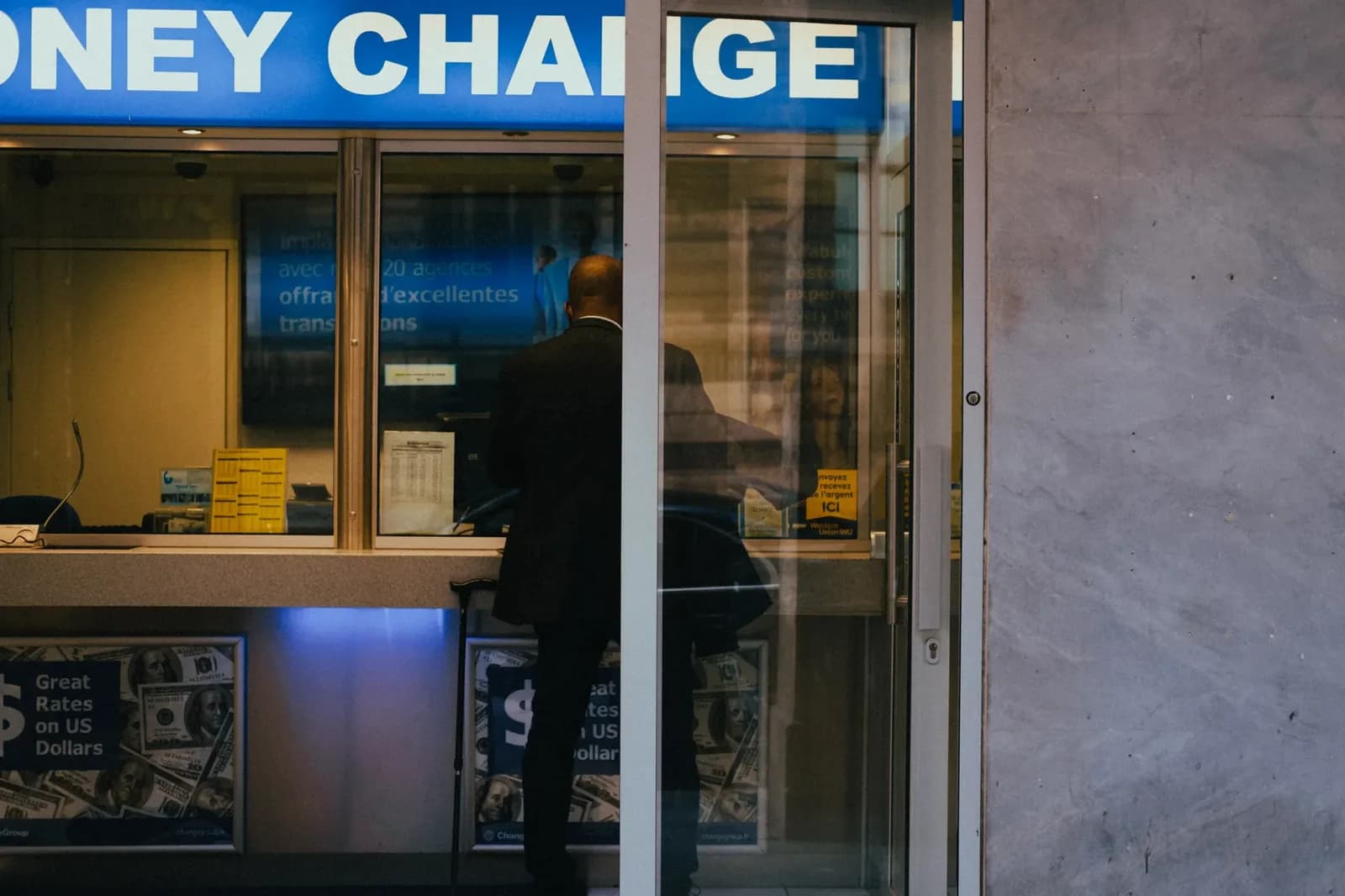
Rules for buying foreign currency at banks changed with the lifting of exchange controls on April 14, 2025. Individuals may now purchase dollars without a cap, provided they hold both a peso account and a dollar account. Purchases above 100,000 dollars require notifying the bank 48 hours in advance, and anyone buying cash at a teller window is limited to 100 physical dollars.[S2]
Why the name and how the market works
The blue dollar circulates in the informal market and typically carries a higher value than the official rate, since it cannot be bought at banks or authorized exchange offices. Explanations for the nickname vary: one holds that the English word also suggests something dark or shadowy; another ties it to trades involving shares of companies known as blue chips; a third points to the shade produced when a marker pen is used to test whether banknotes are counterfeit.[S1]