Blue Dollar and Official Rate on October 6
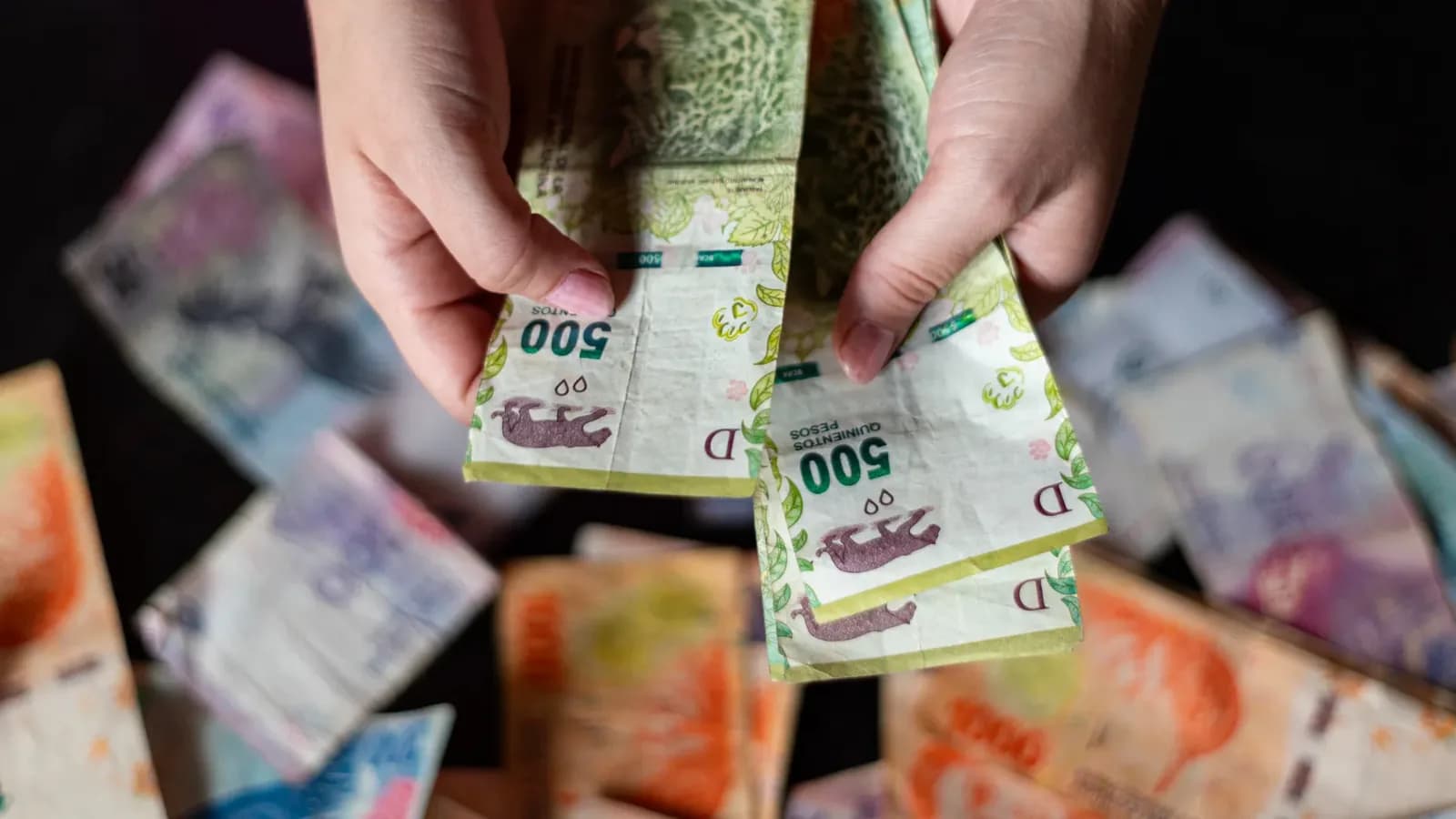
On Tuesday, October 6, 2026, Argentina's blue dollar—the parallel-market rate—is quoted at 1,525 pesos for buying and 1,545 pesos for selling. The official dollar, available through banks, stands at 1,490 pesos for purchase and 1,540 pesos for sale, according to Banco Nación. The blue dollar trades outside official channels and typically carries a higher value than the official rate. Both quotations close at 3 p.m. from Monday to Friday.[S1][S2]
The blue dollar has declined 100% so far in October 2026 compared to the previous month, and it is down 99.89% for the year relative to 2025. These figures highlight a sharp contraction in the parallel rate. The official rate is controlled by the Central Bank of Argentina (BCRA) and opens on business days at 10 a.m., following banking hours.[S1][S2]
Other Dollar Rates and Market Segments
As of 6:10 a.m. on Tuesday, October 6, alternative dollar rates in Argentina include the card dollar at 2,002 pesos, the MEP dollar at 1,542.58 pesos, the CCL dollar at 1,612.28 pesos, and the crypto dollar at 1,628.48 pesos. The MEP rate is obtained through buying and selling stocks or bonds, with the resulting foreign currency deposited locally. The CCL rate also involves securities but is used for international transfers.[S2]
The card dollar applies to transactions abroad, including services like Netflix or Spotify, and consists of the official rate plus a 30% withholding as an income tax advance. Until December 22, 2024, that surcharge was 60%. The wholesale dollar, driven by the Central Bank, involves companies, banks, and grain exporters. The crypto dollar requires registering on a digital platform, transferring pesos or dollars, and then buying or selling. The blue dollar's name may derive from the English word meaning dark, from blue-chip bonds, or from the color of a marker used to detect counterfeit bills.[S1][S2]