Blue and Official Dollar Quotes for September 19, 2026
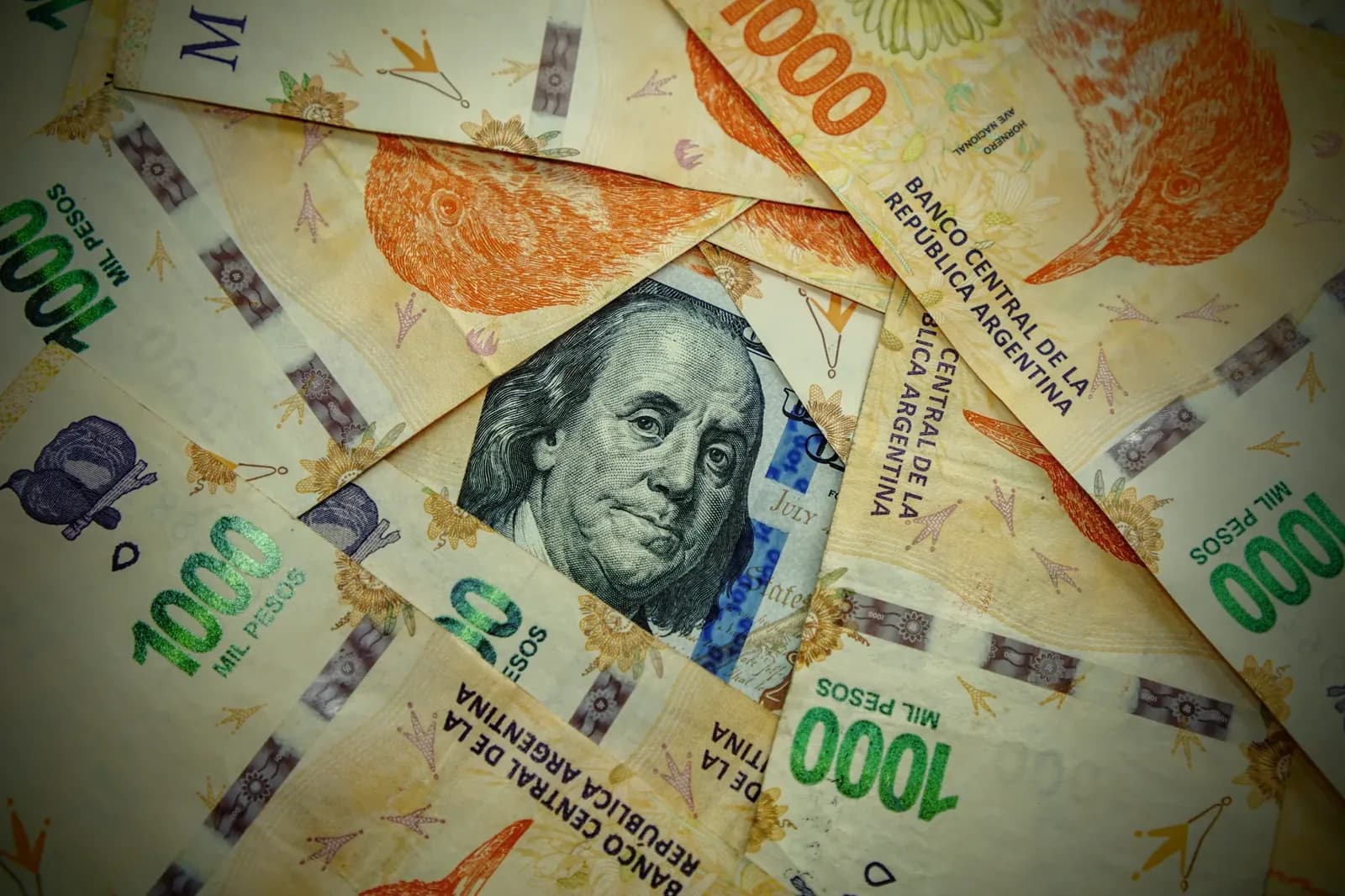
On Saturday, September 19, 2026, the blue dollar is trading at 1,530 pesos for buying and 1,550 pesos for selling. The official dollar at Banco Nación is quoted at 1,485 pesos for purchase and 1,535 pesos for sale. The blue dollar circulates in the black market and is not available through banks or official exchange houses. Its value typically runs higher than the official rate, creating a persistent gap between the two.[S1][S2]
The blue dollar has shown a decline in September 2026 compared to the previous month, with a difference of 100%. So far in 2026, it is down 99.90% relative to 2025. The official dollar is controlled by the Banco Central and has both retail and wholesale quotes. The blue dollar, lacking official oversight, does not have set opening or closing times, though it usually ends between 3:00 p.m. and 4:00 p.m. The official dollar closes at 3:00 p.m., Monday through Friday.[S1][S2]
Other Dollar Rates: Card, MEP, CCL, and Crypto
As of 06:14 on September 19, 2026, the card dollar is at 1,995.50 pesos. This rate combines the official dollar price with a 30% retention for income tax advance. Until December 22, 2024, that surcharge was 60%. The card dollar applies to all transactions abroad, including services like Netflix and Spotify. The MEP dollar is quoted at 1,533.19 pesos, and the CCL dollar at 1,600.72 pesos. The crypto dollar stands at 1,621.70 pesos.[S2]
To operate with the crypto dollar, a saver must register on a digital platform, transfer pesos or dollars to the app, and then buy or sell. For the MEP dollar, the process can be done through home banking or financial apps: open an account on a platform that allows MEP purchases, transfer pesos to the investment account via the user's bank, select the MEP option and enter the amount, and the resulting amount is deposited immediately in the investor's dollar account since the regulatory authority eliminated the parking requirement.[S2]
Understanding the Blue Dollar and Its Name
The blue dollar is the one that circulates in the black market and usually has a higher value than the official. It is not bought in banks or official exchange houses. One explanation for its name suggests that blue, in English, besides naming the color, refers to something dark. Another theory links it to purchase operations through bonds or stocks of companies known as blue chips. It is also associated with the approximate color that appears when a marker is applied to detect counterfeit bills.[S1]