A leader acknowledges defeat in Belgrade
Aleksandar Vučić, Serbia's long-serving leader, has accepted that his Serbian Progressive Party was beaten in the country's early parliamentary election by a movement rooted in student protest. Speaking late on Sunday at the SNS headquarters in the capital, Belgrade, he said the outcome was clear even though the count was not yet complete. Preliminary figures from Serbia's election commission showed turnout at a record high, a development commentators had predicted would work in the students' favour.[S1]
News of the concession set off celebrations in Belgrade's streets, where cars sounded their horns and students shouted about victory. The vote had been framed as a direct contest between Vučić, who has dominated the Balkan nation's politics for years, and a broad coalition of university students who have campaigned against him for close to two years. The result draws a line under more than a decade in power for Vučić and the SNS.[S1][S2]
How a canopy collapse became a movement
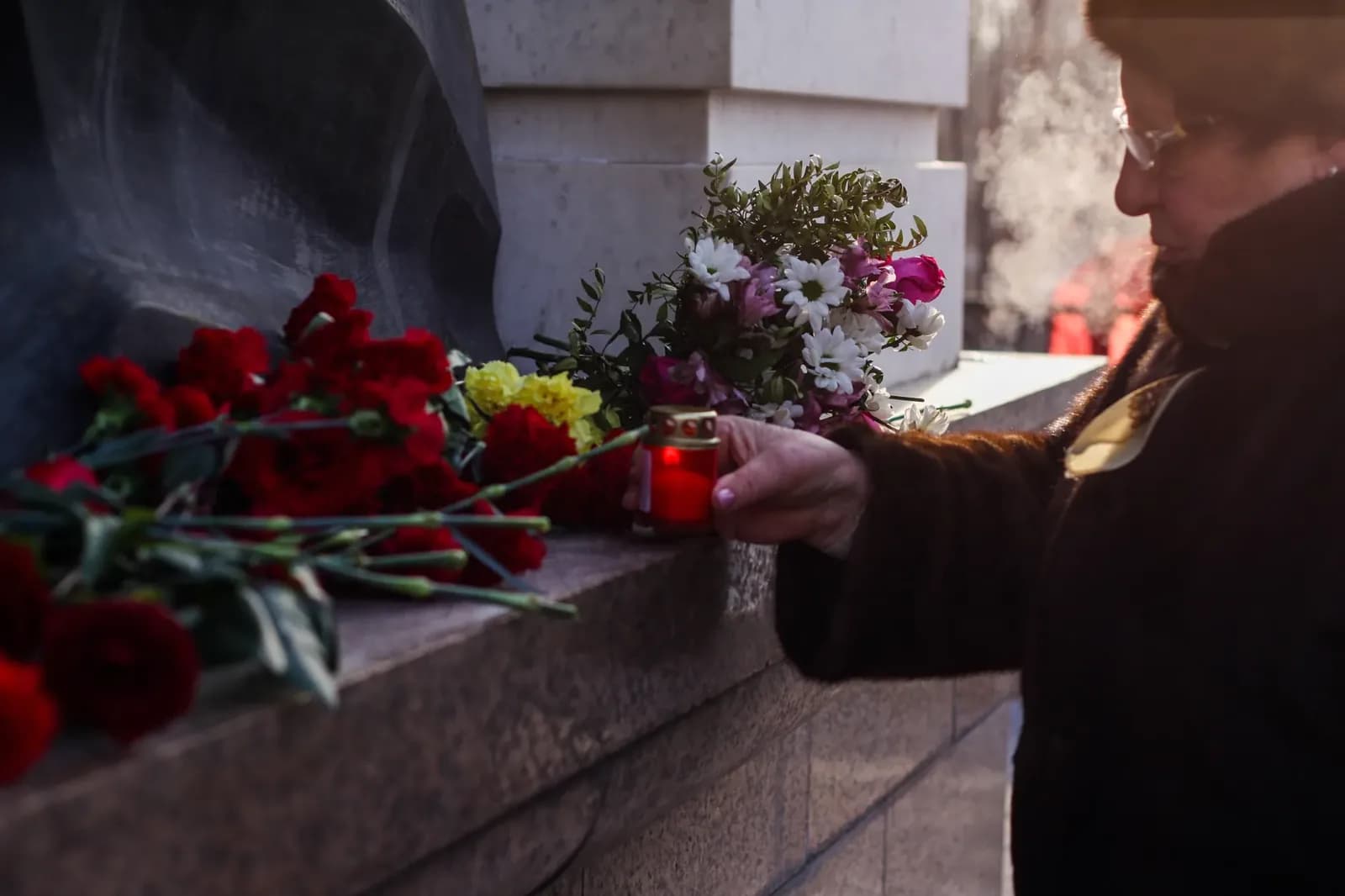
The unrest traces back to 2024, when a canopy at a train station in Novi Sad gave way and killed 16 people. The tragedy ignited public fury over suspected corruption, shoddy construction work and the absence of consequences for those responsible for public infrastructure. Protesters laid the blame on the government, arguing that graft and political favouritism had put public safety at risk; the authorities have denied those claims.[S1][S2]
What started as blockades and marches by university students grew into the largest wave of demonstrations Serbia has seen since Slobodan Milošević was ousted in 2000. Teachers, farmers and other groups joined in, and a campaign for justice over the disaster widened into a broader confrontation with Vučić's hold on power. The student movement then tried to convert the energy of the streets into votes, casting itself as an alternative to both the governing party and the established opposition.[S2]
Turnout, timing and the end of an era
Surveys taken before the vote had suggested a tight race between the SNS and the recently established Students' List, a youth-supported group that emerged from the large-scale protest movement. Vučić scheduled the early election last month and gave up the presidency so he could seek the premiership; his second presidential term would have lasted until May 2027, and the constitution prevented him from serving a third. The SNS first triumphed in parliamentary elections in 2012, and Vučić was prime minister from 2014 until he assumed the presidency in 2017.[S2]
Participation climbed sharply through the day. By 1 p.m. local time, 41.1% of eligible voters had cast ballots, compared with 26.6% at the same point in the December 2023 parliamentary election, according to the independent monitor CRTA. By 6 p.m., two hours before polls were due to close, Branko Josipović, director of Serbia's Statistics Office, told a press conference that 64.89 percent of the total electorate had voted. After casting his own ballot at a kindergarten on Belgrade's outskirts, Vučić said he hoped the process would run smoothly.[S2]