A virtually tied runoff
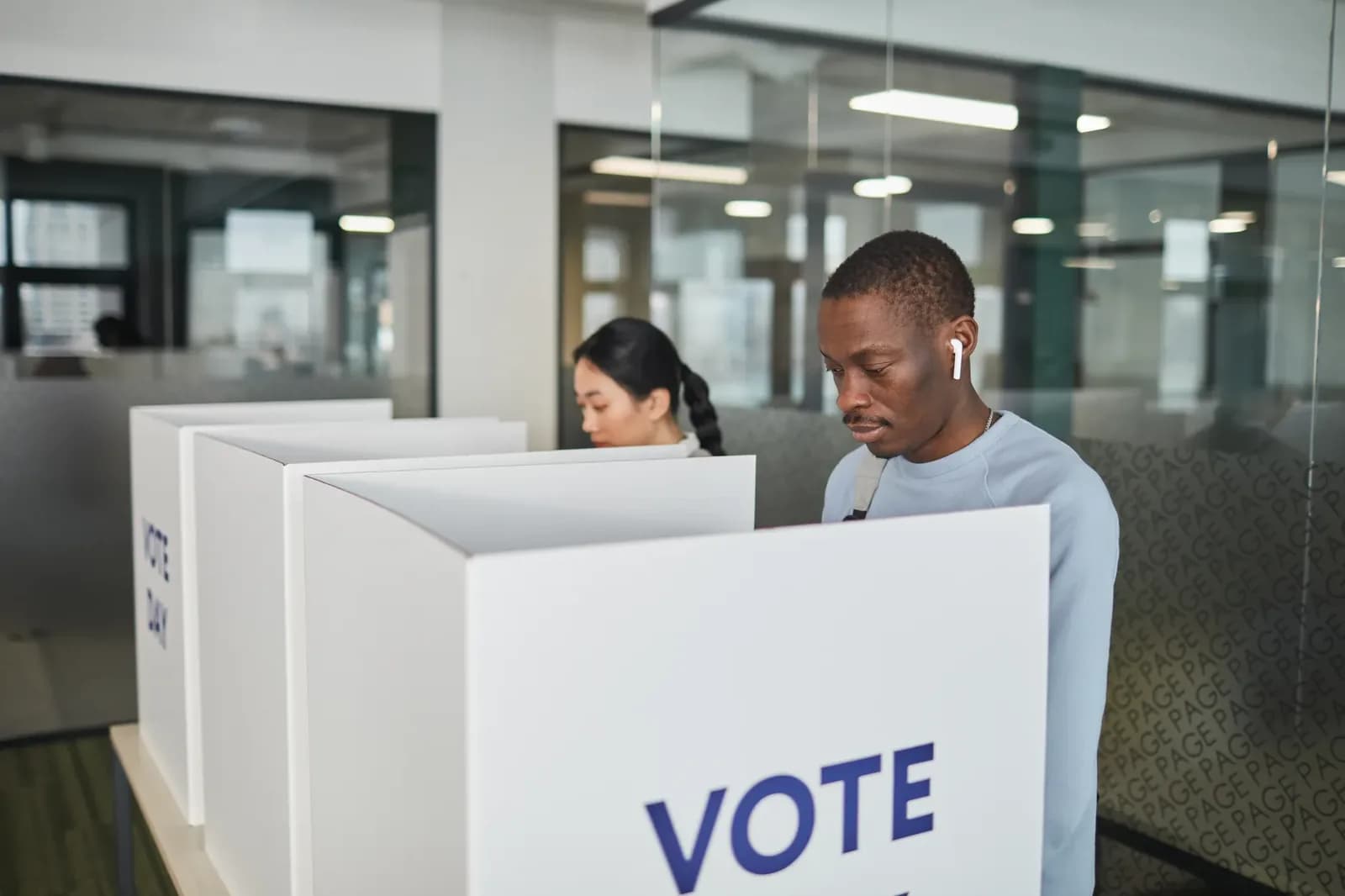
For the second time in October, Brazil goes to the polls this Sunday. More than 158 million citizens will decide whether Flávio Bolsonaro, who finished first in the regular election held last Sunday, the 4th, replaces Luiz Inácio Lula da Silva as president, or whether Lula secures another term. The race looks gripping, with the two candidates practically level in the surveys after Flávio Bolsonaro won the first round by 47% to 45%, while spoiled ballots carried substantial weight and placed third among the 13 contenders.[S1][S2][S3][S4][S5][S6][S7][S8]
Augusto Cury came third, Renan Santos fourth and Ronaldo Caiao fifth; together they took close to 9% of the vote. That first-round pool, along with blank and spoiled ballots and voters who stayed home, could supply the margin that tips the final contest toward one candidate or the other. Brazil is an agricultural giant rich in natural resources, holding rare earths, vast water resources and enormous oil reserves, and the first-round figures of 47% for Bolsonaro and 45% for Lula came with a strong share of spoiled votes.[S1]
Favelas, faith and the regional map
More than 2.1 million people live in the favelas of Rio de Janeiro state, and those residents are an electorate many candidates court. Religious voting also carries weight, an area where Bolsonaro holds an advantage. Lula is one of the few leftist leaders remaining in South America, while Flávio Bolsonaro belongs to the region's rising right, aligned with the current governments of Argentina, Bolivia, Chile, Colombia, Ecuador and Peru, all of them sympathetic to United States president Donald Trump.[S1]
Foreign policy played little part in the campaign before the first October election, even though this vote will decide whether Brazil moves closer to Trump's United States. The American president never hid his preference for Bolsonaro, though in a softer tone than that used by Argentine president Javier Milei. Washington seeks economic and military hegemony in South America through the Shield of the Americas initiative, focused on fighting organized crime. In July the Republican imposed sanctions on a judge who found Bolsonaro guilty of an attempted coup and sentenced him to 27 years in prison; Washington lifted them only after negotiating with Lula.[S1]
Bolsonaro's pardon plan and Lula's multilateralism
Flávio, the eldest son of former president Jair Bolsonaro, promised to pardon his father on the day of his inauguration, 5 January 2027, if he is elected. The share his party won in both chambers of Congress appeared as a tailwind that would leave his purpose without obstacles. Flávio Bolsonaro's Liberal Party, winner of the first round, took 28 of the Senate's 81 seats and 121 of the 513 in the Chamber of Deputies. In the Senate, nine current Liberal Party senators hold mandates until 2030, and in the Chamber the party will add 24 representatives compared with those elected in 2022, according to the vote counts.[S1]
Lula defends multilateralism and wants Brazil to talk and trade with everyone; China, a rival of the United States on several fronts, was for a long time the South American giant's most important commercial partner. Observers sense that Bolsonaro, 45, would be more willing to yield to Trump, and recall that Jair Bolsonaro already made significant concessions during his term between 2019 and 2023. Brazil, for instance, gave up its developing-country status in World Trade Organization negotiations in exchange for a simple promise that the United States would back its bid to join the Organization for Economic Cooperation and Development. Trump also said he was considering granting Brazil NATO privileges, but none of those promises materialized.[S1]
Indigenous, religious and overseas ballots
For this Sunday's election, Brazil's electoral justice focused especially on guaranteeing the so-called indigenous vote, and abroad the number of ballots arriving from Argentina carries weight, where a sizable community will once again express its will at the polls. The candidates debated twice before the definitive election, and in that setting Bolsonaro raised an accusing finger while Lula showed his rhetorical skills remain intact despite his advanced age. In the final stretch both campaign teams maneuvered with attempts to annul the opponent's candidacy, without results announced by the courts.[S1]