The attack on Dnipro's platform
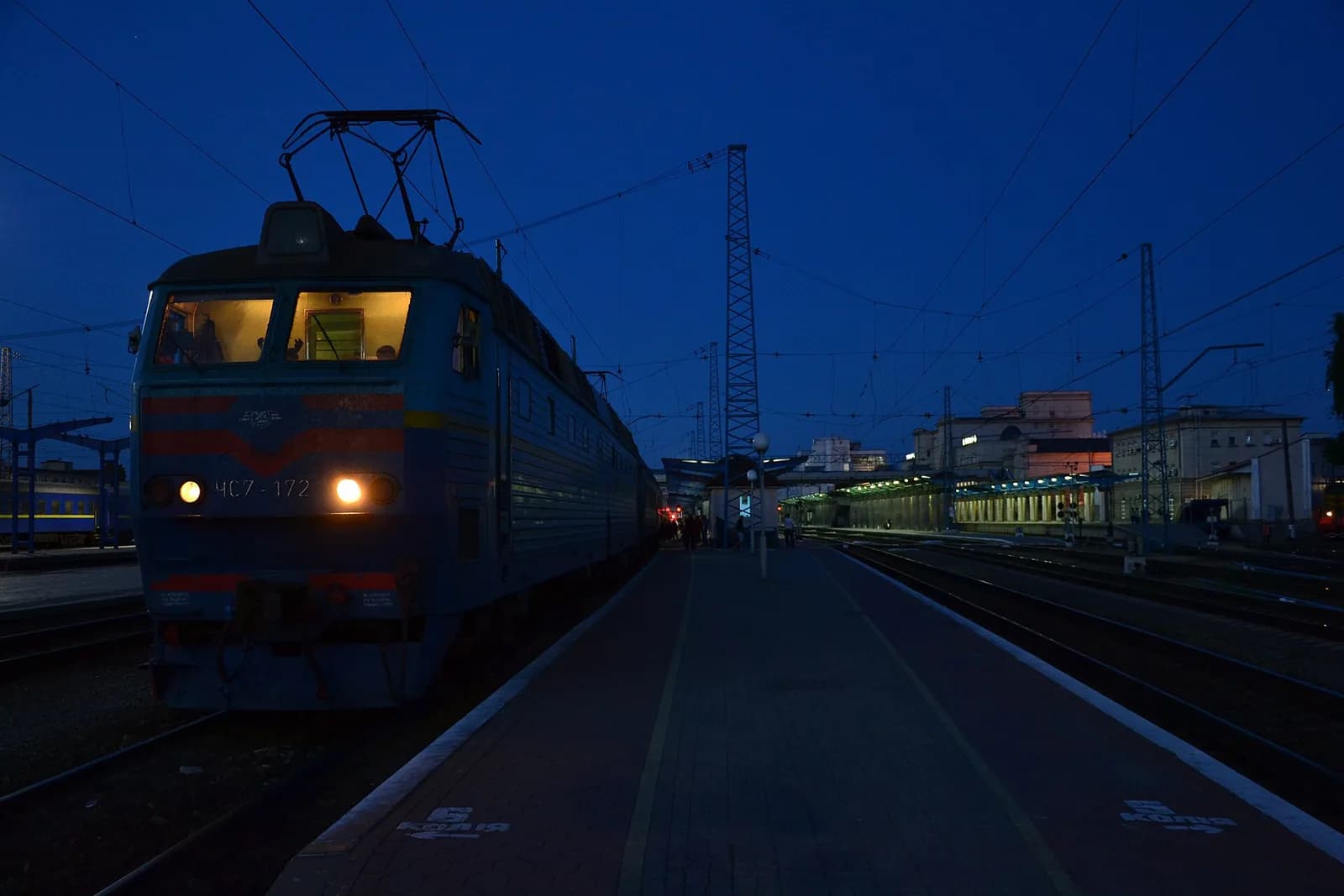
A Russian jet-powered drone struck a platform at the railway station in Dnipro on the morning of Thursday, Oct. 29, according to Ukrainian authorities. The drone hit the spot where train No. 866, bound for Zaporizhzhia roughly two hours to the south, had stopped and where people were waiting to board. At least 13 people were killed, and reports on the number of wounded varied between five and at least 13.[S1][S2][S3]
Oleksandr Hanzha, who heads the Dnipropetrovsk regional military administration, reported the strike, and Dnipro Mayor Borys Filatov confirmed it, describing the incident as a tragedy. Ukraine's Air Force said four jet-powered drones attacked the area around 11:00 a.m.; air defenses downed three before they reached their targets, while the fourth got through. By 11:29 a.m., Hanzha said medics were at the scene giving first aid.[S1][S2][S3]
Ukrainian Railways, the state operator, said the train was preparing to depart when the drone hit. The company noted that passengers had stayed on the platform even though an air raid alert had been issued and warnings of a heightened threat were in place. Images shared on social media showed bodies lying across the platform with police officers kneeling beside them.[S2][S3]
Zelensky presses allies on sanctions
President Volodymyr Zelensky described the strike as horrific and pressed Kyiv's partners to act. He said sanctions on Moscow and its war machine should not be relaxed for as long as the war continues, and he asked how many comparable attacks Russia had carried out since restrictions were eased on some Russian oligarchs and energy companies rather than de-escalation being pursued.[S2][S3]
The remarks appeared to reference a deal reached this month between US President Donald Trump and Russian President Vladimir Putin that eased some sanctions on Russia and released Russian diesel stocks onto global markets. French President Emmanuel Macron voiced deep concern that Moscow keeps choosing escalation by targeting civilians, and argued that efforts should aim well beyond a localized truce such as the one recently negotiated for Oleshky. He called Russia's rejection of all proposals to that end intolerable and urged partners to work harder for a just and lasting peace that brings Moscow to the negotiating table.[S3]
A widening pattern of daytime strikes
Since the full-scale invasion started in February 2022, Russia has waged a sustained campaign against Ukraine's rail network, wrecking hundreds of locomotives and killing both rail staff and passengers. The Dnipro strike is the newest episode in that campaign. As drone assaults have grown more frequent, Ukrainian trains this year started carrying out large-scale passenger evacuations, frequently while already en route. Ukrainian Railways told AFP that strike warnings forced more than 5,800 trains to be evacuated in September alone, chiefly in front-line areas of the south and east, including Odesa, Dnipro and Zaporizhzhia.[S2][S3]
Under the procedure, a train halts when a possible strike is detected and passengers must leave the carriages and wait at a safe distance until the danger passes. The rules also apply to trains standing at stations, but crowds gathering to await departure and the reluctance of some travelers to seek shelter can create fresh safety risks. With commercial air travel in Ukraine shut down by the war, the railways carry a burden that has no substitute.[S2][S3]
On the same day, Russian forces hit central Chernihiv in northern Ukraine at about midday using Banderol cruise missiles, according to regional governor Viacheslav Chaus, who said two 15-year-old girls were killed. City administration head Dmytro Bryzhynskyi reported at least 23 more people wounded, four of them children. Local authorities in Kremenchuk, in Poltava Oblast, said Russian drones struck an apartment block in a residential district, leaving at least three dead and 15 injured.[S2]