What happened near Urda
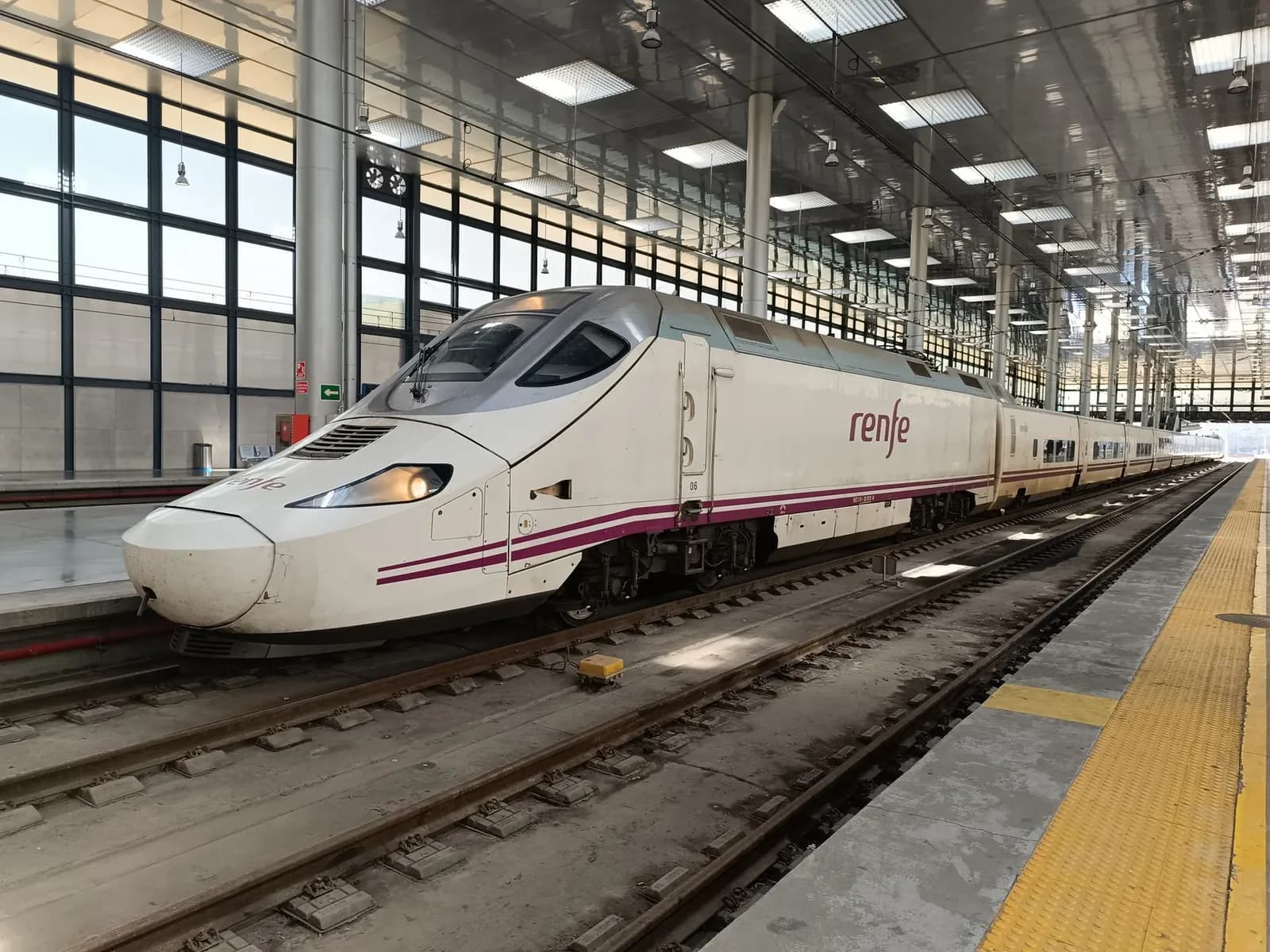
Two high-speed trains serving the Madrid-Sevilla route collided near the town of Urda, roughly 140 kilometres south of Madrid, at about 8:54 a.m. local time on Wednesday. A Renfe train that had left the capital bound for Sevilla ran into the back of an Iryo train covering the same route that was standing still on the track. At least 68 people lost their lives and dozens more were hurt, according to the reporting available.[S1][S2]
The force of the collision pushed several carriages down the embankment beside the line. Passengers quoted by local media described the scene as chaotic, with smoke spreading through the cars and people climbing out of the wreckage. One carriage in particular absorbed the worst of the damage and accounted for a large share of the casualties.[S1]
Survivors describe the moment of impact
Rafael Barceló was in the cafeteria car of one of the trains when the crash came. He told Reuters that he and a friend had been eating breakfast and drinking coffee, and that being away from their seats in carriage seven, which he said was the most damaged and the deadliest, may have spared them the worst of it. He said he had counted at least eight victims inside that car.[S1]
Salvador Arriza, 62, told the agency that sitting facing away from the direction of travel kept him from being flung forward like other passengers. He was in carriage two of the Renfe train, at the rear of the formation and therefore the least affected part, yet he described the interior as wrecked, with seats torn loose. He said most of those seated facing the direction of travel were thrown from their places and that the blow pushed him back into his seat.[S1]
The Spanish journalist Roberto Gómez was dozing on the Renfe train when it stopped and passengers were told there was congestion on the tracks. The train started moving again and then the collision occurred. Speaking to Onda Cero, he described the impact as terrible and said the carriage was completely wrecked, with luggage scattered throughout the damaged car.[S1]
Sebastián Herrero, from Sevilla, was travelling on the Iryo train. He told El Mundo that he felt a terrible impact and was thrown forward into the seats ahead. After he fell, he said, many people around him had broken noses and broken arms, and smoke began appearing everywhere.[S1]
The response in Urda and mounting anger
Isabel Núñez, a councillor in the nearby town of Urda, spent the morning at the pavilion set up to receive the injured. She told BBC Mundo that by then no one remained there: the less seriously hurt, with cuts or bruises, had been taken by bus to their places of origin or collected by relatives. In another pavilion, she said, families of people still missing were waiting for news, accompanied by psychologists and specialist staff, and the list of the dead would be released later.[S1]
Núñez said the two local police officers from Urda were among the first to reach the crash site. She described a man arriving on a motorbike, completely disoriented and desperate as he searched for his wife, who had been on the train. She also told of a man with a head wound who had stepped out of his carriage to stretch his legs and so survived; his carriage was the one that caught fire and where most of the victims were. She said people were dazed, many unsure which carriage they had been in, and visibly in shock.[S1]
Residents of nearby villages brought water and used their own cars to carry survivors to Urda before police, ambulances and the Guardia Civil arrived. Some passengers also voiced anger at the authorities, asking how such a thing could happen at this level of technology and why, after the train had been standing for five or ten minutes, no warning reached the other train to stop.[S1]