What Estonia intends to build and where
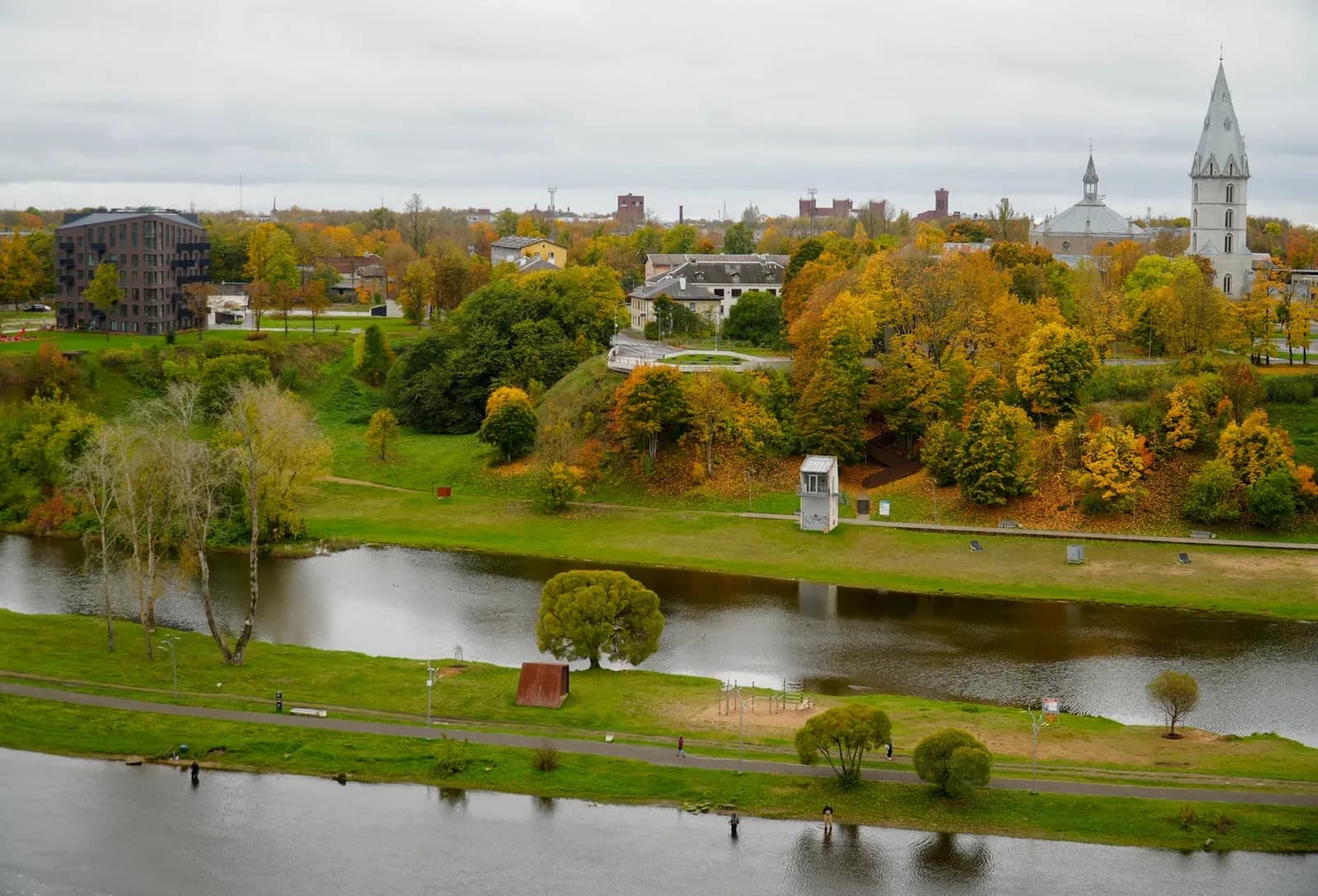
Estonia is preparing to place approximately 150 bunkers along its border with Russia, Defense Minister Martin Herem informed journalists on Oct. 28. The structures are to be concentrated in the Ida-Virumaa region, the area that meets Russian territory. According to Herem, speaking to the Estonian outlet ERR, roughly 100 of the bunkers would sit on state-owned land while about 50 would be located on private or municipal property. The minister did not offer detailed explanations of how the bunkers would be employed.[S1][S2][S3][S4][S5][S6][S7][S8]
A region hardening against hybrid pressure
The announcement fits a pattern of sustained Russian pressure on NATO's eastern edge. Alliance officials have flagged drone incursions, violations of airspace, sabotage and other hybrid operations, and nearby countries have responded by upgrading air defenses. Since Moscow's full-scale invasion of Ukraine, NATO has sent more troops to the eastern flank and worked up a rapid-response plan. In recent years the Baltic states have stressed strategic readiness, promoting civilian preparedness and raising defense budgets.[S1]
Estonia's own military signaled a similar direction earlier in October, saying the 1st Brigade would relocate permanently to a newly enlarged base under 50 kilometers, or 31 miles, from the Russian border so it could respond better to a possible Russian attack. Estonian defense spending stands at 5.4% of GDP, above NATO's 5% requirement. Neighboring Latvia reported on Oct. 26 that the NATO brigade based there had begun its largest force deployment drills to date, and Lithuanian Interior Minister Martynas Katelynas called on Oct. 7 for troops to be posted along his country's border with the Russian exclave of Kaliningrad, describing it as a preventive step.[S1]
Physical barriers are advancing as well. Latvia has recently completed a new 280-kilometer fence along its Russian frontier, and Finland finished a 200-kilometer fence on its Russian border in September.[S1]