Alliance bolsters surveillance over a key shipping route
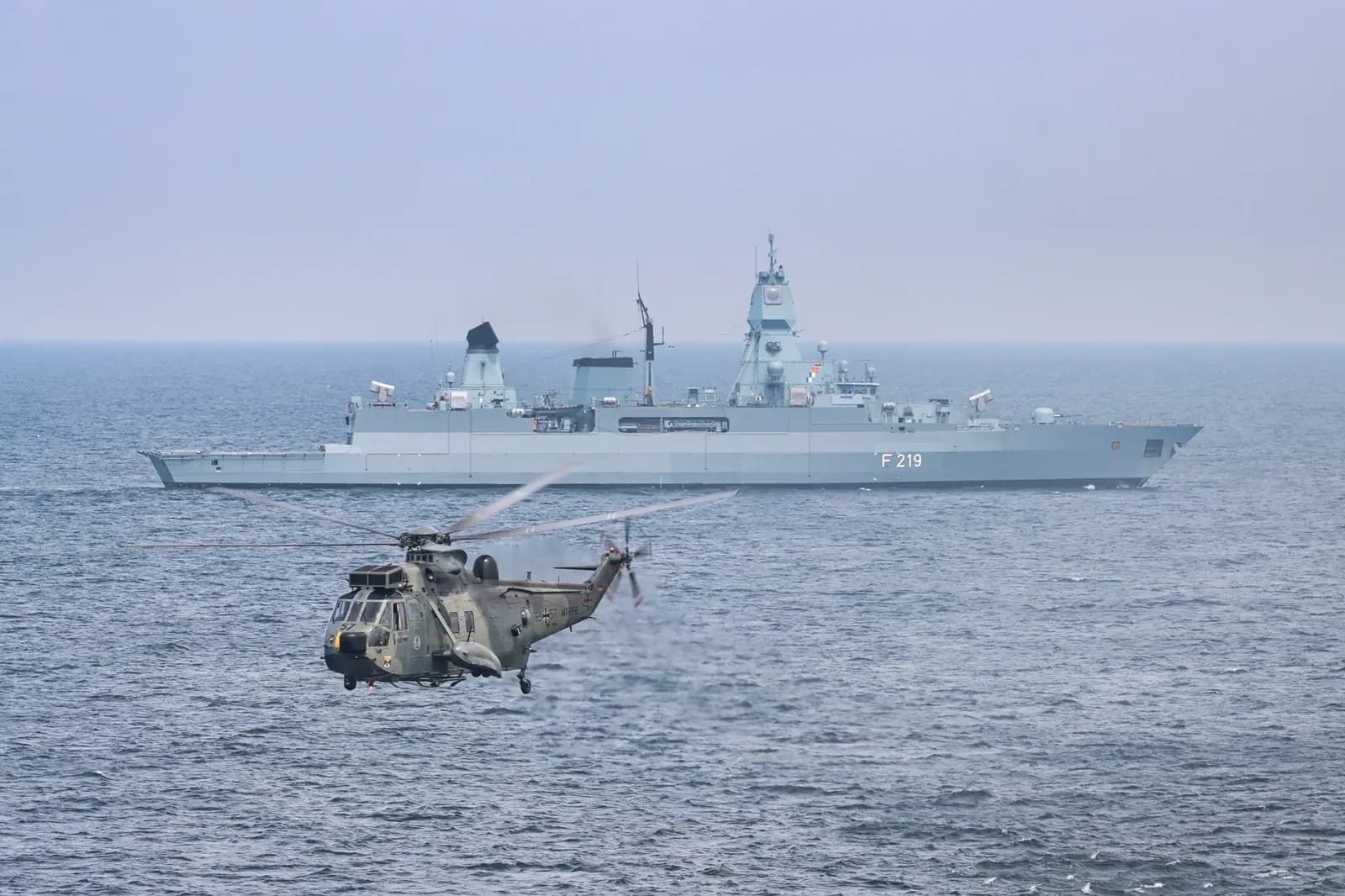
On Tuesday, NATO said it would deploy additional maritime patrol planes, radar equipment and drones to the Black Sea. The decision followed a string of deadly drone strikes on ships in the area that appear tied to Russia's conflict with Ukraine. The alliance's main decision-making body, the North Atlantic Council, reviewed Black Sea security at NATO headquarters in Brussels before the announcement was made.[S1][S2][S3][S4][S5][S6][S7][S8]
Beyond the airborne and radar assets, member states have already sent or are preparing to send intelligence personnel and teams tasked with forensic examination of explosives, according to U.S. Army Colonel Martin L. O'Donnell, a NATO military spokesperson. The package thus combines surveillance coverage with technical investigation of the devices used in the attacks.[S1]
Casualties mount across Romanian and Bulgarian waters
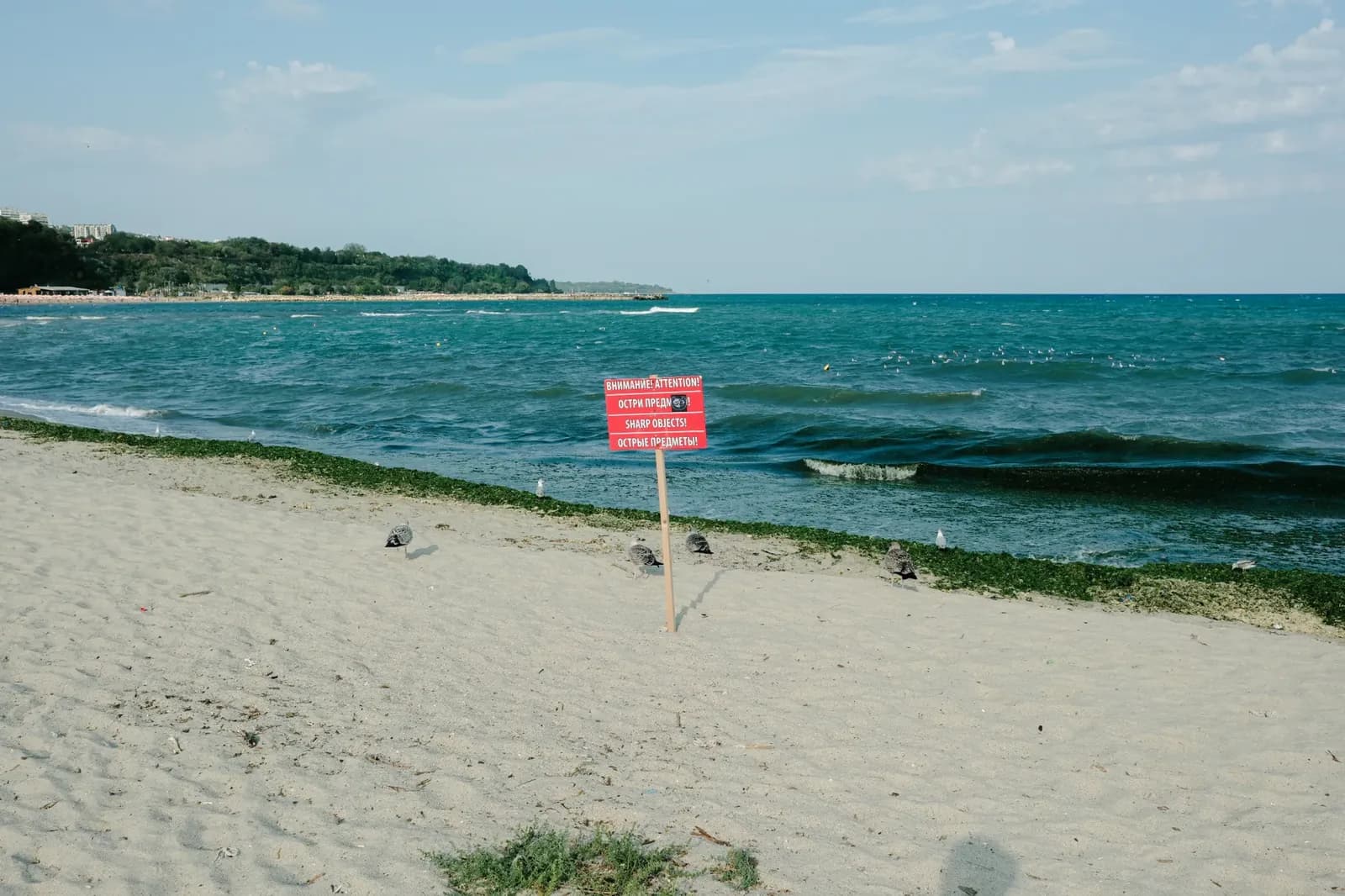
The alliance has not assigned blame for the recent wave of attacks. Military analysts have described Russia as almost certainly responsible, though Moscow has not accepted responsibility. Last week, seven sailors were reported missing after drones set two chemical tankers ablaze near Romania's Black Sea coast, heightening security worries along a shipping corridor that Ukraine depends on.[S1]
Over the preceding ten days, at least five additional cargo vessels were struck near the coasts of Romania and neighbouring Bulgaria, a NATO member, with at least 23 sailors reported missing or dead across the incidents. The toll has turned a commercial waterway into a zone of active military risk.[S1]
Alliance signals readiness to confront threats
Allison Hart, NATO's principal spokesperson, said in a post on X that the alliance had already reinforced its eastern flank, including with capabilities designed to counter drones. She added that members would remain united and prepared to respond to any threat and to protect the alliance's one billion people.[S1]