A defensive mission over Saudi skies
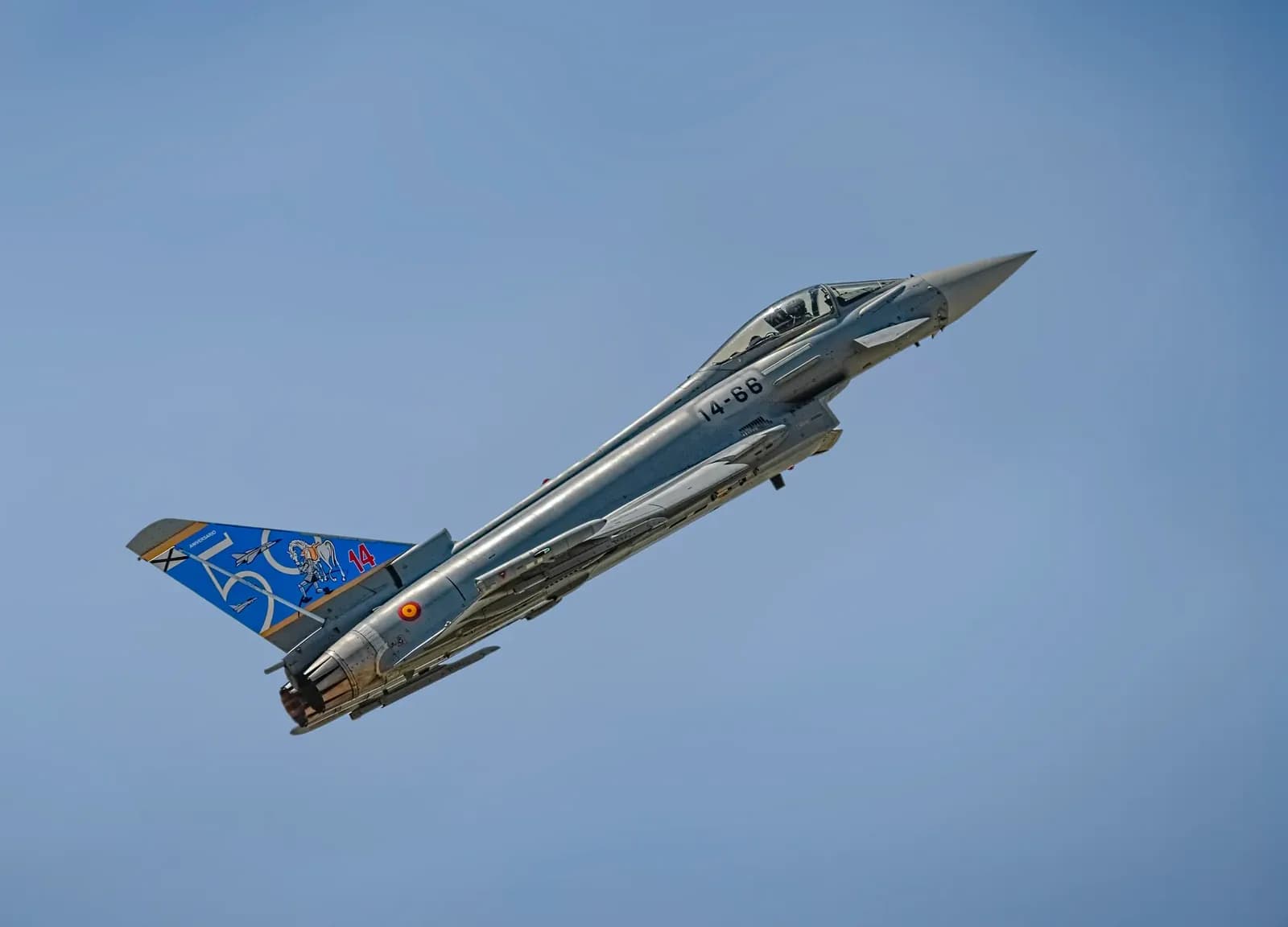
Britain will send RAF Typhoon fighters to protect Saudi Arabia from Houthi missile and drone attacks, flying defensive sorties above Saudi cities and key infrastructure. The operation, approved by Prime Minister Andy Burnham, is the most consequential military mission he has signed off, and it deepens western involvement in a conflict that has been building for months. The Ministry of Defence did not disclose how many aircraft would take part.[S1][S2]
London stressed that the fighters' role is narrow. According to the Ministry of Defence, the aircraft will operate defensively and will not carry out offensive strikes against the Houthis. The package also includes military advisers and an Atlas A400M transport aircraft able to move heavy equipment, alongside existing support: defence equipment for countering aerial attacks and air-to-air refuelling for Saudi jets provided by an RAF Voyager, now extended by 90 days.[S1][S2]
Airport deaths and a widening war
A Houthi offensive that started in Yemen in September has steadily widened into a lethal conflict spanning the region, with the Iran-backed group targeting Saudi Arabia, which supports Yemen's internationally recognised government. This month a missile struck King Khalid international airport in Riyadh, killing 13 people — the worst single loss of life in a war that has claimed 19 lives inside Saudi Arabia. According to the Houthis, two attacks on that same airport on 10 and 11 October left 14 dead and over 300 wounded.[S1][S2]
The Houthis have framed their strikes as payback for attacks on areas they hold in western Yemen, the capital Sanaa among them. Earlier this month, Brig Gen Yahya Saree, a Houthi military spokesman, vowed to continue what he described as intensifying operations far inside Saudi Arabia. The group is fighting a civil war against Yemen's internationally recognised government, which Riyadh backs.[S2]
Alliance, timing and the cost-of-living argument
Britain has long been a military partner of Saudi Arabia. BAE Systems supplied 72 Typhoons under a deal originally valued at £4.4bn, and Riyadh has weighed buying another 48 in negotiations that have run for years. The announcement came days after Defence Secretary Wes Streeting met his US counterpart, Pete Hegseth, at the Pentagon to discuss how to answer the Houthi escalation.[S1]
Some worry that London could be seen as closely tied to the unpopular US war on Iran. Part of the case for intervening rested on Middle East instability pushing up energy prices and affecting the cost of living. Streeting pointed to violence in the Gulf disrupting energy supplies and raising costs for families and businesses. Britain's earlier role in the wider confrontation was limited: Typhoons based at Akrotiri in Cyprus and in Qatar flew defensive missions in spring and summer, downing missiles and drones fired by Iran and other proxies at Gulf states.[S1][S2]