A decisive margin against separation
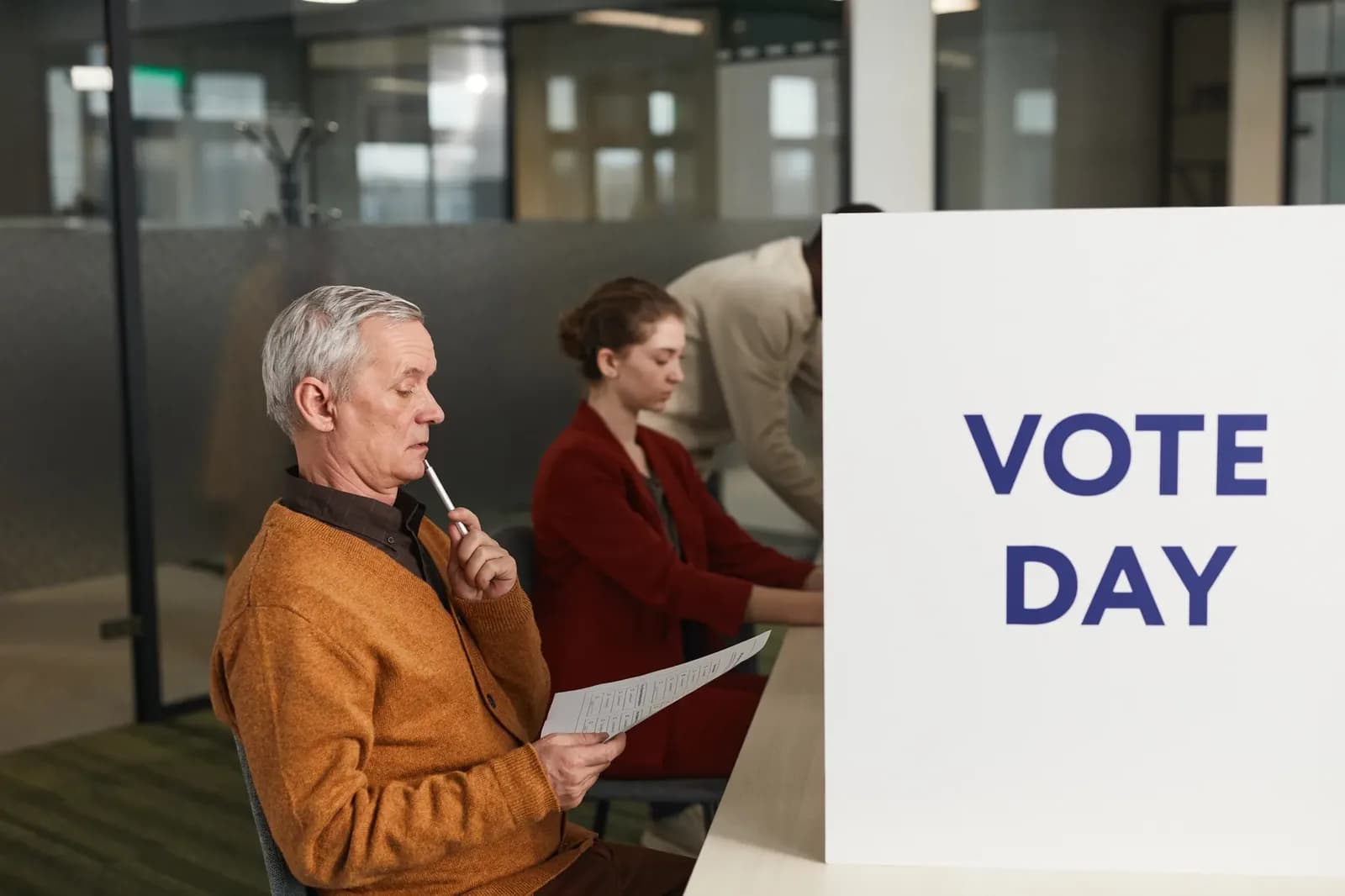
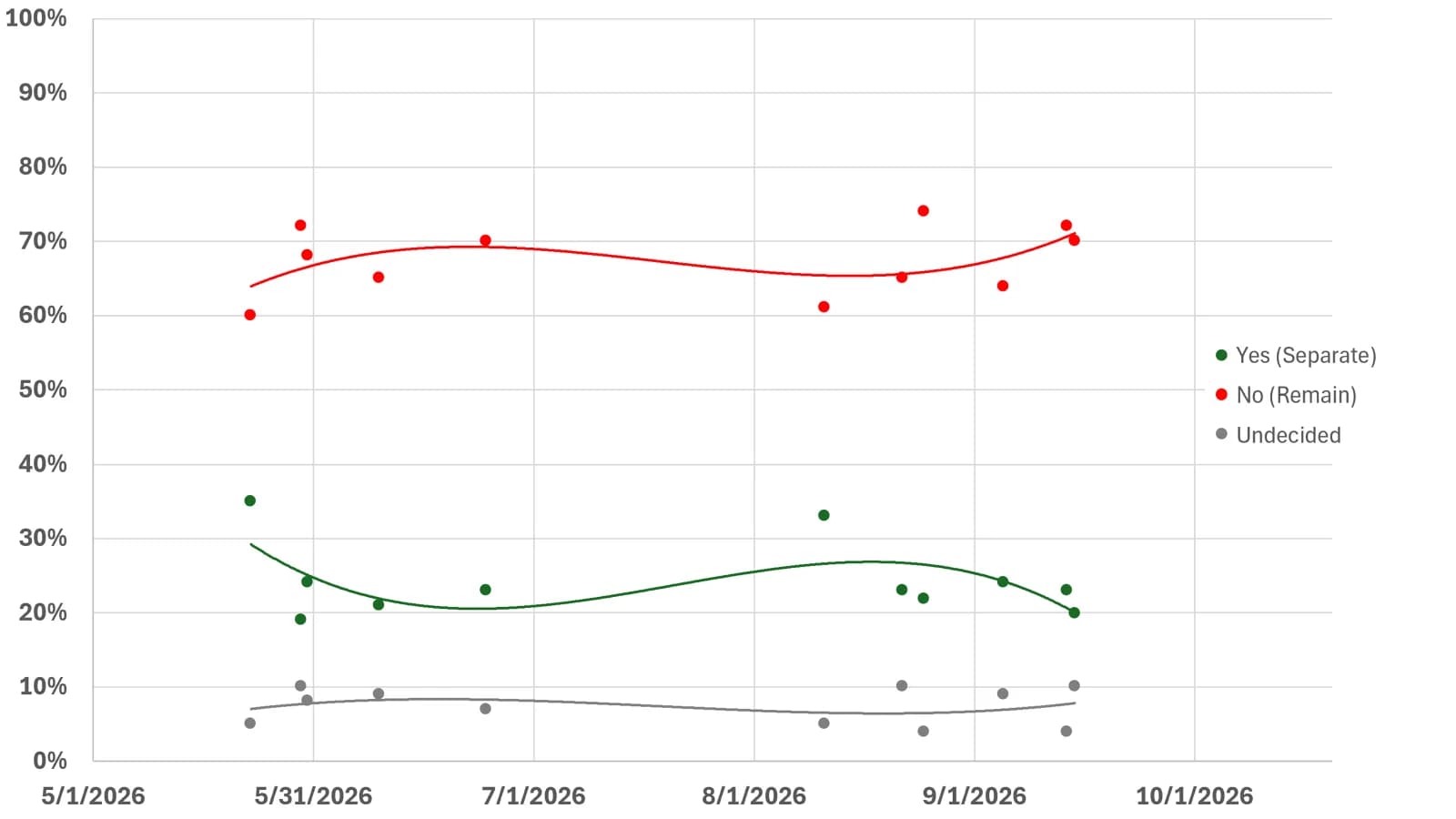
Preliminary counts from Monday's vote indicate that more than two-thirds of Albertans chose to keep the province inside Canada, with roughly 76% of over a million participants supporting unity and about 23% favouring the start of a legal route toward a second, binding independence vote. The question itself was non-binding, yet the scale of the rejection was unmistakable. Some results arrived later than expected because more than 100 polling stations extended their hours after opening behind schedule.[S1][S2]
For the organisers of the separation campaign, the outcome matched what polling had long suggested but still stung after more than a year of effort. Mitch Sylvestre, who leads the separatist movement, responded to a BBC question about his reaction with a two-word answer conveying displeasure. Jeffrey Rath, a Calgary lawyer and prominent spokesperson for the cause, said he and his allies intend to work even harder going forward.[S1]
Carney claims a win as Smith faces questions
Prime Minister Mark Carney greeted the result almost at once, issuing a statement in which he described Albertans as having made a clear choice. He also pointed to his goal of developing Canada's capacity as a global energy power, with Alberta central to that plan, and he has cooperated with the province on a proposed new pipeline running to the Pacific coast. Carney, who grew up in Alberta, had urged residents before the vote to cast ballots as though the country's future depended on it.[S1][S2]
Premier Danielle Smith, who backed the unity side and campaigned for it, thanked voters. She has drawn criticism for what some call a risky wager: lowering the signature threshold that let the citizen-initiated campaign reach the ballot, and making the result non-binding so as to sidestep a court ruling that had blocked the pro-separation petition over the absence of consultation with First Nations whose territory would be affected by a split. Whether that bet damages her hold on the United Conservative Party, which she has led since 2022, is now an open question; Rath asserted that she has forfeited the confidence of the party's base.[S1]
Smith had told CBC earlier in the week that she would not call an independence referendum while serving as premier if Albertans voted the idea down. She also placed nine further questions before voters on Monday, most of them aimed at gaining greater provincial autonomy from Ottawa on matters such as immigration, and early indications suggest several may be approved. Some who supported a future binding separation vote said their aim was leverage over the federal government rather than outright statehood, a purpose Smith has said the additional questions serve.[S1]
Grievances that outlast the ballot
Supporters of unity described their motivation as a wish to hold the country together, particularly while Canada confronts tariff threats from its long-standing ally the United States, and some worried that a separate Alberta could be exposed to foreign pressure or even annexation. Thomas Lukaszuk, a former deputy premier who led the Forever Canadian campaign, told a gathering in Edmonton that the early numbers made him proud, acknowledged that some separatist complaints are valid, and argued the province must now work to mend the divisions the debate exposed. He added that he hoped never to see another referendum of this kind.[S1][S2]
The separatist current traces back to western alienation, a phrase used for decades to capture the sense among some in Canada's western provinces that central Canada and the federal government overlook them. Many independence backers, and plenty of unity supporters too, believe Ottawa has long worked against the province's oil and gas sector, most recently through environmental policy, and frustration deepened over the pandemic response and vaccine mandates of former prime minister Justin Trudeau. Alberta holds the world's fourth-largest proven oil reserves, and its political culture is often compared to that of the American West.[S1][S2]
Voters interviewed during the campaign illustrated the split. Dustin Degenhardt of Wainwright said Ottawa has treated Alberta like a colony that is drained without anything returned, while Taylor MacIsaac, also of Wainwright, backed separation as a conservative raised in rural Alberta. Dave Malka, 59, of Edmonton objected to money spent on what he called a referendum about a referendum instead of health care, and Jake Graham, 35, of Calgary, wearing maple-leaf trousers and a Canada hockey jacket at a Carney rally, said he hoped the outcome would quiet the grumbling for a long while.[S2]
Separatist leaders insist the subject will keep shaping Alberta politics. Keith Wilson told supporters in Calgary that although balloting has ended, discussion of the province's future, place and role within Canada will carry on. Rath looked to Quebec, which rejected sovereignty in 1980 and 1995 by narrow margins yet is now governed by a party that has promised a third independence referendum by 2030, and noted that the Parti Québécois took power with 28% of the vote. He suggested Alberta separatists could eventually achieve something similar.[S1]