Fire at a Bahrain industrial site
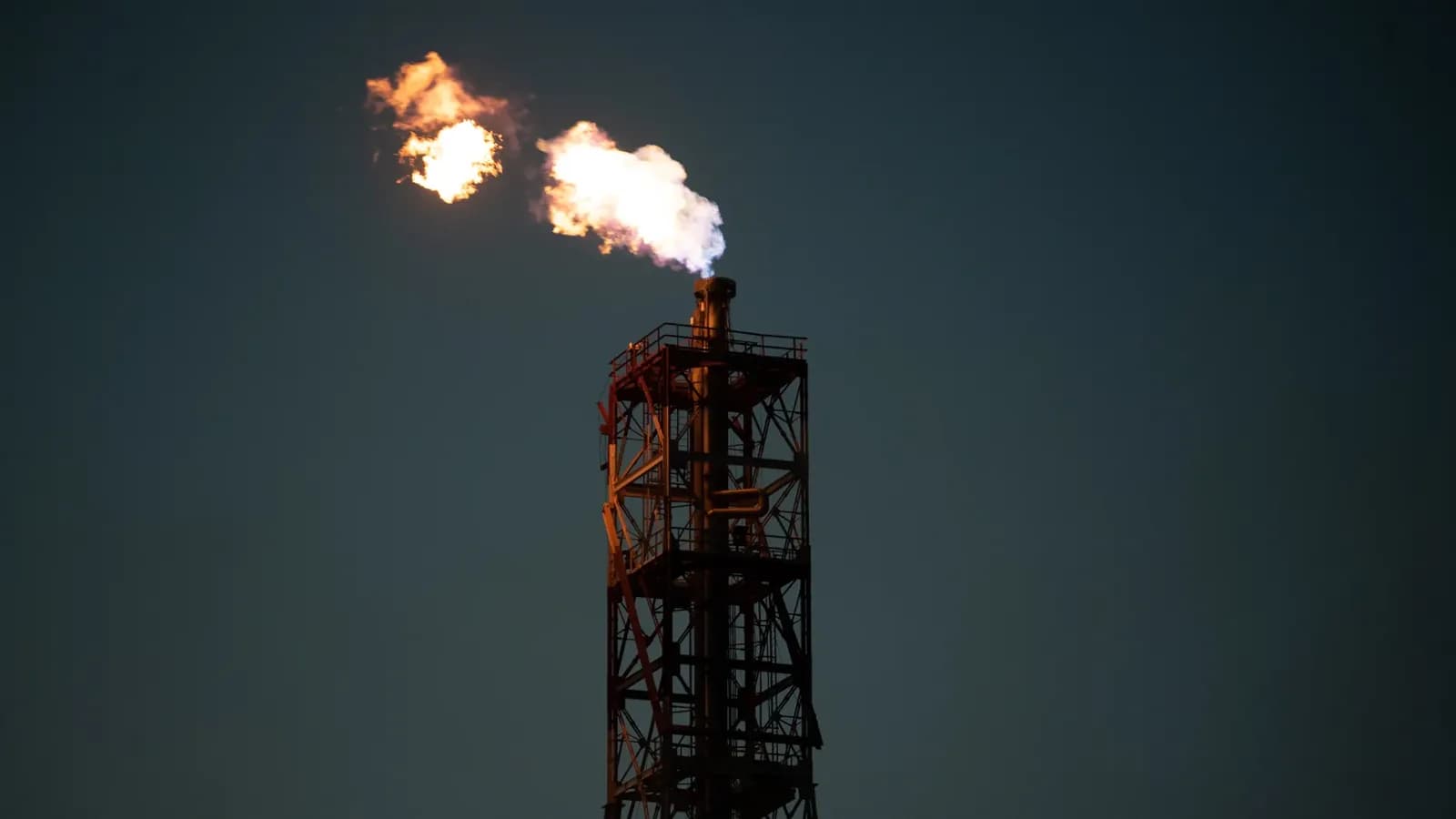
Bahrain's interior ministry said an Iranian attack targeted a civilian industrial facility, starting a fire that Civil Defence crews were working to extinguish. The ministry announced this on X but did not say where the site was located. People living nearby told AFP they could see smoke above Sitra Island, which lies off Bahrain's east coast and hosts industrial operations, among them a refinery operated by the state oil company Bapco.[S1][S2][S3][S4][S5]
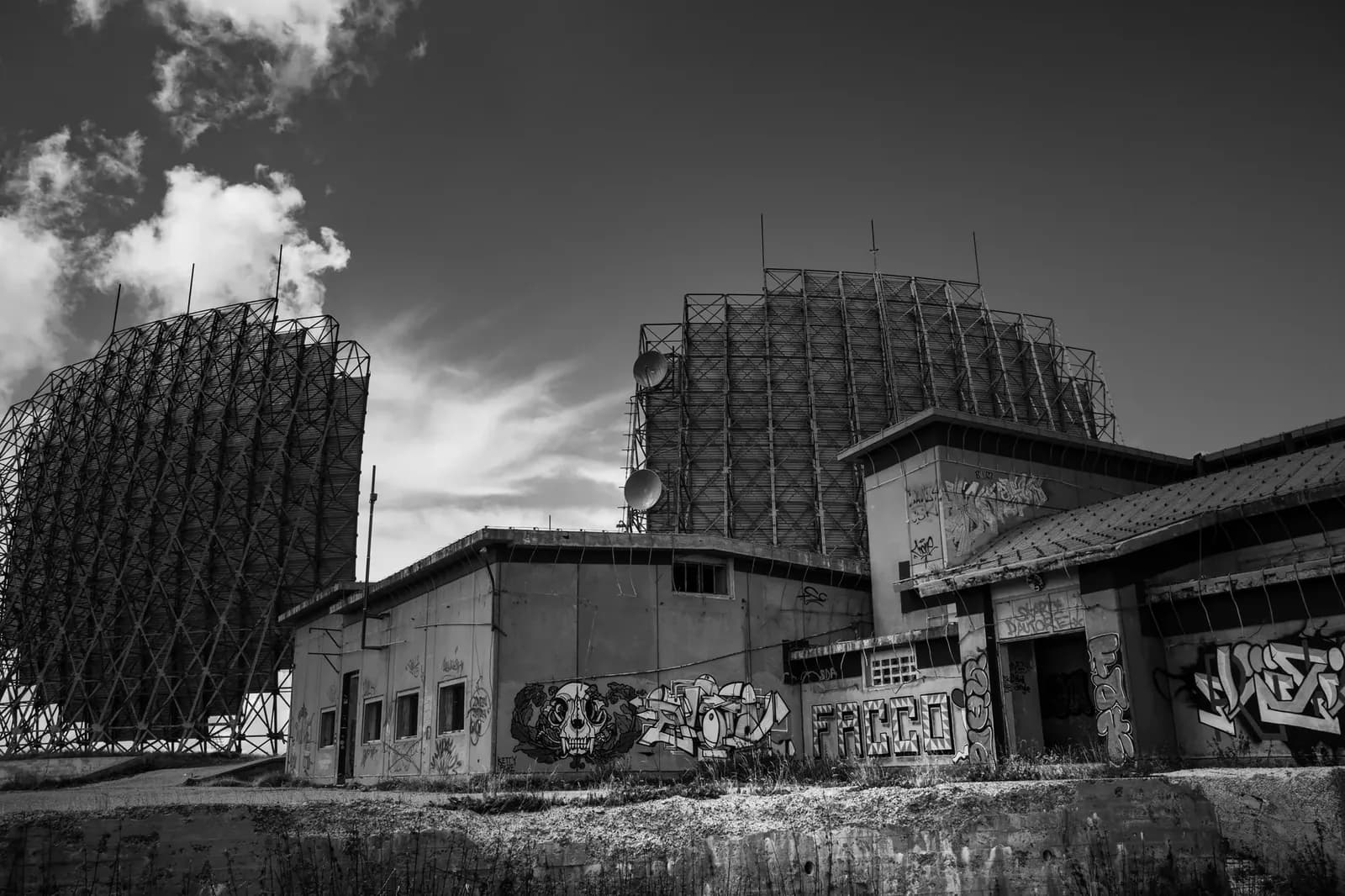
Iran's Fars news agency, citing the Revolutionary Guards, reported that two US bases on Bahraini territory, Sheikh Isa and Juffair, had been attacked. The Guards described the strikes as retaliation for what they called unlawful American actions. Separate headlines from other outlets reported Iran's claim of hitting US Patriot radars in Bahrain while Manama described the target as a civilian industrial site.[S1][S5][S8]
Tankers struck in the Strait of Hormuz
Britain's maritime agency UKMTO said one tanker was hit by an unidentified projectile as it passed through Hormuz, with no casualties reported so far, and that a second vessel was struck in its engine room. Iran's army later said a ship caught fire after entering a restricted zone and striking a mine in the strait, asserting that the vessel had turned off its identification and navigation systems despite warnings and transit rules. Tehran has often blamed mines for recent ship fires, while the US military says it has removed all mines from the main routes.[S1][S6]
The waterway has become the center of a stalemated war. American forces escort vessels through the strait and keep their own counter-blockade on Iranian ports, while Iran keeps trying to shut the shipping lane. US Central Command, which runs American operations in the region, said last month it had helped Gulf states export 1.5 billion barrels of oil through Hormuz since the summer.[S1]
Diplomacy, red lines and power cuts
Iranian deputy foreign minister Kazem Gharibabadi said a Qatari delegation had visited Tehran the previous evening for two hours of talks, without giving details. Foreign Minister Abbas Araghchi said regional negotiations should be given a chance and the blockade lifted sensibly, adding that discussing the strait and its reopening is meaningless while Iran's demands go unmet. Those demands include stopping the war on all fronts, releasing frozen Iranian assets, removing oil sanctions and ending the US counter-blockade.[S1]
Gharibabadi also called the economic blockade an act of war and said Iran would take every step needed to end it, noting that mediators and the United States had been informed. In an interview with the state-run Iran Daily, Araghchi repeated that Tehran would not let its enriched uranium stockpiles leave the country, saying a solution is possible but that this is a clear red line. Western states suspect Iran of pursuing a bomb, which Tehran denies.[S1]
Iran's army said it downed a US drone over Qeshm Island, and a US military official said American jets had struck an Iranian missile site on Qeshm the previous Tuesday. President Masoud Pezeshkian said US and Israeli strikes on energy infrastructure had worsened energy problems and that a difficult winter should be expected. Mohammad Allahdad, who heads the national electricity company, told state TV that rolling power cuts would begin on Sunday because of fuel supply conditions.[S1]