A move from Georgetown to a military base
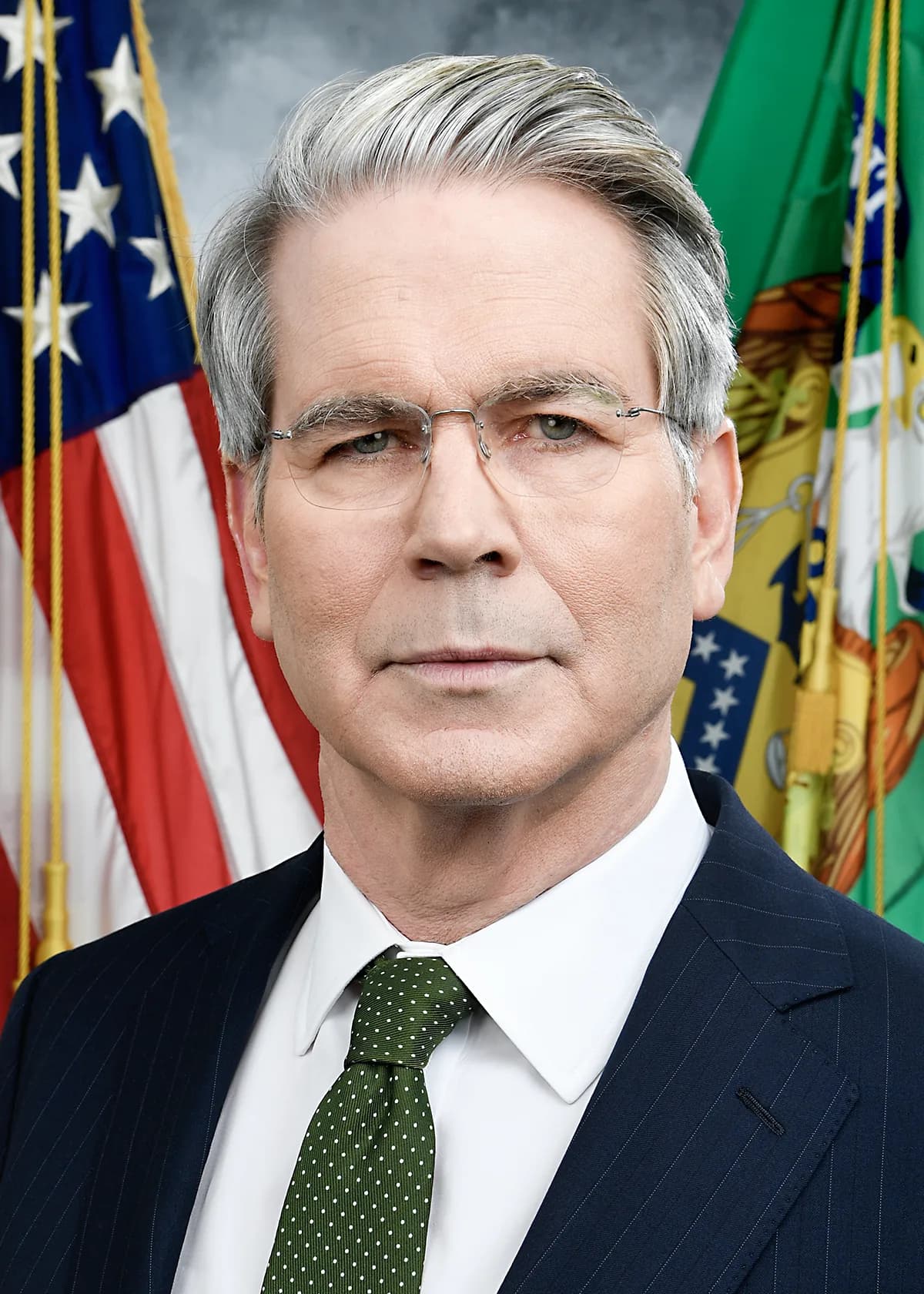
Scott Bessent, the US Treasury secretary, has shifted from his home in Washington, DC, to a US military base in recent days after threats against his life attributed to Iran, according to two people with knowledge of the situation who spoke on Tuesday. The New York Times was the first outlet to disclose the move.[S1][S2][S3][S4][S5][S6][S7][S8]
Late last month, a senior intelligence official in the Trump administration wrote in a memo seen by Reuters that Iranian plans targeting American citizens and US personnel had progressed to an advanced stage. How serious the specific threats to Bessent were was not immediately clear, the Times reported.[S1]
A person familiar with the situation said concern about Bessent's security grew after the Wall Street Journal published an aerial photograph of the Georgetown mansion he purchased for $12.5 million soon after the Senate confirmed him as Treasury secretary in January 2025. The image made it possible to pinpoint the property's location, and Bessent was moved to a military base for his protection, that person said.[S1]
Sanctions, blockade and the Strait of Hormuz
Since August, Bessent has directed the US sanctions and economic pressure drive known as Operation Economic Outcast, intended to press Tehran to halt attacks on shipping and to reopen the Strait of Hormuz. The waterway has been largely shut since the US and Israel struck Iran on February 28.[S1]
The pressure campaign runs alongside a US naval blockade of Iranian ports. It has included penalties on branches of Middle Eastern banks and on other financial firms that handle transactions connected to Iran.[S1]
A Treasury spokesperson said in an emailed statement that the secretary would not be deterred by threats from the Iranian government and would keep carrying out Operation Economic Outcast and the blockade, which the spokesperson said were together bringing down Iran's economy.[S1]
Iran has in the past rejected allegations that it planned attacks on officials or other people on American soil. US officials have observed that Tehran's capacity to mount large-scale operations in the United States and in other overseas territories is constrained, the Times reported.[S1]
A war that has killed leaders and displaced millions
The conflict has been costly. US-Israeli strikes on Iran and Israeli attacks on Lebanon have killed thousands of people and forced millions from their homes.[S1]
American and Israeli strikes have also killed senior Iranian figures, among them Ayatollah Ali Khamenei, the late supreme leader.[S1]