Competing accounts of the Bahrain strike
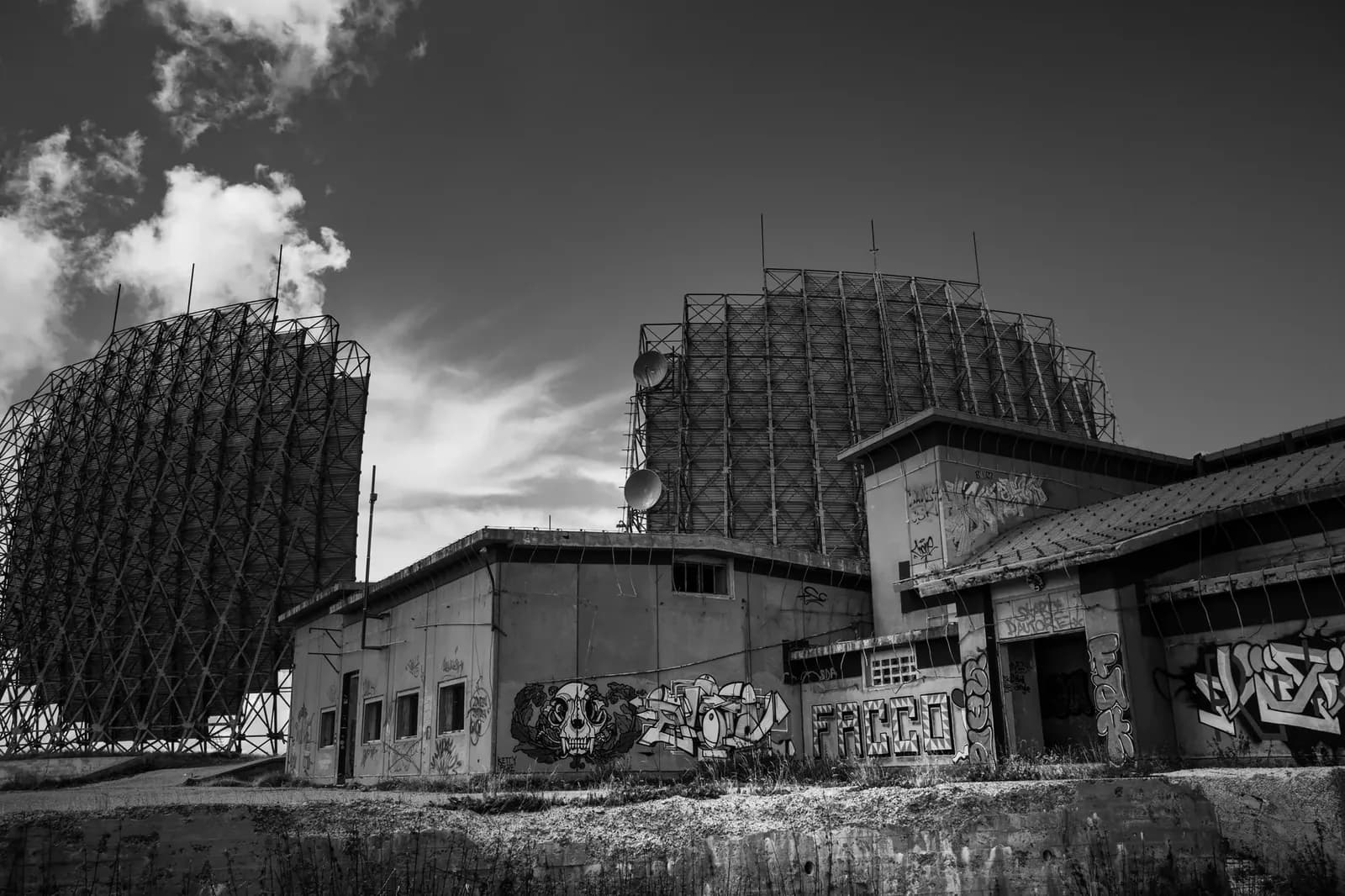
Iran's Islamic Revolutionary Guard Corps announced that it had hit and wrecked an American early-warning radar stationed in Bahrain, presenting the operation as payback for a US airstrike on a communications tower at Sirik, which looks out over the Strait of Hormuz. According to the Guard, this marked Tehran's first direct assault on US military facilities in a number of months. Outlets across the region carried the claim in their headlines, reporting that Iran said it struck the radar site.[S1][S2][S3][S4][S5][S6][S7][S8]
US Central Command rejected the account, stating that the radar had not been destroyed and that American forces had brought down two Iranian drones that were flying toward Bahrain. The two versions leave the physical outcome of the strike unresolved, with Tehran asserting a successful hit and Washington describing an intercepted attack.[S1]
A warning framed around Hormuz
The Guard cast the operation as a message to what it called the aggressor enemy, urging an end to its aerial activity and oil smuggling around the Strait of Hormuz. It added that, should violations and aggression recur, its aerospace force stands fully ready to confront the enemy without restraint. The wording ties the strike to the strategic waterway through which much of the region's oil moves.[S1]
Trump's shifting signals on war and talks
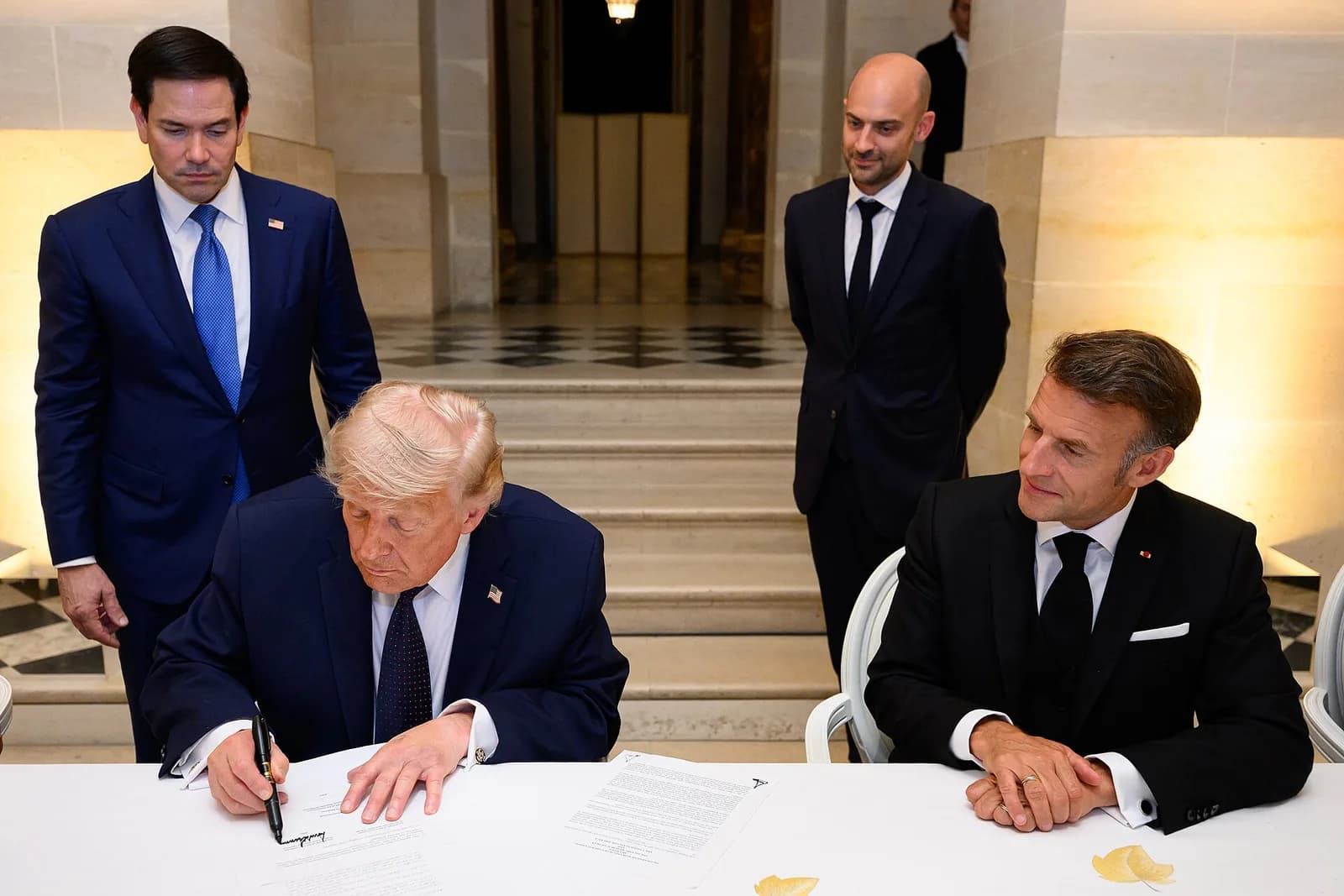
Over the previous day, Donald Trump said in a series of media interviews that he would strike Iran only if necessary, and he claimed that Gulf states including Saudi Arabia had asked him to refrain from planned large-scale military action. He also said he had directed Vice-President JD Vance to drop his interest in negotiating a fresh deal with Iran and to concentrate instead on corruption and fraud in cities and states governed by Democrats.[S1]
Iranian officials had regarded Vance as the most credible figure near Trump, yet they turned down his request for a face-to-face meeting with their negotiators to discuss terms for peace. Vance had been among the most vocal Republicans arguing that the war caused the party's broad midterm losses. Trump said he was disappointed in the American public, arguing that higher diesel prices were a modest cost for keeping Iran from obtaining a nuclear weapon.[S1]
British polling and a clerical call on nuclear doctrine
A YouGov survey conducted for the Council for Arab-British Understanding on Tuesday and Wednesday found that 65% of Britons would oppose a US return to war with Iran, while only 14% would support it. It also found 54% against allowing UK bases to be used for US attacks on Iran, with 29% in favor, and 45% backing further UK sanctions against Iran against 22% opposed. The polling preceded Thursday's conviction of two Iranians for spying and plotting attacks on journalists in the UK; the Iranian embassy dismissed the court ruling as an effort to serve a political agenda.[S1]
Chris Doyle, who directs Caabu, said the British public doubts any war on Iran and what it could accomplish, and he pointed to the 79% opposition among 2024 Labour voters as the figure most likely to draw the attention of the Burnham government. Separately, Iran's Assembly of Experts, the elected body of Islamic jurists that selects the supreme leader, became the first governing institution in the country to seek a review of its defence doctrine, a step that could open the way to religious sanction for pursuing a nuclear weapon. In a Thursday statement, the assembly urged a review of Iran's membership of the nuclear non-proliferation treaty, calling it an unavoidable necessity and a public and national demand.[S1]
The assembly's move carries religious weight as well as political significance, since its 88 senior clerics are largely expected to be capable of independent Islamic legal reasoning. Iran has long barred nuclear weapons under a fatwa from the late supreme leader Ali Khamenei, but the fatwa's continued relevance has been widely questioned in political and security circles after the US attacks. Whether Iran holds the uranium stockpiles or the technology to build a weapon remains contested. The UN nuclear inspectorate voiced alarm at the continuing absence of information from Iran, saying its concerns are mounting over Tehran's refusal to grant access to design information or to inspect the Isfahan facility, that it does not know the exact location of the Isfahan enrichment site or whether nuclear material is present there, and that verification in Iran must proceed without further delay.[S1]