A new round of strikes on Qeshm Island
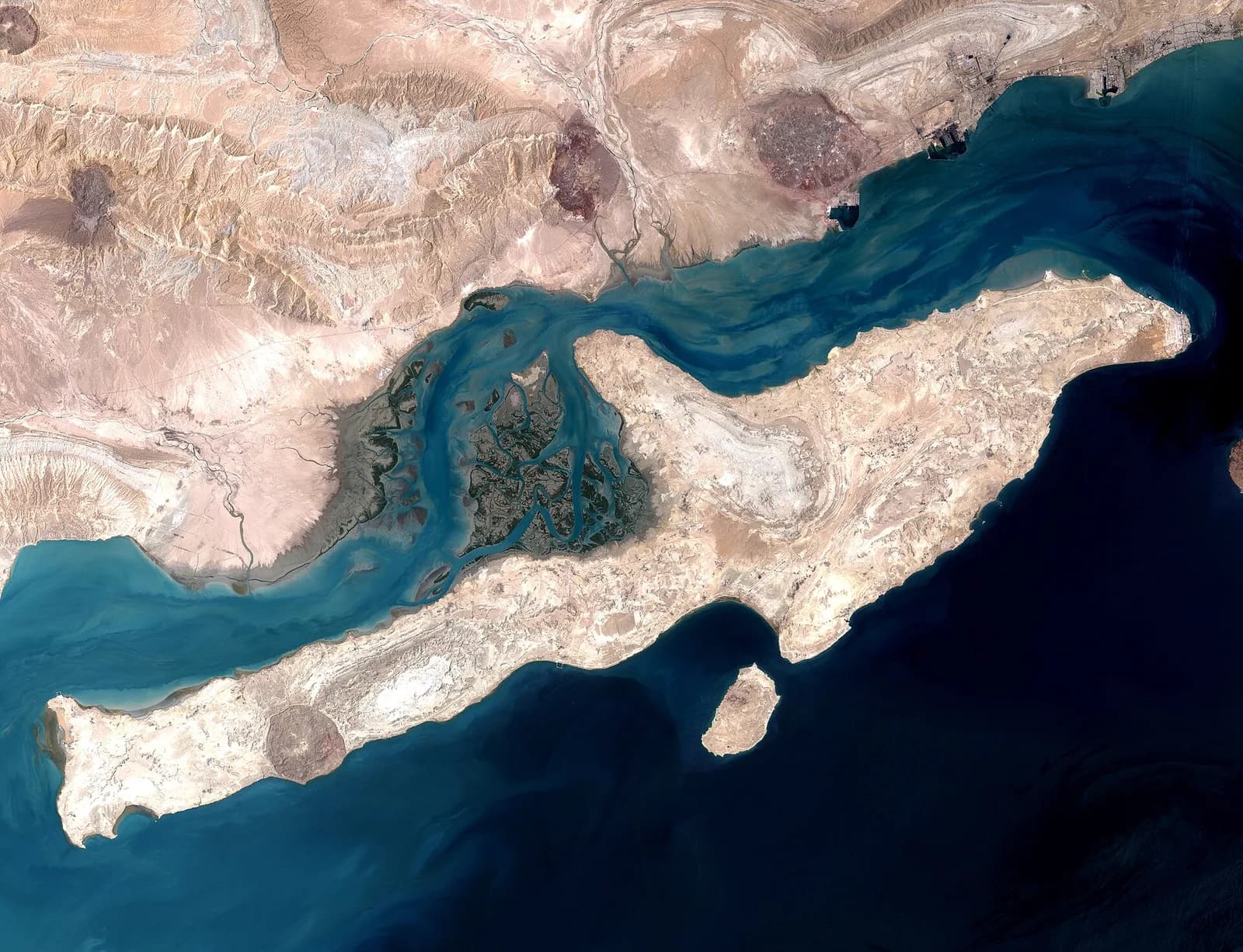
Donald Trump announced on Friday that American forces had mounted another round of restricted attacks on Iran, saying the target was an air defence system and characterizing the operation as minor. Iranian state media, for its part, reported that two blasts were heard in the Suza area of Qeshm Island, which sits in the Strait of Hormuz, the key shipping lane for oil that has been disturbed since the US war with Iran began in February.[S1][S2][S3][S4][S5][S6][S7][S8]
Speaking to reporters that day, Trump described the target as a small anti-aircraft installation and said it had been eliminated in roughly fifteen minutes, perhaps five. The US military had already announced what it called defensive strikes on Monday, when explosions were heard on Qeshm and Hengam islands and in the nearby mainland area of Bandar Abbas.[S1][S5]
Strikes follow a midterm rebuke at home
Friday's action was the first since Trump's Republican party suffered a striking defeat in Tuesday's midterm elections. Part of the electoral backlash stemmed from voters' discontent with how Trump has conducted the Iran war and with high fuel prices, a consequence of the conflict that has touched almost every corner of the world economy.[S1]
Since the vote, Trump has swung between warning that Iran would be destroyed and hinting that the war could soon be settled. The nuclear program remains the most difficult point of contention, and Trump maintains it has to be addressed in any agreement that would bring the fighting to an end.[S1]
Cash rewards and Gulf mediation
US Central Command, which runs American military operations across the Middle East, said in a late Friday post on X that Washington would pay as much as $20m and possibly arrange relocation in exchange for information on Iran's nuclear program, covering facilities, equipment and related personnel such as scientists, as well as the movement of any of these. The post linked to the state department's Rewards for Justice program.[S1]
Trump said earlier on Friday that intermediaries were still in discussion with Iran, and that Washington had been talking to Tehran. A series of diplomatic calls among Gulf leaders and others in recent days has sought to lower regional tensions, amid growing worry that Trump might still order further US strikes on Iran.[S1]
Qatar, acting as a go-between for Washington and Tehran in efforts to halt the conflict, reported that US defense secretary Pete Hegseth held a Friday phone conversation with his Qatari counterpart, Sheikh Saoud bin Abdulrahman Al Thani, covering recent developments. Doha further stated that Trump and Qatar's emir, Sheikh Tamim bin Hamad al Thani, conducted a separate call focused on de-escalation efforts, as announced by the ruler's media office.[S1]