The archdiocese announces his death
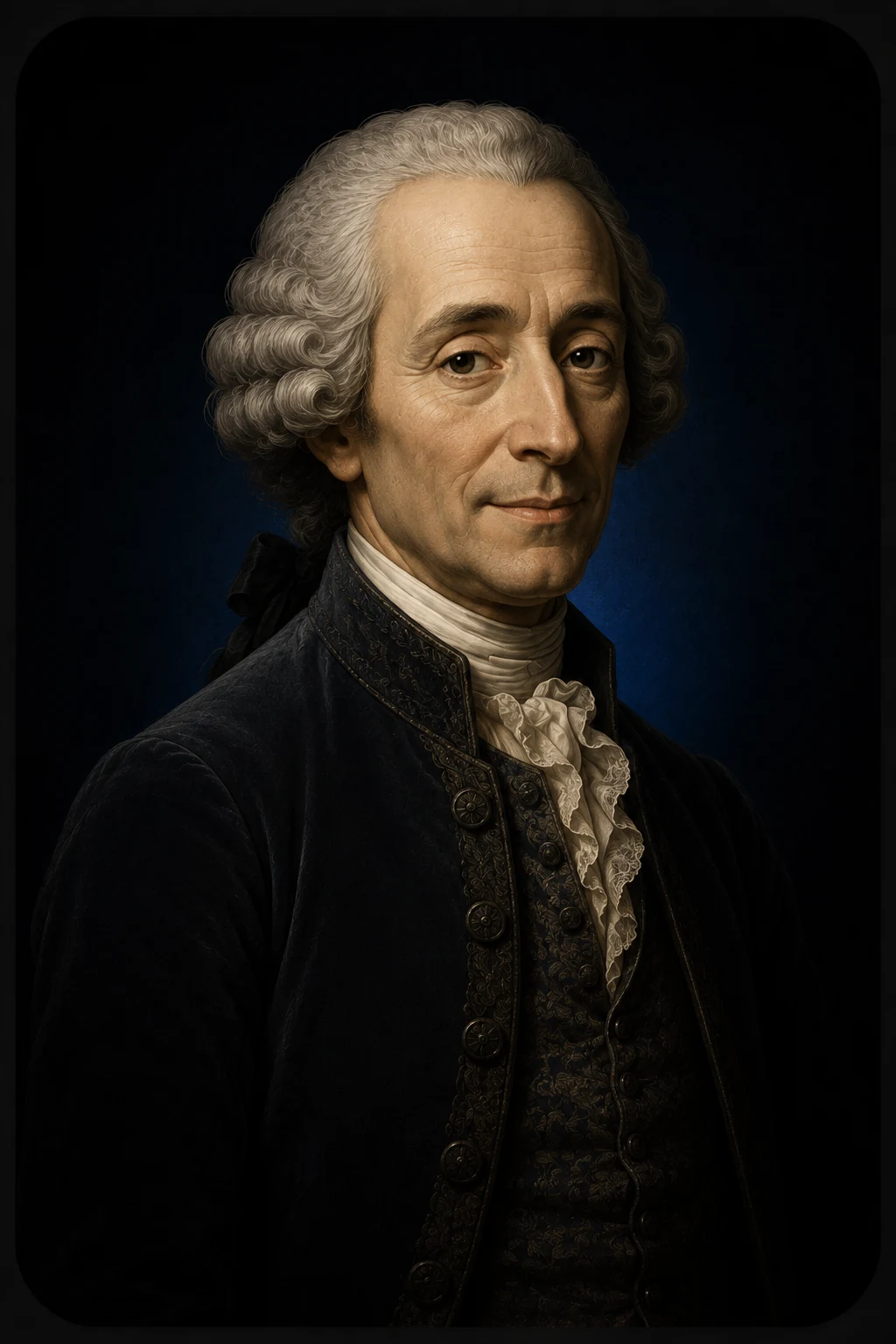
Héctor Rubén Aguer, emeritus archbishop of La Plata, died on Tuesday, November 10, 2026, at 83, according to the Archdiocese of La Plata. The announcement was signed by the current archbishop, Gustavo Carrara, together with auxiliary bishops Alberto Bochatey, Jorge González and Federico Wechsung and other local clergy. The archdiocese said it received the news with sorrow while placing its hope in the risen Christ, and it asked the faithful to pray for his eternal rest.[S1][S2][S3][S4][S5][S6][S7][S8]
In its statement, the archdiocese gave thanks for Aguer's life and for what it described as his fruitful episcopal ministry among the local church, and it also asked for comfort and strength for his relatives and loved ones. Church authorities said the arrangements for the funeral rites would be made public later. Aguer had been living in retirement at the priests' home on Condarco street in the Buenos Aires neighborhood of Flores.[S1][S2][S3][S4][S5][S6]
News of his death broke while Pope Leo XIV was making a historic visit to Argentina, a detail reported by outlets covering the announcement. Aguer's passing closed a career of more than five decades in the priesthood and 34 years as a bishop, according to Infobae.[S4][S7]
From Buenos Aires parishes to the La Plata see
Born in Buenos Aires on May 24, 1943, Aguer entered the Metropolitan Seminary of Buenos Aires in 1964 and was ordained a priest on November 25, 1972, by Juan Carlos Aramburu, then coadjutor archbishop of Buenos Aires. He served early on as a parish vicar in Belgrano's Inmaculada Concepción between 1972 and 1976 and later at San Pedro González Telmo in 1976 and 1977. In 1978 he joined the newly created Diocese of San Miguel at the invitation of its first bishop, Horacio Alberto Bózzoli, and from 1980 he headed its diocesan seminary.[S3][S4][S5][S6]
He earned a licentiate in theology from the Pontifical Catholic University of Argentina in 1977 and also taught there, and he worked as a researcher at Conicet, where he studied medieval doctrines. On February 26, 1992, John Paul II named him titular bishop of Lamdia and auxiliary of Buenos Aires; he was ordained a bishop on April 4 of that year in the Metropolitan Cathedral by Cardinal Antonio Quarracino. He carried out that role until 1998, also serving as zonal vicar of Belgrano and as archdiocesan delegate for doctrine, liturgy and spirituality.[S3][S4][S5]
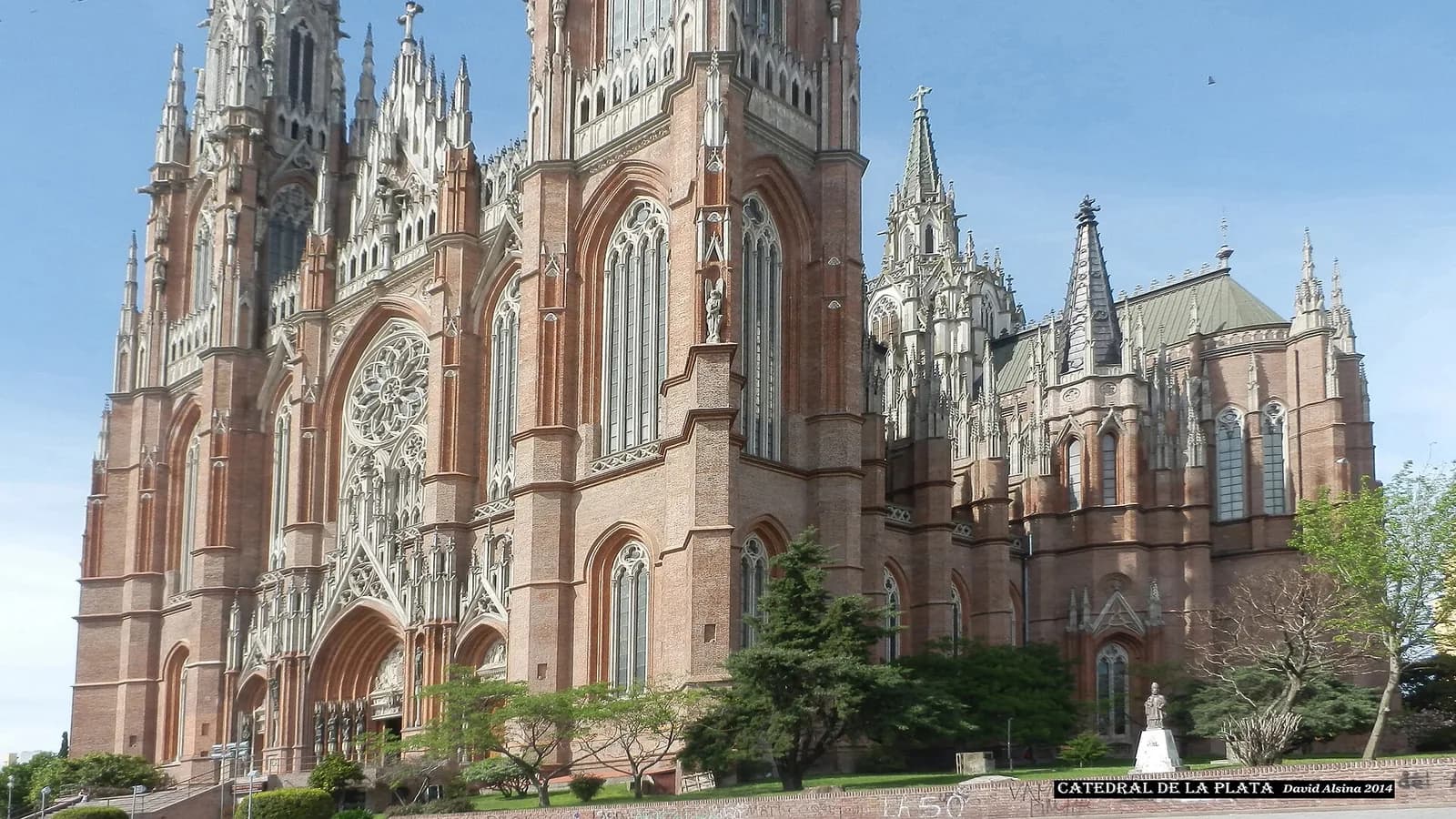
He was appointed coadjutor bishop of La Plata on June 26, 1998, and took possession of the post on September 8. After Carlos Galán stepped down on age grounds, Aguer formally became the seventh archbishop of the diocese on June 12, 2000. He presented his resignation on his 75th birthday, May 24, 2018, and Francis accepted it on June 2; Víctor Manuel Fernández, known as Tucho, succeeded him. Aguer then held the title of emeritus archbishop until his death.[S2][S3][S5][S6]
A conservative voice and a long list of controversies
Aguer became one of the clearest representatives of practicing Catholic orthodoxy and a frequently controversial church teacher, and he clashed at times with Francis going back to the years when the future pope was Jorge Bergoglio. He was among the most recognizable voices of the conservative wing of the Argentine Church, and his positions on social, educational and sexual questions stirred repeated disputes, including criticism of sexual and reproductive health policies and of sex education.[S1][S2][S4][S8]
In late 2016, amid a controversy over masturbation, media outlets gathered some of his most debated remarks. He argued that the notion of nature had been lost and that the sexual function had been denaturalized; he described disorder in the use of sexuality as adolescent or even animal-like; he called masturbation part of excess and premarital relations both a sin and poor preparation for married life; he said the Church considers contraceptive methods a sin; and he held that a Christian homosexual must be chaste to live in God's grace.[S1]
He also said he had never fallen in love and that priests falling in love was unusual, and he remarked that liking women was a prerequisite for choosing celibacy. Beyond his pastoral work, he chaired the education commission of the Argentine Episcopal Conference, sat on the Pontifical Council for Culture and was a full member of the National Academy of Moral and Political Sciences. For roughly two decades he appeared on the television program Claves para un Mundo Mejor, hosted by journalist Héctor Tito Garabal, a slot Bergoglio himself had suggested him for.[S1][S3][S6]