The October thresholds for poverty and destitution
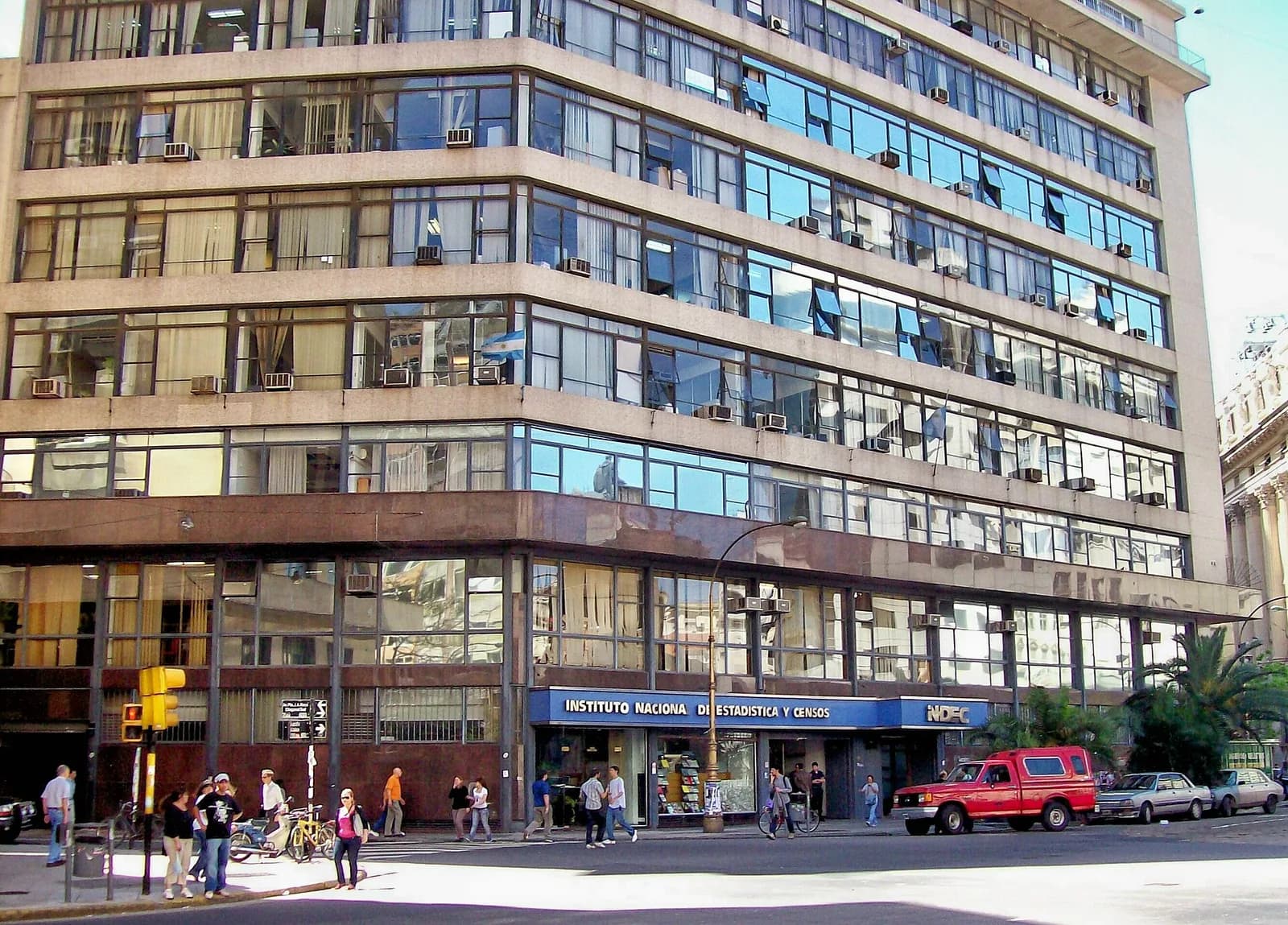
A household of four in Argentina required 1,690,000 pesos in October 2026 to remain above the poverty line, while the same family needed 761,261 pesos to avoid being classified as destitute, according to figures released by the National Institute of Statistics and Censuses (INDEC). The total basic basket, which sets the poverty threshold, rose 3.5% from September, and the food basket, which defines destitution, increased 3.1%.[S1][S2][S3][S4][S5][S6][S7]
The institute also published the minimum income required by other household compositions. A single adult needed 546,926 pesos to stay out of poverty and 246,363 pesos to avoid destitution. A three-person household made up of a 35-year-old woman, her 18-year-old son and her 61-year-old mother required 1,345,437 pesos to remain above the poverty line and 606,053 pesos to stay above the destitution line.[S2][S3][S4][S5]
For a five-member household consisting of a couple aged 30 and three children aged 1, 3 and 5, the poverty threshold stood at 1,777,509 pesos, while avoiding destitution required 800,680 pesos. The four-person reference family is defined as a 35-year-old man, a 31-year-old woman and two children aged 6 and 8.[S2][S3][S4][S5]
Baskets outpace headline inflation
Both basic baskets rose faster than the general consumer price index, which INDEC put at 2.2% for October. The food and non-alcoholic beverages division of the index increased 2%, below the 3.1% rise in the food basket. The 3.5% monthly gain in the total basket was the largest since January 2026, when it reached 3.9%, and the 3.1% rise in the food basket was the highest since February, when it hit 3.2%.[S1][S2][S3][S5][S6]
Measured over the first ten months of the year, both baskets accumulated a 29.1% increase. In year-on-year terms, the food basket climbed 39.9% and the total basket 39.2%, while headline inflation over twelve months reached 33.1%. In September, the same four-person family had needed 1,632,505 pesos to avoid poverty and 738,690 pesos to avoid destitution.[S1][S2][S3][S4][S5][S6]
Within the October price index, the division with the largest monthly increase was housing, water, electricity, gas and other fuels at 4.2%, driven by higher gas prices, followed by recreation and culture at 3.3%. The smallest rises were recorded in alcoholic beverages and tobacco at 0.8% and education at 1.3%. Core inflation stood at 1.5%, seasonal prices rose 5.5% and regulated prices increased 2.9%.[S1][S6]
How the baskets are calculated
The food basket is built around the kilocalorie and protein requirements of a reference adult male aged between 30 and 60 with moderate activity, estimated at 2,750 kilocalories per day. Food items and their quantities are selected according to the population's consumption habits drawn from the National Household Expenditure Survey. The total basket adds non-food goods and services to that cost.[S2][S6]
To move from the food basket to the total basket, INDEC applies the Engel coefficient, which expresses the relationship between spending on food and total household spending in the reference population. The institute values both baskets each month using the price variations recorded by the consumer price index in Greater Buenos Aires.[S2][S4]
The Buenos Aires City middle-class threshold
Separately, the statistics office of the City of Buenos Aires reported that a typical family needed more than 2,740,206 pesos in October to be considered middle class in the capital, excluding rent. That figure was 2.6% higher than the 2,669,814 pesos recorded in September and compared with average monthly inflation of 1.9%.[S1]
Over the first ten months of the year, the middle-class threshold in the city rose 28.7%, from 2,128,462 pesos to 2,740,206 pesos, above the 26.1% average inflation for the period. When rent is included, the threshold exceeded 4,200,000 pesos per month. Rents rose 24.6% between January and October and 29.8% year-on-year, and an estimated 35% of people living in Buenos Aires City households are tenants.[S1]