What the provincial bill would require
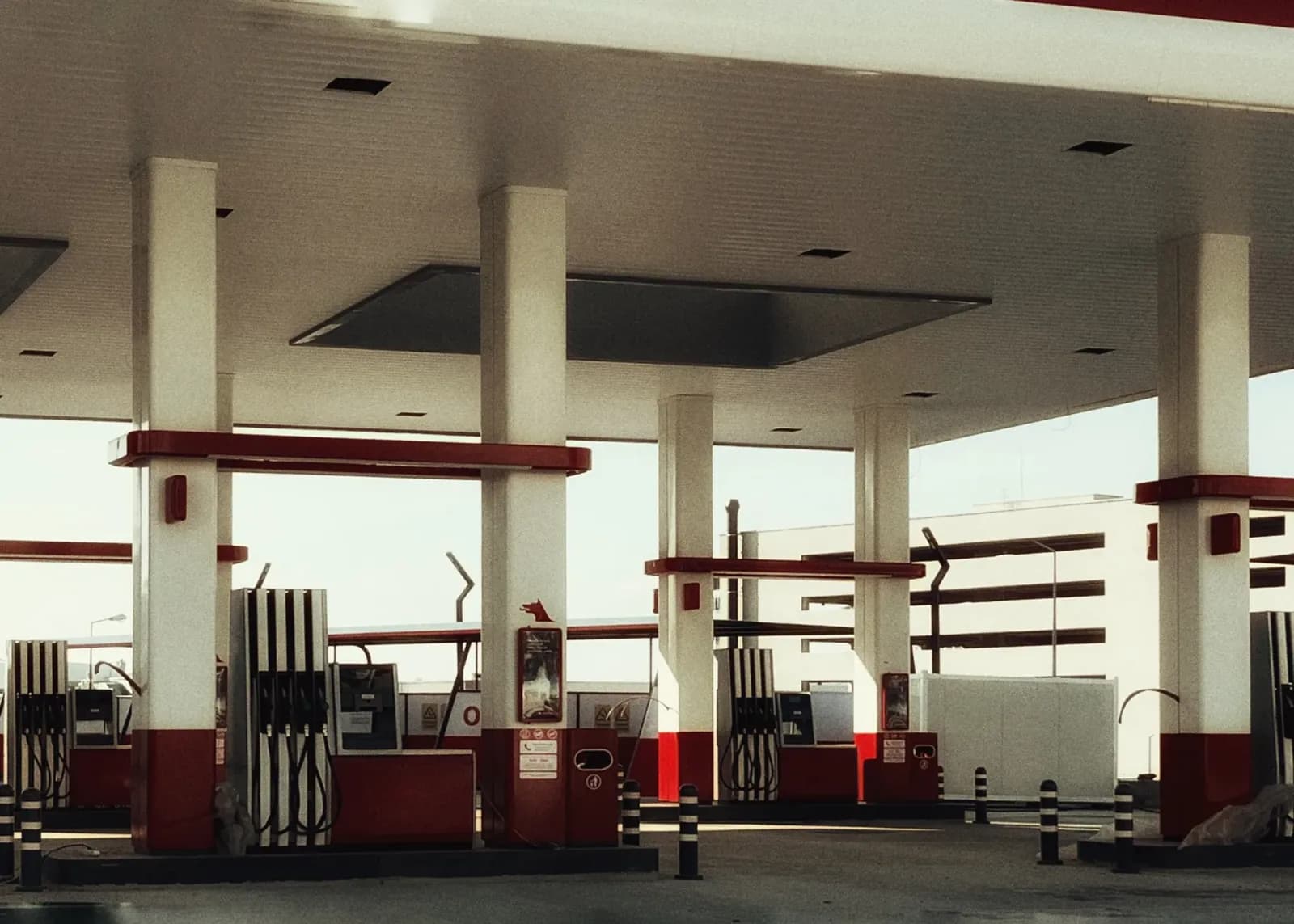
A bill under debate in the Buenos Aires provincial legislature would compel fuel companies and service stations to disclose increases in gasoline, diesel and compressed natural gas before they reach the pumps. The measure is sponsored by provincial deputy Ayelén Rasquetti of Fuerza Patria. Under the text, suppliers would have to notify the provincial authority of any price variation, whether individual or accumulated over the previous five calendar days, 24 hours ahead, using signage at the station forecourt, on the pumps and through digital channels. Increases above 1% would trigger the notice requirement; an earlier version that already secured a committee opinion and is due for debate in the Buenos Aires legislature had set the threshold at 0.5%.[S1]
Enforcement would rest on a penalty scheme. For oil companies, fines could reach the value of 150,000 liters of super gasoline, with license suspension for repeat offenses. Service stations would face penalties equivalent to between 100 and 500 liters, plus preventive closures. A separate account of the proposal describes longer lead times: suppliers would have to report changes at least 72 hours in advance, while stations would post the new prices at least 48 hours ahead on visible signage, at each pump and on official digital channels. Under that version, supplier fines would range from the retail value of 5,000 to 150,000 liters of super gasoline, and station fines from 100 to 500 liters.[S1][S2]
Industry calls the rule redundant and risky
The Argentine Energy Chamber (CADE) rejected the initiative outright. In a statement, the business group argued the proposal duplicates rules already in force, works against consumers and would add costs and bureaucracy without improving transparency. It noted that drivers can already see updated prices in real time on signs visible from outside stations, on apps and on social media, and that retailers keep reporting their prices to the national Energy Secretariat under Resolution 1104/04. The chamber maintained that no other mass-consumption product enjoys a comparable level of price transparency.[S1][S2]
CADE also warned about operational consequences. If consumers learn in advance that prices will rise, they may rush to fill up before the adjustment. Station operators, knowing the liter will sell for more within 48 hours, would have an incentive not to dispense fuel. The chamber said this would place unnecessary strain on the marketing system and could lead to shortages at stations in the district, and it cautioned that the rule could weaken competition and disrupt normal supply in the province. Industry sources told the outlet that the sector has never used an advance-notice mechanism, precisely to avoid that scenario.[S1][S2]
The same sources pointed to a geographic inconsistency: if the obligation applies only in Buenos Aires, stations near provincial borders would be at a disadvantage compared with competitors in neighboring districts. CADE said it was fully willing to take part in dialogue spaces where it could contribute the elements needed to understand the context and the potential impact of the bill's advance in the province.[S1][S2]
A wider fight over fuel rules and prices
The bill arrives amid regulatory tension between the province and the national government over fuels. In May 2025, the Economy Ministry issued Resolution 717/2025, repealing Resolution 314/2016, which had required service stations to report any change in gasoline, diesel and CNG prices to the state within eight hours of the change at the pump. The repeal also eliminated the Precios en Surtidor app, which allowed real-time tracking of prices at every station in the country.[S1]
CADE groups the main private companies that produce, refine and market hydrocarbons and fuels in Argentina. Its members include Pan American Energy (Axion Energy), Raízen Argentina (Shell), Trafigura (Puma Energy), DAPSA, Shell Argentina, Total Austral, Pluspetrol, Compañía General de Combustibles (CGC), Harbour Energy and Phoenix Global Resources, as well as oilfield service firms such as Baker Hughes, San Antonio Internacional, DLS Archer, Manpetrol and Petrominera Chubut. YPF is not a formal member but regularly joins the chamber's dialogue tables and sector meetings given its weight in the market.[S1]
The legislative debate takes place under heavy pressure on fuel prices. Gasoline has accumulated a 23% rise in dollar terms so far in 2026, driven both by the international crude rally, affected by tensions around the Strait of Hormuz, through which about 20% of the world's oil passes, and by the progressive updating of the Liquid Fuels Tax (ICL) and the Carbon Dioxide Tax (IDC). The Brent barrel touched USD 117.58 on October 30 before falling almost 21% in less than two weeks, though that international relief did not reach local pumps. Since the conflict began, YPF and the rest of the industry have applied a buffer mechanism, absorbing part of the crude increase instead of passing it directly to station prices; when international prices fall, companies keep pump values to recover what they gave up during the peaks. The effect on demand is visible, with fuel sales accumulating a fall.[S1]