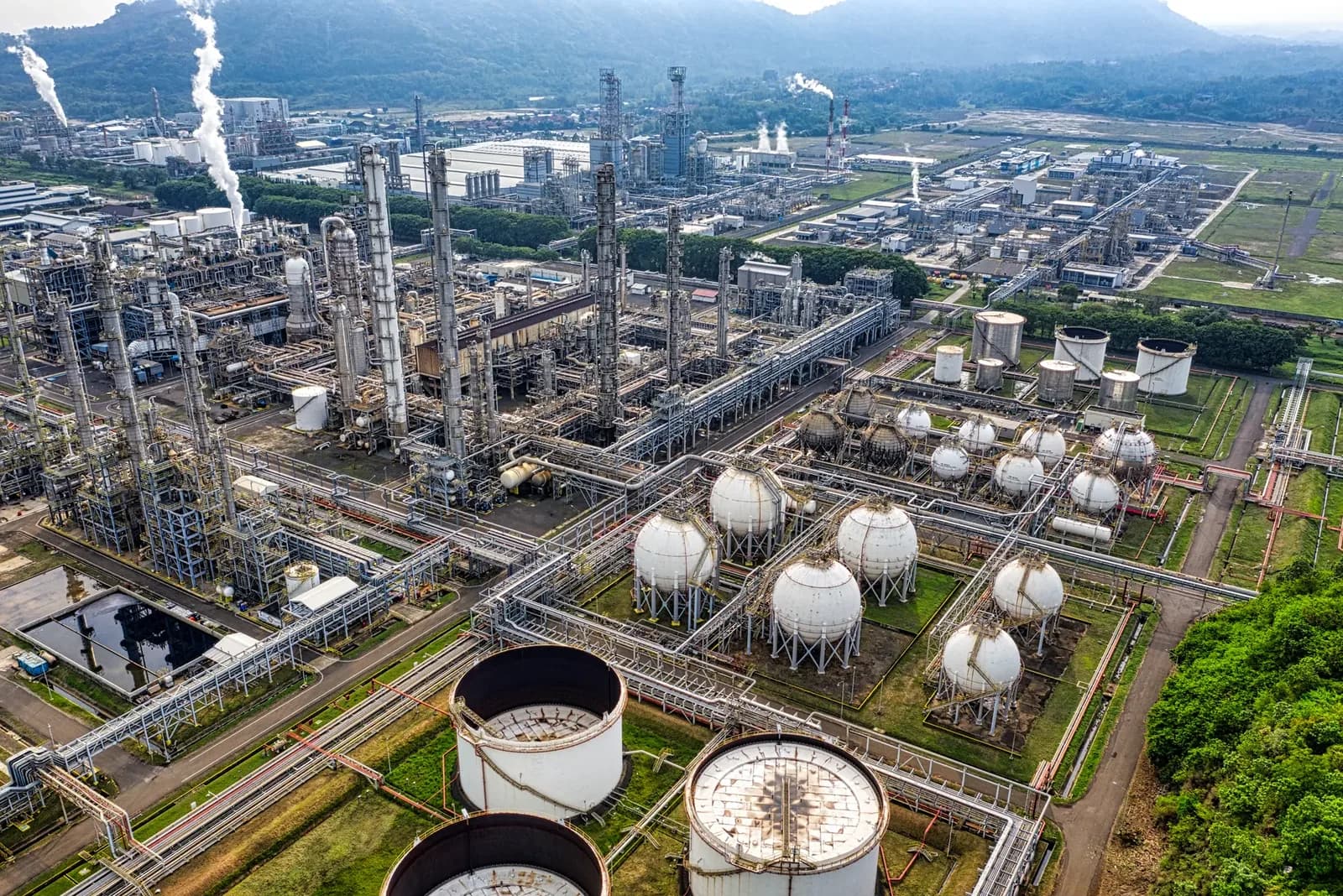
Why energy producers and refiners are back in view
Inflation remains persistent, energy prices are rising, and interest rates appear likely to stay elevated for an extended period. That combination matters for US energy producers and refiners, because it can weigh on some parts of the sector while opening opportunities in others. Investors who overlook the shift risk missing returns, according to the screening analysis. The three companies examined here are a small sample; the same screen identified 41 additional US energy producers and refiners with comparable investment cases that were not detailed.[S1][S2]
Sable Offshore: crude-linked cash flow from California
Sable Offshore operates three platforms and subsea pipelines off the California coast as an independent US offshore oil and gas producer, which gives its cash flow direct exposure to commodity prices. The company carries a market value of roughly $637 million. Its program combining lower-cost Perf Add and ESP optimization has seen early intervals produce between 900 and 1,100 barrels per day, against forecasts of 250 to 280 barrels per day at a finding and development cost of about $0.64 per barrel. That points to a program able to raise output while supporting stronger net margins.[S1]
The open question is whether a still underappreciated pressure could quietly change how much of that future production turns into lasting margin strength. If that pressure proves decisive, the company's cash generation story could be accelerating beneath the surface, the analysis suggests.[S1]
CVR Energy: refining margins against policy costs
CVR Energy operates refineries, renewable diesel plants and nitrogen fertilizer facilities across the United States. Petroleum accounts for roughly US$7.7 billion of its approximately US$8.5 billion in revenue, while nitrogen fertilizers contribute about US$677 million, and the company's market value sits near US$6.2 billion. Inflation lifting pump prices can widen gasoline and diesel crack spreads, yet policy-related costs eat straight into refining economics and complicate that upside.[S1]
Understand this article deeper
Net RIN costs tied to Renewable Fuel Standard compliance have been rising, hitting $143 million in one quarter and $216 million in the following one. These expenses are seen as a lasting structural drag that may keep squeezing net margins and free cash flow even when headline crack spreads appear favorable. The open question is how things change if a less visible policy mechanism moves while energy prices hold firm and the market keeps assuming wider margins.[S1]
Ring Energy: efficiency gains and balance-sheet risk
Ring Energy stands out as one of the purest ways to play the US energy producers and refiners theme. Exploration and production bring in about US$324 million, and its market capitalization is roughly US$357 million, with oil and gas volumes linking cash generation straight to commodity prices. Because its acreage spans West Texas and New Mexico, results hinge closely on how US oil and gas prices react to persistent inflation and costlier fuel.[S1]
The company recently bought Lime Rock assets and integrated them efficiently; those properties have mature, low-decline output and a deliberate emphasis on operational synergies, which has driven notable cuts in lease operating expenses. Further savings and steady operations are anticipated, supporting net margins and free cash flow. The genuine test arises if a less obvious balance-sheet pressure emerges just as those efficiency gains start reaching margins, possibly separating operational progress from financial risk.[S1]