A coordinated exit in Bangkok
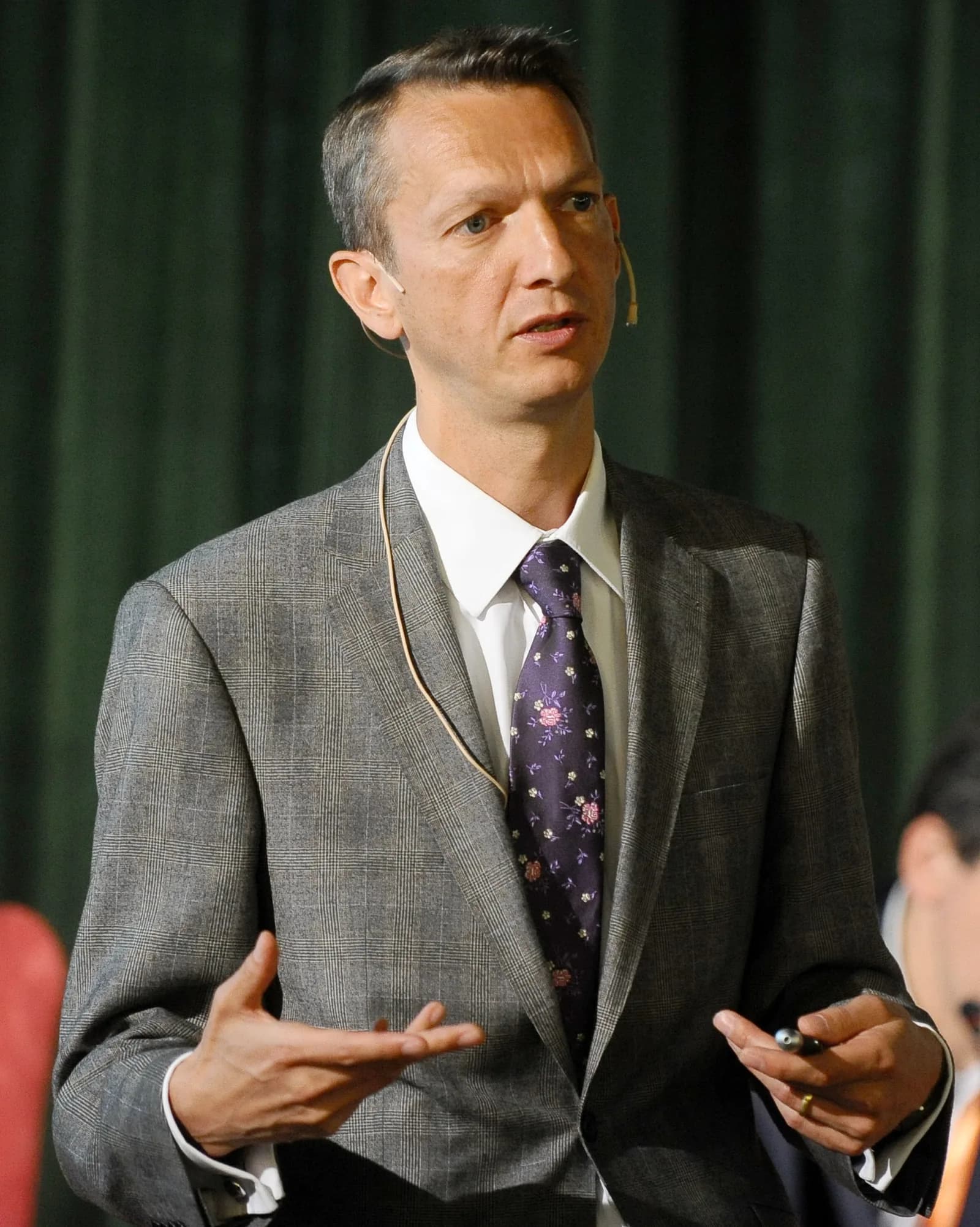
Andrew Bailey, who heads the Bank of England, was among the finance officials who departed an International Monetary Fund meeting in Bangkok to signal opposition to Russia's participation. He acted alongside counterparts from France, Germany and several Scandinavian and Baltic nations when Anton Siluanov, the Russian finance minister, began addressing the gathering in Russian. The Bank of England later confirmed that its governor had taken part in the departure.[S1][S2][S3]
Joachim Nagel, president of Germany's Bundesbank, estimated that close to half of the delegates present joined the coordinated exit once Siluanov started speaking. The gesture was also noted by Mohammed al-Jadaan, the Saudi finance minister who chairs the IMF's steering committee, who did not treat it as a breakdown of the proceedings.[S1]
Europe's stance and Washington's support
A European diplomat, speaking to the Reuters news agency, described the conflict in Ukraine as a question of survival for Europe and argued that normal relations with Russia could not be restored. Germany had previously cautioned against attempts to return Russia to international forums, and Siluanov had attended a gathering of G20 finance ministers and central bankers earlier in the year.[S1]
The United States took a different position. Erin Browne, a treasury undersecretary, told Reuters that Washington backed Russia's presence at the talks even though European governments had raised objections. The divergence left the walkout as a European statement rather than a unified response from the major economies represented at the meeting.[S1]
Economic warnings beneath the protest
Delegates in the Thai capital heard that the world economy had held up surprisingly well despite the war between Russia and Ukraine and despite disruption around the strait of Hormuz linked to a US bombing campaign. Al-Jadaan nonetheless cautioned against complacency, pointing to public debt levels and elevated bond market rates as reasons for continued vigilance.[S1]
In a statement issued after the meeting, al-Jadaan said the global economy had absorbed the latest in a series of shocks more effectively than anticipated, but warned that its buffers had been depleted and that resilience should not be assumed. He also cautioned that widening conflicts and trade frictions could disturb key trade routes, add pressure to commodity prices including refined energy products, and deepen problems of energy and food security.[S1]