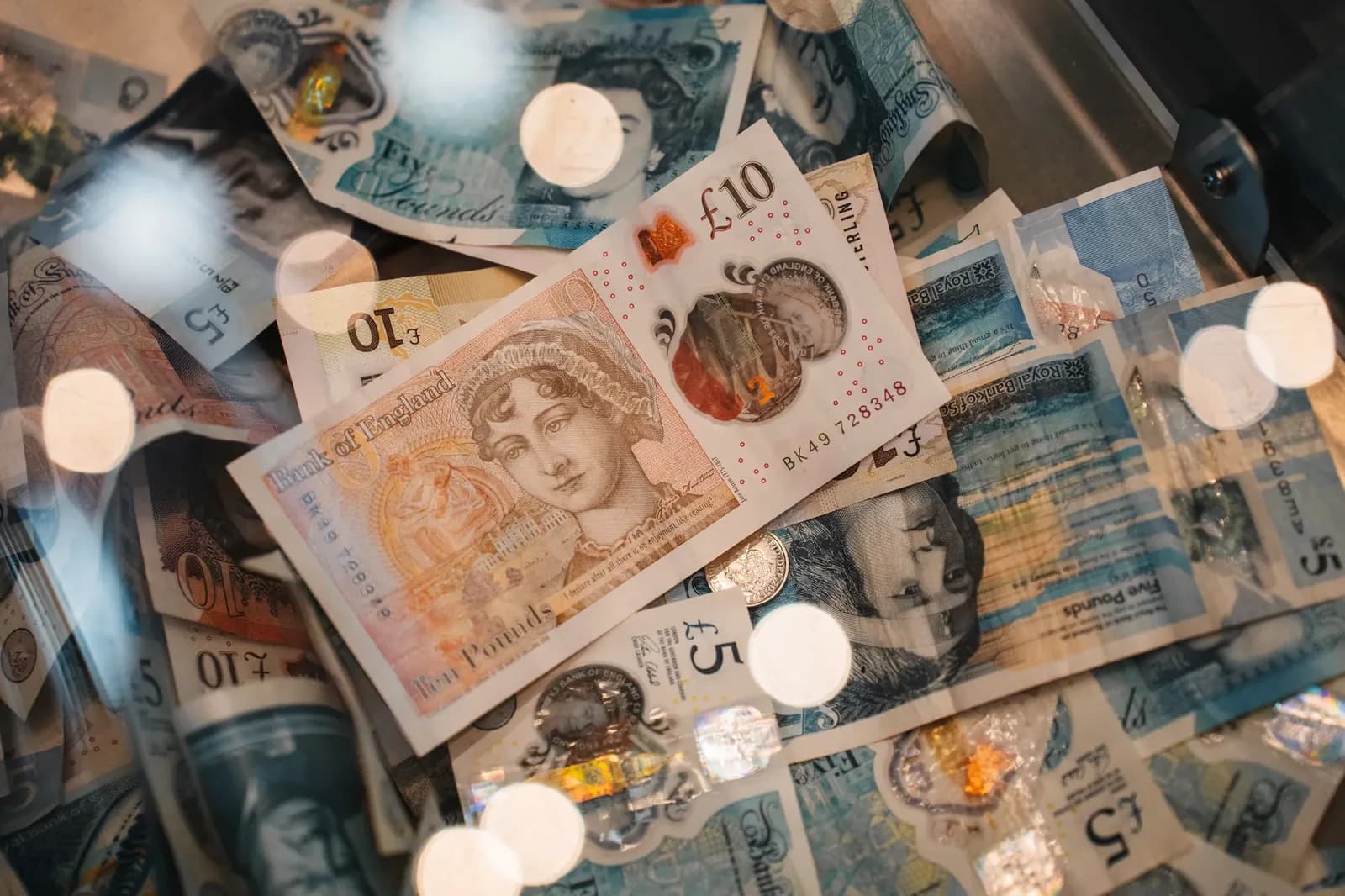
Sterling's Slide Against Major Currencies
The pound traded little changed at $1.322 on Friday, after touching $1.32 on Thursday, its weakest level since June 29. Against the euro, sterling also eased to a three-month low, with the single currency reaching 86.11 pence. Britain's currency was on course for a 1.2% weekly decline against the dollar, its steepest one-week fall since May, following a 1% drop the previous week.[S1]
Dollar Strength and Rate Hike Expectations
This week the US currency climbed as market participants increased wagers that the Federal Reserve will tighten policy further. Higher energy costs, caused by Middle East hostilities interrupting supply flows, together with solid economic expansion, led Fed policymakers to signal that additional increases are plausible following last Wednesday's move to lift borrowing costs. When investors anticipate higher rates, bond yields in that country usually rise, which draws buyers and supports the currency's value.[S1]
Central Bank Divergence and Analyst Outlook
Last week the Bank of England left its benchmark rate unchanged, setting it apart from both the Fed and the European Central Bank, while cautioning that hikes could become necessary should the US-Israeli conflict with Iran persist. ING currency strategist Francesco Pesole remarked that sterling may face headwinds over the next few months, since a substantial BoE rate rise looks improbable. He added that the central bank is unlikely to deliver the tightening markets have priced in, so a notable dovish adjustment is probably still ahead.[S1]
Money market participants have priced in roughly 35 basis points of additional BoE tightening during this year, plus over 100 basis points through the end of 2027, even though most economists foresee far smaller moves. For the ECB, which has already lifted rates twice in 2024, traders anticipate about 100 basis points of further tightening by the close of next year.[S1]