Inflation Accelerates on Fuel and Airfares
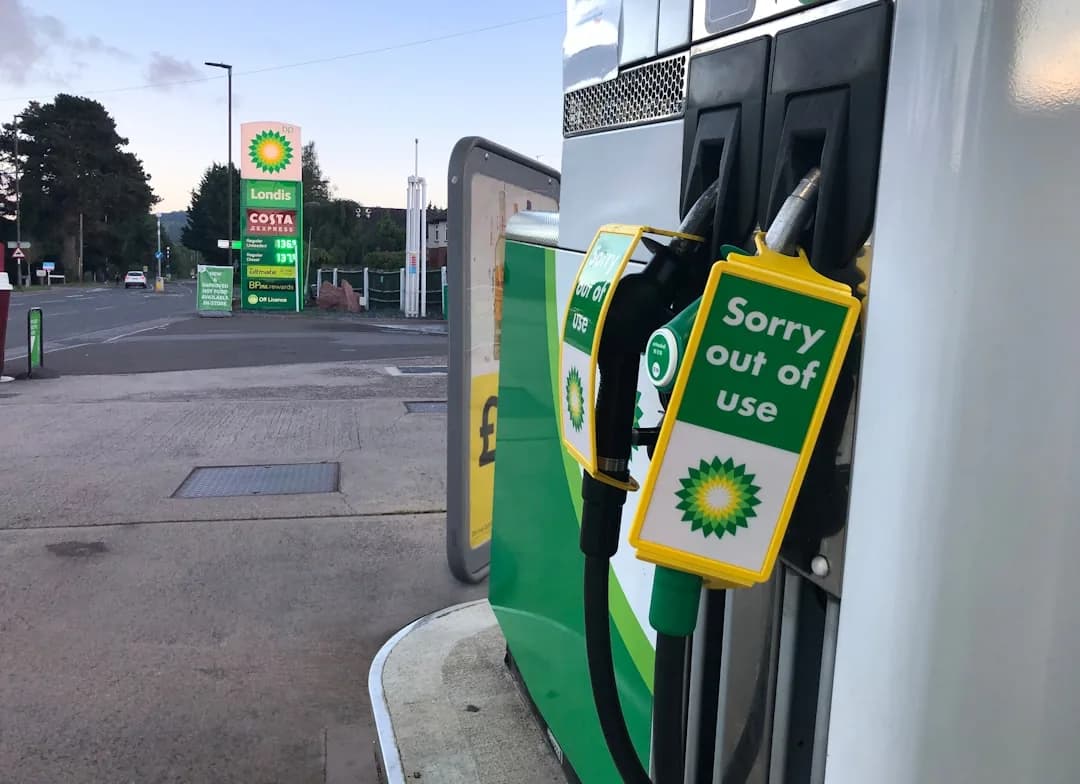
Official data published Wednesday showed UK inflation climbing to its highest level in five months, with lingering effects of the Iran conflict driving fuel costs upward. The Office for National Statistics reported that the consumer prices index hit 3.1% in August, compared with 2.9% during the prior month. The ONS attributed much of the rise to more expensive petrol and plane tickets. This reading pushed inflation even further above the Bank of England's 2% goal, intensifying calls for policymakers to consider raising interest rates again in the months ahead.[S1]
Bank of England Expected to Hold Rates
Most observers anticipate that officials will leave the Bank's benchmark rate unchanged at 3.75% when their meeting wraps up Thursday. A majority of the nine-person Monetary Policy Committee seemingly prefer to wait and assess whether rising prices are translating into larger pay packets that might intensify inflationary pressure. At present, a weak jobs market is restraining wage growth. Suren Thiru, chief economist at ICAEW, noted that August's uptick probably won't prompt an immediate rate increase, since decision-makers will draw reassurance from a softening employment picture. Still, he suggested it would likely reinforce the Bank's hawkish stance and keep the possibility of higher rates alive for later in the year.[S1]
Iran War Reverses Downward Rate Trend
UK interest rates had been declining from a 15-year peak of 5.25% until the US and Israel launched attacks on Iran in late February. That conflict caused oil and gas prices to surge, in part because the vital Strait of Hormuz has remained mostly shut to shipping since then. The war's effect on energy costs has now filtered through into consumer prices, upending the earlier downward inflation trend and making the Bank of England's policy decisions more difficult.[S1]