Nuclear Deal in Doubt
On Sunday, U.S. Energy Secretary Chris Wright indicated that a nuclear agreement with Iran might not be achievable, potentially failing to prevent Tehran from acquiring atomic weapons. Speaking on ABC, he suggested that as talks appear deadlocked and hostilities between the U.S., Israel, and Iran persist, a deal may not materialize.[S1]
Wright outlined alternatives to a deal, including further US military action to destroy Iran's capacity to manufacture and deploy nuclear missiles, or waiting for a new Iranian administration. He later told CBS that Washington was not closing the door on diplomacy and remained open to an agreement.[S1]
Strait of Hormuz Safety Questioned
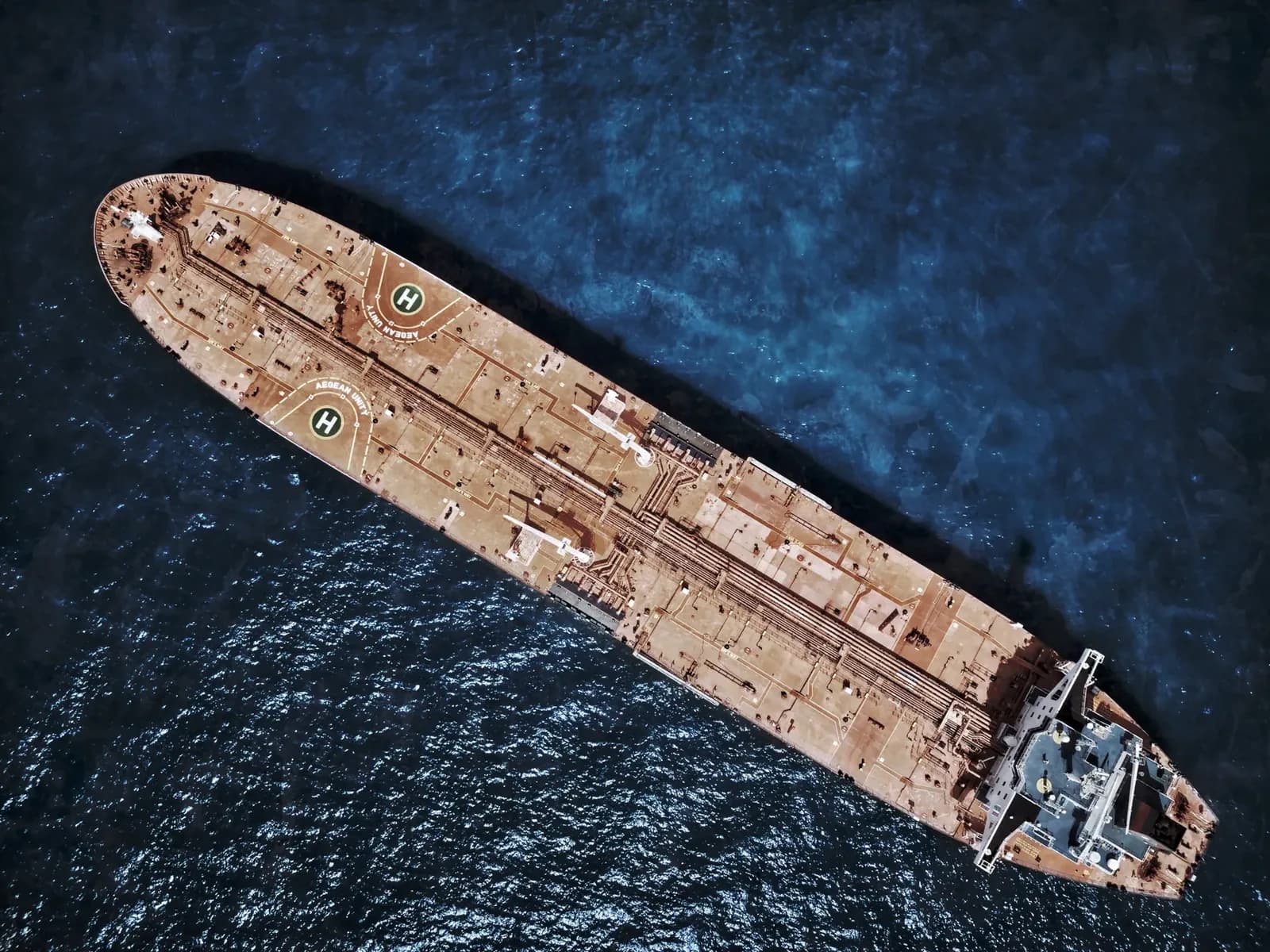
During a CNN interview, Wright stopped short of guaranteeing safe passage for oil tankers through the Strait of Hormuz without U.S. Navy escorts. He noted that current transit levels are below pre-conflict norms and rely on American military support, though he mentioned ongoing collaboration with Gulf states to boost shipping activity.[S1]
When asked if the US Navy would remain in the region indefinitely, Wright said it is the situation today but hoped other nations would share the responsibility. He added that until Iran changes its position or government, the US will have to deal with it, while noting that Iran's capabilities are being degraded.[S1]
Conflict Status and Duration
Wright confirmed the US is still in a conflict, despite Vice President JD Vance's reluctance to call it a war. President Donald Trump defended Vance, describing it as a military conflict and 'small potatoes' for the US. The conflict passed the six-month mark in late August.[S1]
Republican Senator John Kennedy of Louisiana said on NBC that the war probably would not be over by November. Former Defense Secretary Leon Panetta warned in a Guardian interview that the conflict could last much longer.[S1]