Ships Sink After Projectile Strikes
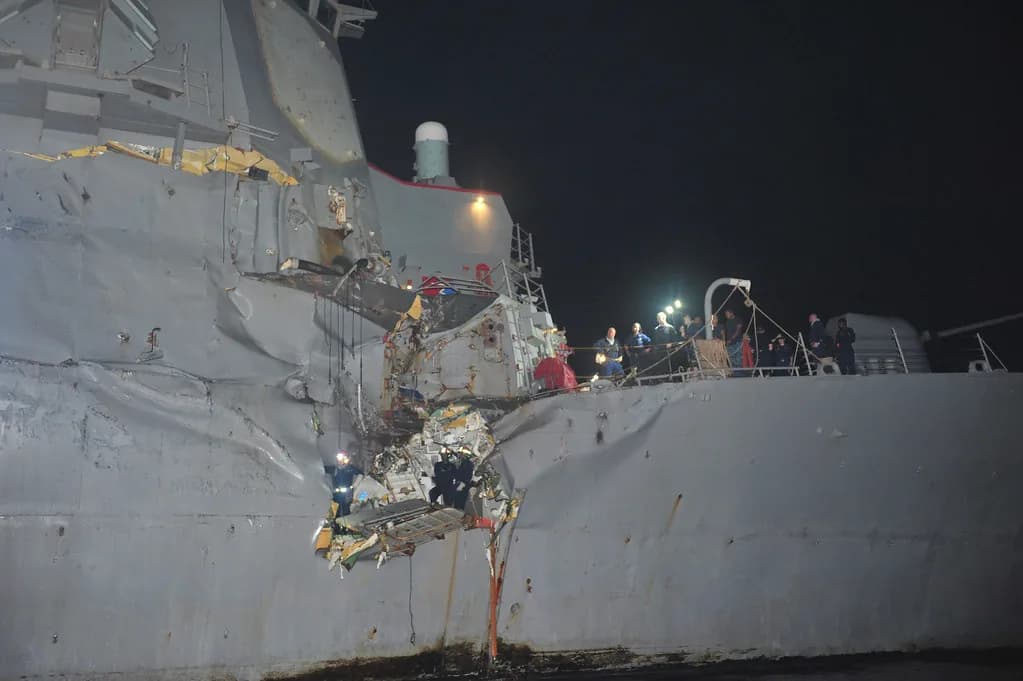
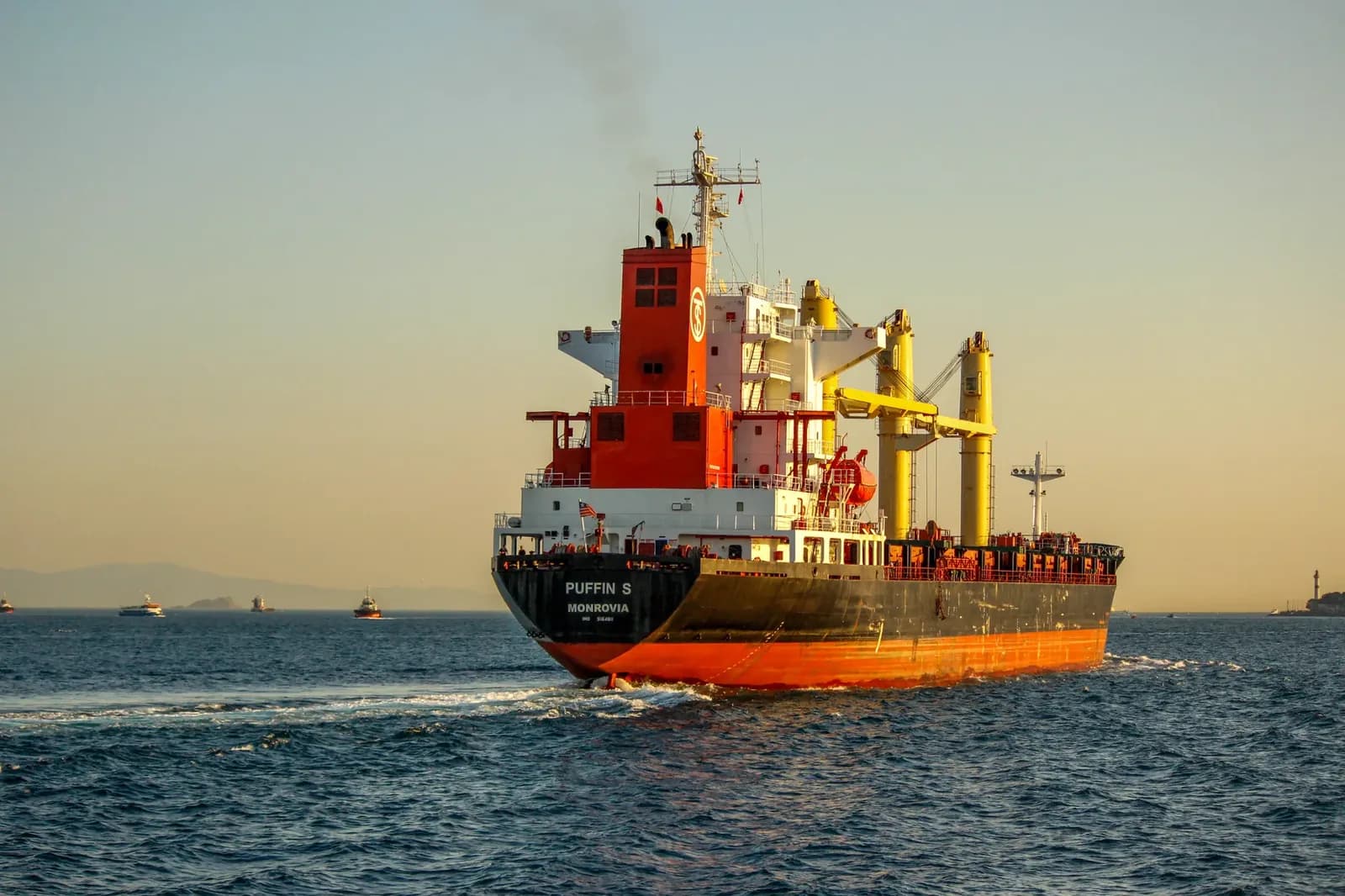
Missile strikes have sent two container vessels to the bottom close to the Strait of Hormuz, marking the steepest escalation in Iranian assaults on merchant shipping since the US-Israel conflict with Iran began. The Singapore-registered GFS Pride went down on Wednesday, a day after it was attacked. A few hours later, the Cape Dao, sailing under the flag of Antigua and Barbuda, also sank near the strait; International Maritime Organization records show it had been struck by a projectile on 23 September.[S1][S2][S3][S4][S5][S7]
Tehran claimed a cargo vessel went under after striking a naval mine while traversing the strait without authorisation. Iran's Islamic Revolutionary Guard Corps said in a statement broadcast on state television that the ship was on an unlawful and hazardous route when the mine detonated. Footage showed the vessel listing and emitting heavy smoke, and the broadcast said it carried 2,500 containers. Yet UK Maritime Trade Operations indicated both ships were struck by unidentified projectiles, casting doubt on Iran's version of events.[S1][S6]
Attacks Intensify as Iran Aims to Close Waterway
UKMTO said that on Wednesday it had logged no fewer than five incidents over the preceding two days, among them drone attacks aimed at tankers and other commercial vessels in the Hormuz region. According to UKMTO monitoring, ships there have faced a concentrated wave of strikes lately, with six vessels targeted on Sunday by itself. Financial Times analysis counted 24 ships struck in the fortnight ending 11 October, among them three tankers carrying refined energy products and two crude oil tankers.[S1]
The quickening pace of Iranian strikes seems to have triggered a steep fall in oil traffic through the strait, as Tehran appears set on proving it can hit ships ahead of the US midterms that will determine who controls Congress. American fuel prices have climbed by nearly 70% since Trump began the war on Iran, and Republicans are preparing for voter backlash. The Trump administration has sought to shift focus from the war's economic fallout by pinning rising fuel costs on Ukraine's strikes against Russian refineries.[S1]
New Tactics and Coordination
Two Iranian officials said Tehran has lately adopted fresh methods against ships it deems to be breaching its restrictions. This approach involved altering both the nature and the frequency of the attacks, with one aim being to sway the result of the US vote, according to the officials. They added that the shift in strategy was decided at the top echelons of Iran's leadership and was comprehensively coordinated throughout the country's governing apparatus.[S1]
A US military official, who spoke on condition of anonymity, said Tehran had altered its tactics in one notable respect. Once the US had wiped out much of Iran's radar capacity, the IRGC began deploying unarmed spotters aboard small boats to locate possible targets, among them American naval vessels, the official said. In an incident not previously disclosed, the US military concluded last week that Iranian spotters were working from a dhow and relaying target coordinates to the IRGC, the official said. US forces approached the vessel, ordered those aboard to leave it, and then destroyed it, with no one hurt, the official said.[S1]