Attack in the Gulf
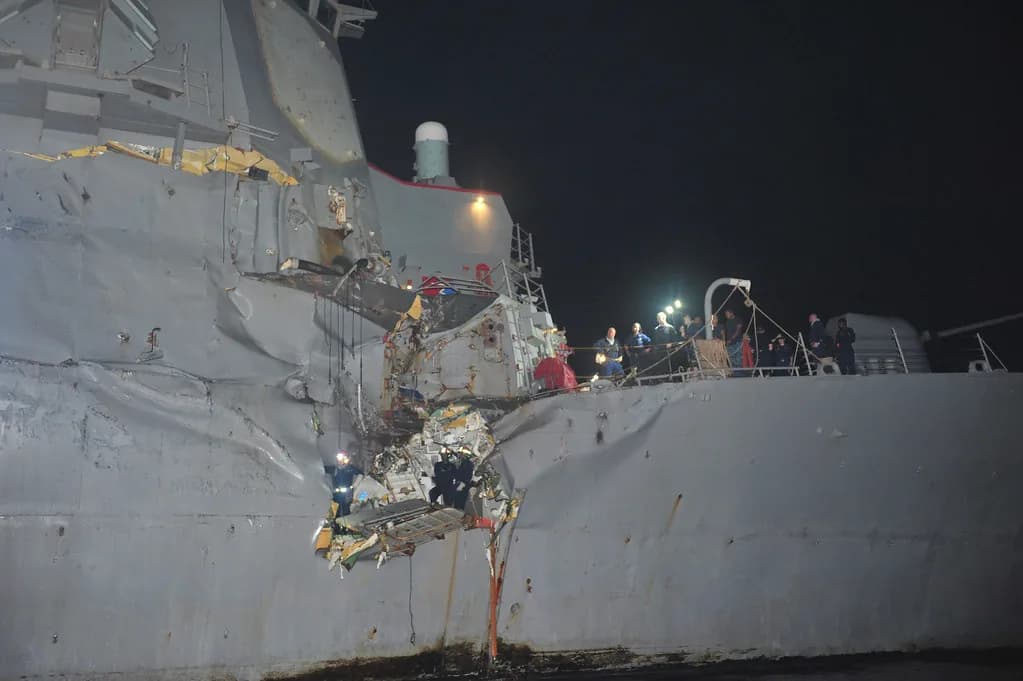
A British maritime security body reported that a tanker was struck while underway near Qatar's northern shoreline, leaving an undetermined number of people hurt. According to the UK Maritime Trade Operations, the ship was roughly 500km (300 miles) to the west of the Strait of Hormuz in the Gulf when it signalled it had been hit by several projectiles on Wednesday. The UK agency gave no details about where the vessel is registered.[S1][S3]
Maritime security companies said the strike coincided with the largest weekly tally of attacks on tankers in the Strait of Hormuz since the Iran conflict started. Data gathered from three security sources showed no fewer than 12 assaults on vessels carrying oil, liquefied natural gas and liquefied petroleum gas around the waterway during the seven days ending 5 October. Meanwhile, the price of crude moved past $100 a barrel.[S1]
India's foreign ministry reported on Tuesday that 12 people aboard a Panama-flagged oil tanker were wounded when it was attacked while transiting the Strait of Hormuz. A US Navy-led body said on Sunday that strikes, foiled strikes and intimidation — among them drone flights overhead and monitoring by Iran's Revolutionary Guards — have continued in the waterway. The Joint Maritime Information Center said such behaviour shows Tehran's wish to project power over important shipping corridors and keep vessels under pressure.[S1]
Iran's Threat and Regional Tensions
Tehran said on Wednesday it would tighten its grip further on the Strait of Hormuz, announcing that shipping lanes it regards as unlawful would shortly be shut — a reference to a southern channel running along Oman's shoreline. Mohammadreza Naqdi, an adviser to the Revolutionary Guards' commander, said those few routes had been carved out by blowing up and damaging rocky passages, and were plied by small boats smuggling oil and offloading it onto tankers, even though evidence indicates Gulf oil exports are returning to prewar volumes. He told the Fars news agency that the strait is shut and that the Islamic Republic of Iran's armed forces hold complete control over it.[S1]
The IRGC has repeatedly rejected the idea that crude shipments by sea through the strait are recovering with US Navy assistance. IRGC adviser Majid Mirahmadi said on Thursday that roughly 10 vessels a day were using the waterway, compared with an average of 125 before the war. US Secretary of State Marco Rubio challenged that version on Wednesday, saying Iran had entirely lost its hold on the strait and that nearly the same amount of oil is now leaving as before the conflict started.[S1]
With conflicting statements and worries about supply, crude prices climbed on Wednesday, and Brent crude went above $100 a barrel. The war's ongoing deadlock is piling pressure on Donald Trump. US media reports indicate the president is weighing restarting military action against Iran within weeks, including the possibility of ordering strikes ahead of November's midterm elections. A third US aircraft carrier departed for the region last week, which could put three carriers there by late October.[S1]
Global and Domestic Consequences
Because of Trump's war with Iran, people in the US have faced steep petrol prices and sharply rising diesel costs. Washington has imposed its own counter-blockade on Iranian ports and at times fires on ships tied to Tehran. It has also struck Iranian targets in response to Tehran's attacks on vessels, though no such strikes have been reported since 1 September. The Strait of Hormuz matters greatly to the global economy: before the war, roughly one-fifth of the world's oil and liquefied natural gas moved through it.[S1]