Tariff relief and a new trade council
Washington and Beijing will each reduce duties on goods valued at $42.63 billion, according to a White House announcement made Friday local time. American exports affected include farm products, timber, and beauty items, while imports from China that benefit include compact appliances, playthings, and ornamental goods. The White House stated that the two governments agreed on proposals for preferential tariff treatment covering $30 billion of non-sensitive products in both directions.[S1]
The agreement also establishes a trade council and extends the outcomes of earlier talks held in Kuala Lumpur, China's foreign ministry said. The move follows a decision by the two largest economies to extend a trade truce by two months beyond its original 10 November expiry, giving negotiators more time to pursue a potentially larger trade deal, US Treasury Secretary Scott Bessent said on Wednesday.[S1]
A dialogue on artificial intelligence
Regarding artificial intelligence, the two nations concurred on holding discussions about the technology's dangers and advantages, with the following round set for November, and on setting up a means of communication for AI-related occurrences, as reported by China's Foreign Ministry and the White House. The White House noted that the leaders chose to employ the phrase super intelligence rather than artificial intelligence. China's ministry, in a separate announcement, expressed appreciation for the US's adoption of the new wording and contended that as AI progresses, both sides ought to expand exchanges and seek agreement in keeping with emerging developments.[S1]
Diplomatic outcomes and global issues
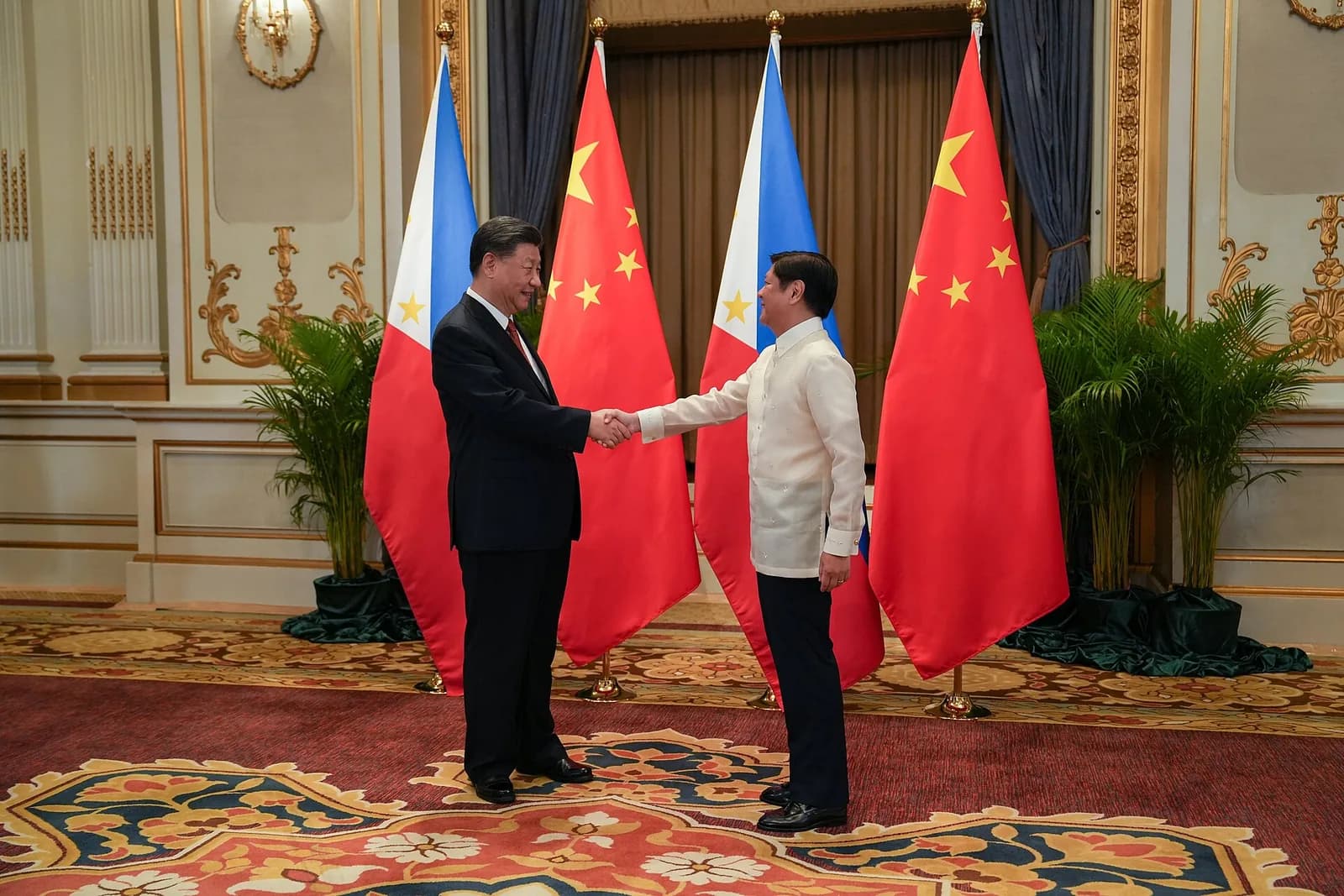
The three-day gathering between Xi and US President Donald Trump, concluding on Friday, highlighted personal diplomacy over any major public breakthroughs. Xi has returned to Beijing, according to Chinese state news agency Xinhua on Saturday. Chinese Foreign Minister Wang Yi stated that the historic visit strengthened the constructive and stable China-US relationship, preserved the overall steadiness of bilateral ties, inaugurated a new chapter in China-US relations, and would exert a profound influence on global peace and development.[S1]
The two nations further agreed to back one another in hosting the Asia-Pacific Economic Cooperation leaders' meeting and the Group of 20 summit, with each leader intending to attend the other's event. Concerning foreign policy, they concurred that Iran ought to honor its pledge not to build nuclear weapons and that no state or entity should levy transit fees on international waterways, according to both governments.[S1]