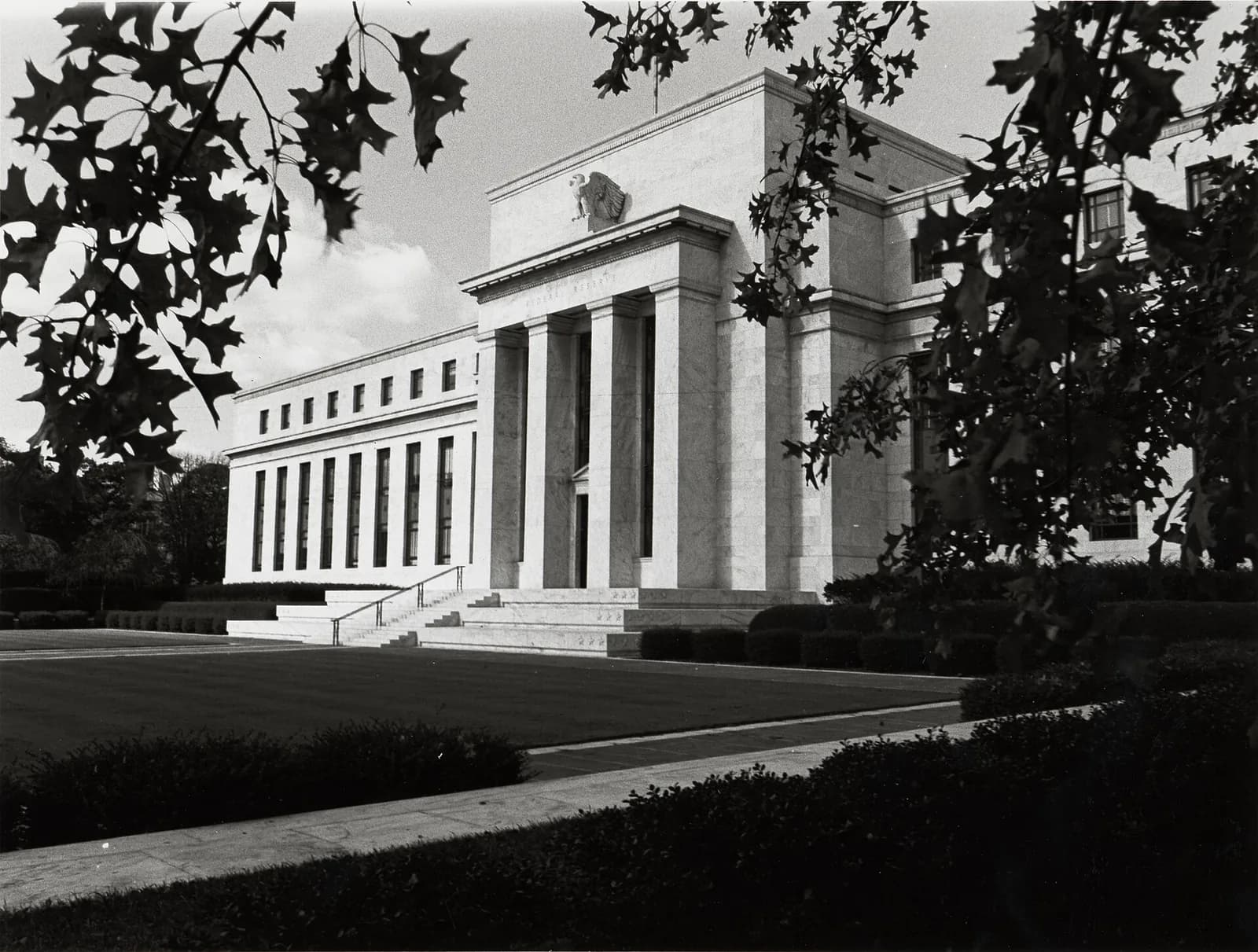
A presidential claim meets Fed research
Speaking to supporters at a campaign rally in Montana before the Nov. 3 midterm elections, President Donald Trump addressed inflation and the part his trade policy might have played in it, asserting that the country does not have inflation and that tariffs generate wealth rather than price pressure. Research published by economists at the Federal Reserve Bank of New York reaches a different conclusion, finding that the duties have lifted the cost of goods for American consumers.[S1][S2]
The analysis appeared in Liberty Street Economics under the title How Fast Do Tariffs Pass Through into Consumer Prices. Its three authors calculated that each one percentage point rise in average tariff rates translates into a quarter-point increase in consumer goods prices after a year. By February 2026, they estimated, the tariffs had added 2.9 percentage points to goods price inflation, and absent the duties goods prices would have edged slightly lower.[S1]
How the duties reach the checkout counter
The economists identified three channels through which tariffs raise consumer costs. First, duties directly increase the price of imported goods, since overseas producers seldom absorb the charge themselves. Second, taxing unfinished inputs such as steel raises production expenses for domestic manufacturers, and those costs are passed along to buyers. Third, where tariffs made imports notably more expensive than American-made alternatives, domestic producers raised their own prices to capture part of the gap.[S1]
The report's arithmetic suggests a 10% across-the-board tariff would lift consumer goods prices by 2.6% within a year. Roughly two-thirds of that increase stems from pricier imports, which feed through quickly, while the remaining third comes from U.S.-made goods as producers confront costlier inputs and diminished import competition, a slower process taking about six to twelve months.[S1]
An earlier trade war left lasting marks
A separate Liberty Street Economics report from December 2024, titled Do Import Tariffs Protect U.S. Firms?, examined the 2018 China tariffs. Its four authors emphasized how duties on inputs push consumer prices upward. They also documented a correlation between publicly traded companies whose shares fell on days when China tariffs were announced and weaker real outcomes afterward, including declines in employment, labor productivity, sales and profits between 2019 and 2021.[S1]
The tariff timeline stretches across both of Trump's terms. In 2018 his administration began a trade war with China covering washing machines, solar panels, steel, aluminum and various technology goods. His April 2025 Liberation Day measures imposed a broad global duty and higher reciprocal rates on dozens of countries judged to have adverse trade imbalances with the United States; the Supreme Court invalidated most of those in February 2026. In late July, new global duties of 10% to 12.5% were applied to more than 80 countries under Section 301 of the Trade Act of 1974, covering over 99% of U.S. imports.[S1]
What it means for markets
Tariffs are one of two policies currently pushing consumer prices higher, according to the report, with the Trump-led Iran war as the other catalyst. The article notes that the continuing closure of the Strait of Hormuz has affected markets, though the supplied text ends before that point is developed. For Wall Street, the concern is that policy-driven inflation could unsettle an equity rally built around artificial intelligence, even as major indexes have posted stronger average annual returns under Trump than under most presidents since the late 1890s.[S1]