Legal Obligation Under Current Law
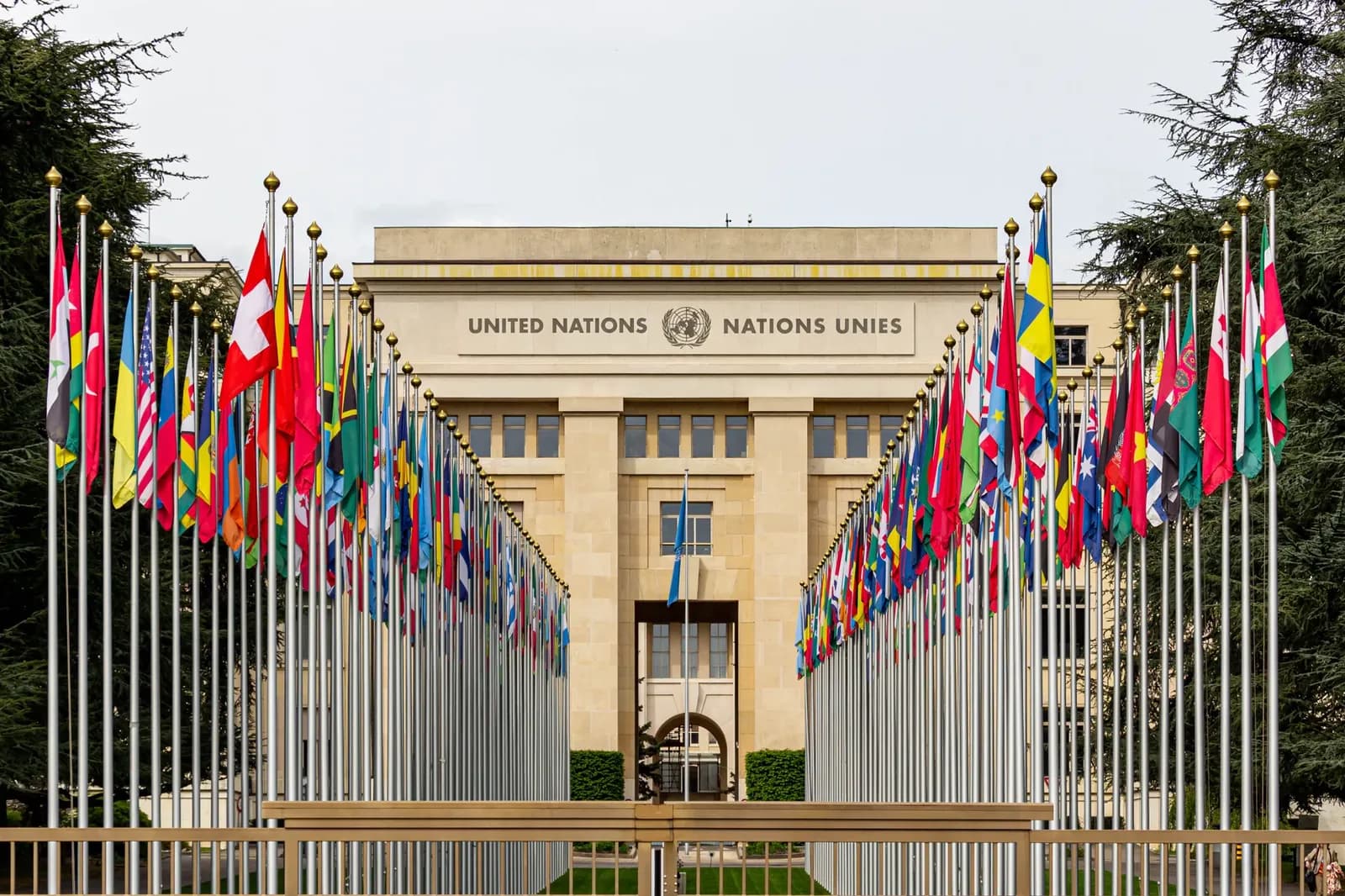
The UN Committee on the Elimination of Racial Discrimination (CERD) has stated that countries are legally required to consider reparations for the transatlantic slave trade and to take other steps to address the lasting effects of racial discrimination. The guidance, released on Monday, is based on the legally binding 1965 convention on racial discrimination, not on the legal standards that existed during the slave trade era.[S1]
The committee characterized this as a fundamental change in perspective, steering clear of arguments about historical blame that governments have frequently employed to reject reparations. The document, which could be referenced in legal proceedings, asserts that states are required to implement thorough reparatory actions for individuals of African descent, encompassing all facets of redress.[S1]
Historical Context and Current Resistance
Between the 15th and 19th centuries, at least 12.5 million Africans were forcibly transported and sold, an occurrence CERD identified as the most extensive forced migration in history. Internationally, demands for reparations—from formal apologies to monetary compensation—have intensified, yet some contend that modern states and institutions bear no responsibility for past wrongs.[S1][S2]
Understand this article deeper
Certain nations have attempted to evade justice claims by asserting that no international laws prohibited the slave trade at that time, a concept known as intertemporality. Nevertheless, the UN document argues that irrespective of whether slavery was legally permissible then, countries are still accountable under current international law to address its ongoing consequences.[S1]
Transformative Measures Beyond Compensation
The UN document asserts that monetary compensation alone is insufficient and calls for transformative actions, such as opening archives, revising public monuments, and establishing independent truth commissions. It stresses that states are bound by their present obligations to rectify structural inequalities, regardless of how the original historical acts were legally classified.[S1]
Pela Boker Wilson, a committee expert from Liberia who contributed to drafting the document, expressed hope that states will move beyond general apologies and scrutinize their policies and laws. She urged state parties to take decisive and meaningful steps, honoring the dignity of those whose suffering was overlooked, downplayed, or forgotten.[S1]