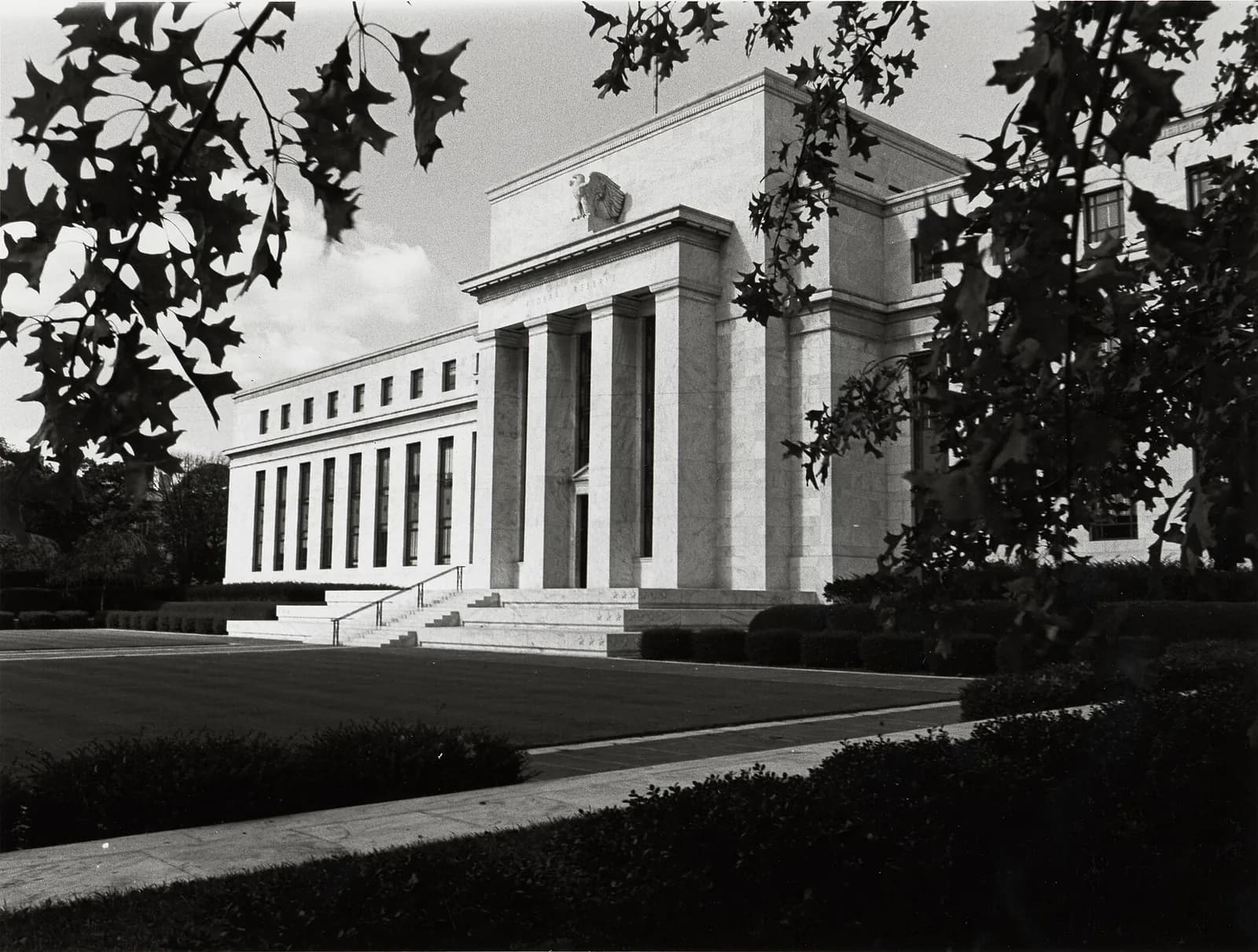
Fed Meeting and Rate Decision
The Federal Reserve will conclude its two-day policy meeting on Wednesday, and it could raise its benchmark interest rate to combat inflation that has remained stubbornly high. The central bank has kept rates steady while monitoring price pressures, but Wall Street expects at least one increase before the year ends. Higher rates would make borrowing harder and slow economic growth, which could help cool inflation.[S1]
Inflation has been a persistent concern for the Fed throughout the year, staying well above its 2% target. The U.S. war with Iran has fueled price increases by disrupting global oil supplies. The conflict has effectively closed the Strait of Hormuz, a chokepoint through which a fifth of the world's oil flowed before fighting began in February. Rising oil prices have pushed up gasoline costs, straining household budgets directly at the pump and indirectly through more expensive shipping.[S1]
Retail Sales and Political Pressure
Also on Wednesday, Wall Street will receive an update on U.S. retail sales for August. The data could shed light on how and where consumers are spending amid higher inflation and slower wage growth. The report may influence expectations for the Fed's next moves.[S1]
The Fed has faced pressure from President Donald Trump, who wants the central bank to lower interest rates instead. A cut could stimulate the economy, but it also risks worsening inflation. The tension highlights the political stakes surrounding the Fed's decision as it balances price stability against economic growth.[S1]