A close race with no clear coalition path
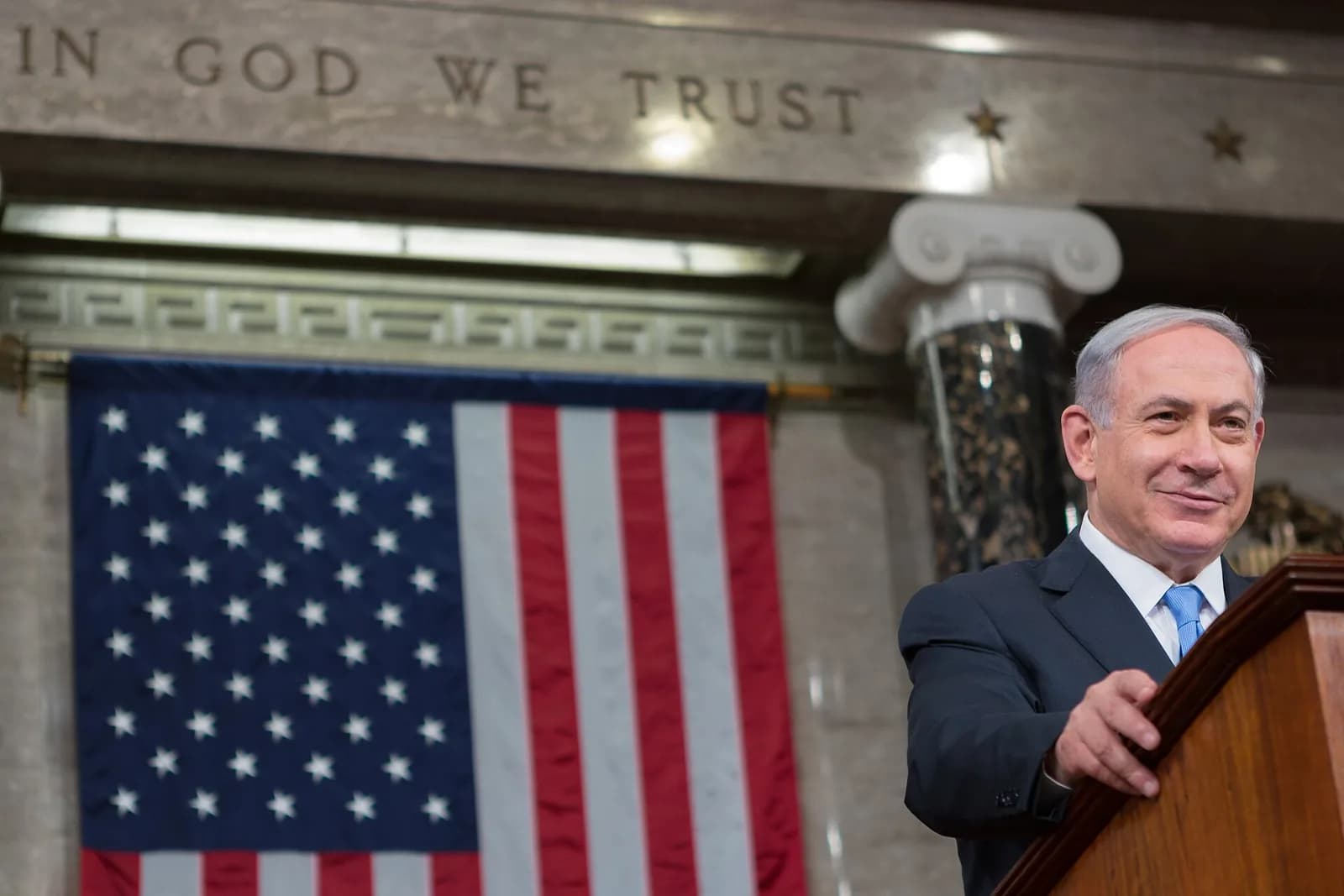
With more than 70 percent of ballots counted, the bloc assembled around Prime Minister Benjamin Netanyahu, leader of Likud, held a 54-47 edge in Knesset seats over the anti-Netanyahu Change camp. That camp is led by Gadi Eisenkot, a former military commander who heads the center-right Yashar, or Straight, party. Netanyahu nonetheless lacked an evident route to the 61 seats needed for a coalition, since five of the six parties outside his bloc were seen as highly unlikely partners and the sixth was too close to call. Gridlock, and possibly another election within months, appeared plausible.[S1]
Our Loves: a hit that arrived before the vote
The first film under discussion is Avi Nesher's Our Loves, a sentimental drama with action elements about Israelis struggling to survive the October 7 Hamas attacks. It avoids explicit politicking, yet by depicting an absent army and dwelling on security failures it carries an implicit critique of the government then in office. Released deliberately a fortnight ahead of the election, it sold 150,000 tickets in Israel, a strong figure for a non-Hollywood title in a small market, and one that the report suggests could have cost Netanyahu a handful of seats.[S1]
Nesher has publicly distanced himself from the Netanyahu government, telling The Hollywood Reporter at TIFF that he does not share its outlook and would not vote for it, and repeating similar views in the Israeli press. His standing lends those remarks weight: he is a widely admired filmmaker whose Rage and Glory and Image of Victory both revisit the 1948 founding conflict, and he is regarded as a source of artistic light in dark times. Eisenkot, 66, also lost a son fighting in Gaza, a fact that gives the film a kind of weight on the candidate's behalf, and the movie even includes a hardened military figure not far from Eisenkot in age.[S1]
NAZA: a documentary felt through the press
The second cinematic factor is NAZA, a documentary by Yuval Abraham and Rachel Szor in which roughly two dozen IDF whistleblowers describe how Netanyahu's government has waged the war in Gaza. It was not released in Israel, but discussion of it filled the Israeli press in the weeks before the vote. Its effect is hard to pin down: even some critics of Netanyahu faulted the film for an incomplete account, and a work critical of the IDF would not necessarily please every Eisenkot supporter. The government sought to appeal to its base by floating the idea of stripping Abraham and Szor of citizenship, a step for which no legal basis is known.[S1]
That move seems to have gained little with the wider voters Likud required, and it may have worked against the party by giving the impression that the government treated all criticism as hostile — an attitude Change supporters find unacceptable. The report acknowledges that gauging a single documentary's effect on a complex situation is hard, yet weeks of opinion pieces that brought the war debate into the mainstream could have damaged the leader waging it. Despite Netanyahu's three-decade staying power, Likud alone is not a majority force: it won less than 25 percent on Tuesday and needs alliances with far-right and ultra-Orthodox parties to come close to one.[S1]
Gadot weighs in as polls stay open
A celebrity from the film industry also weighed in directly on Tuesday. Gal Gadot, the Wonder Woman actress and arguably the country's best-known public figure, shared a video of herself at a polling station announcing her support for Change. She had traveled from Los Angeles to vote and used her Instagram post to encourage other Israelis to turn out too, pointing out that roughly 80 percent did, before making clear her preference against Netanyahu. She later turned up in a sketch on Eretz Nehederet, Israel's answer to SNL, aired on election night while polls were still open, as an Uber passenger talking about being Israeli in Los Angeles.[S1]
Asked by the driver whether it was hard to be an Israeli abroad, she offered what the report calls one of the region's greater unspoken truths, saying she is constantly explaining things to people and that what they see there is not what is seen here, a remark aimed at the media ecosystem.[S1]