No bloc reaches the majority threshold
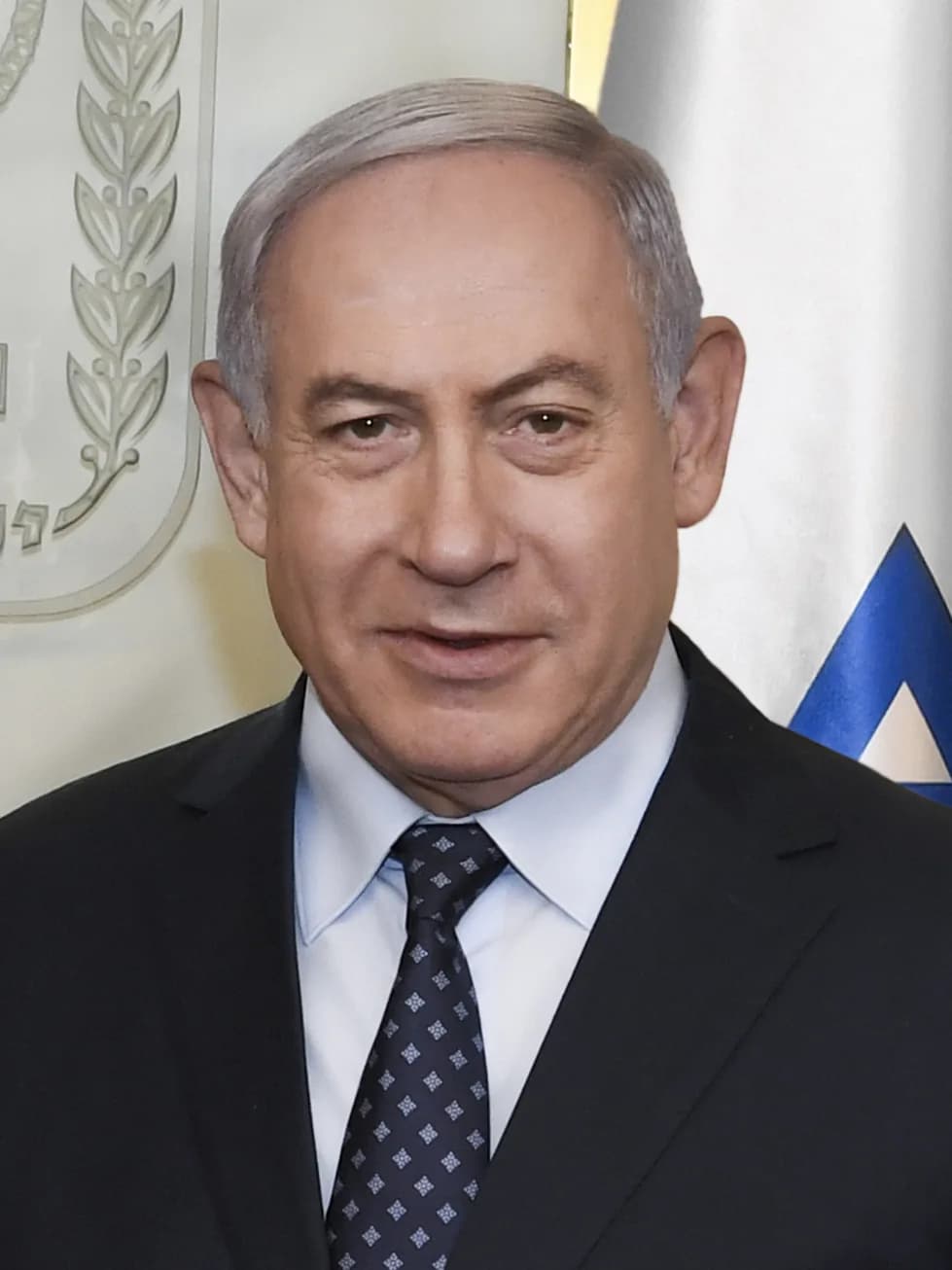
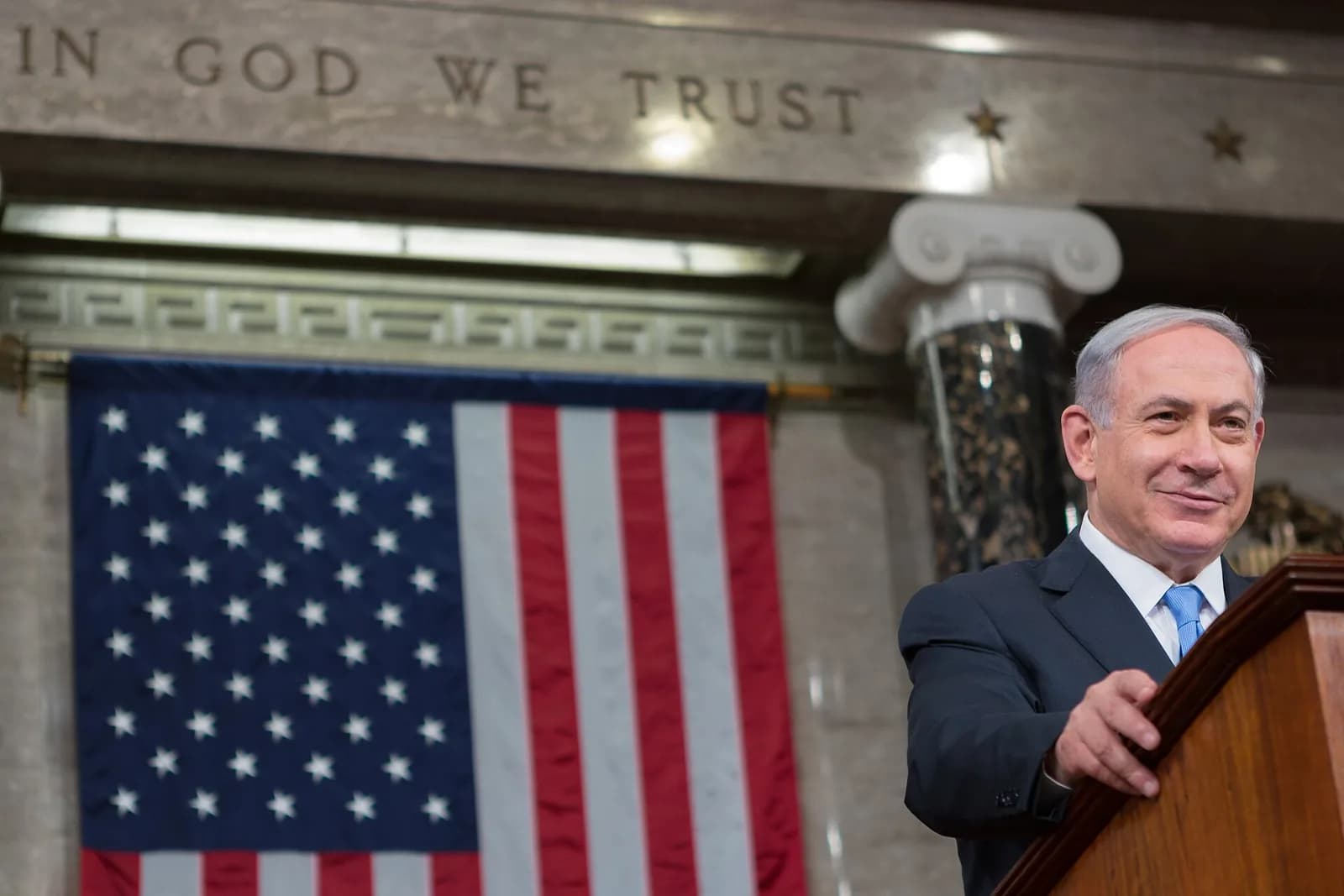
Exit polls released by Israel's main television networks and partial official figures place the governing bloc of Benjamin Netanyahu and the opposition alliance led by former general Gadi Eisenkot at around 51 seats each, or effectively level. Neither side approaches the 61 seats required to assemble a majority coalition, according to the same projections.[S1][S2][S3][S4][S5][S6][S7][S8]
The Central Elections Committee, with roughly one-third of ballots tallied, reported 28 seats for Netanyahu's Likud and 21 for Eisenkot's party, Yashar. Those numbers are expected to shift substantially as counting proceeds, since Israel's proportional system can move seat allocations on very small changes in vote share.[S1]
Speaking at three in the morning local time, Netanyahu pledged to build a coalition through deals among Likud, far-right factions and Jewish religious parties, telling backers that a right-wing government must be formed and that the Jewish and Zionist majority should come together. Eisenkot, addressing supporters in Tel Aviv, said voters had chosen change and argued Netanyahu should have declared his retirement from politics that day.[S1]
Record turnout among Palestinian citizens
The vote drew 77.7% turnout, the highest since 1999, with more than seven million people eligible. Participation rose sharply among Israeli citizens of Palestinian origin, a discriminated minority making up about 20% of the population, many of whom have pushed for a stronger political voice after decades of boycotting elections in the Jewish state.[S1]
Exit polls put Palestinian parties at roughly 18 seats, compared with 10 previously. Whether they will carry weight in a future coalition is unclear: Netanyahu has ruled out a government relying on Palestinian parties, and Eisenkot has argued that Arab-led parties fail to satisfy Zionist conditions for governing. Meanwhile, millions of Palestinians living under Israeli control in the occupied West Bank and Gaza are barred from voting, a situation that has prompted apartheid accusations.[S1]
A campaign fought as a referendum on Netanyahu
The election was widely treated as a verdict on the 77-year-old prime minister, who is on trial on corruption charges he denies and has faced domestic blame for a lack of preparedness for the Hamas attacks of 7 October 2023. The campaign was febrile even by Israeli standards, including Netanyahu posting an image of a nuclear blast devastating Tel Aviv on the eve of voting and suggesting without evidence that the left and Arab parties were trying to steal the result, a claim the Central Elections Committee rejected.[S1]
Opposition figures described the projections as a defeat for the prime minister. Former prime minister Yair Lapid said Netanyahu's bloc had been crushed and that the public had told it to leave. Netanyahu and several other parties sought to keep polling stations open past the 10 pm deadline, a request the committee refused.[S1]
A stalemate could nonetheless suit Netanyahu: it would let him stay in office in a caretaker role while frustrating opposition attempts to form a government and potentially forcing another snap election. Israel held five elections between 2019 and 2022 under similar conditions. The ballot unfolded as Israel faces genocide accusations over Gaza, where more than 74,000 Palestinians have been killed, and as Netanyahu is wanted by the International Criminal Court over alleged war crimes.[S1]