Bulldozers and a sealed-off city
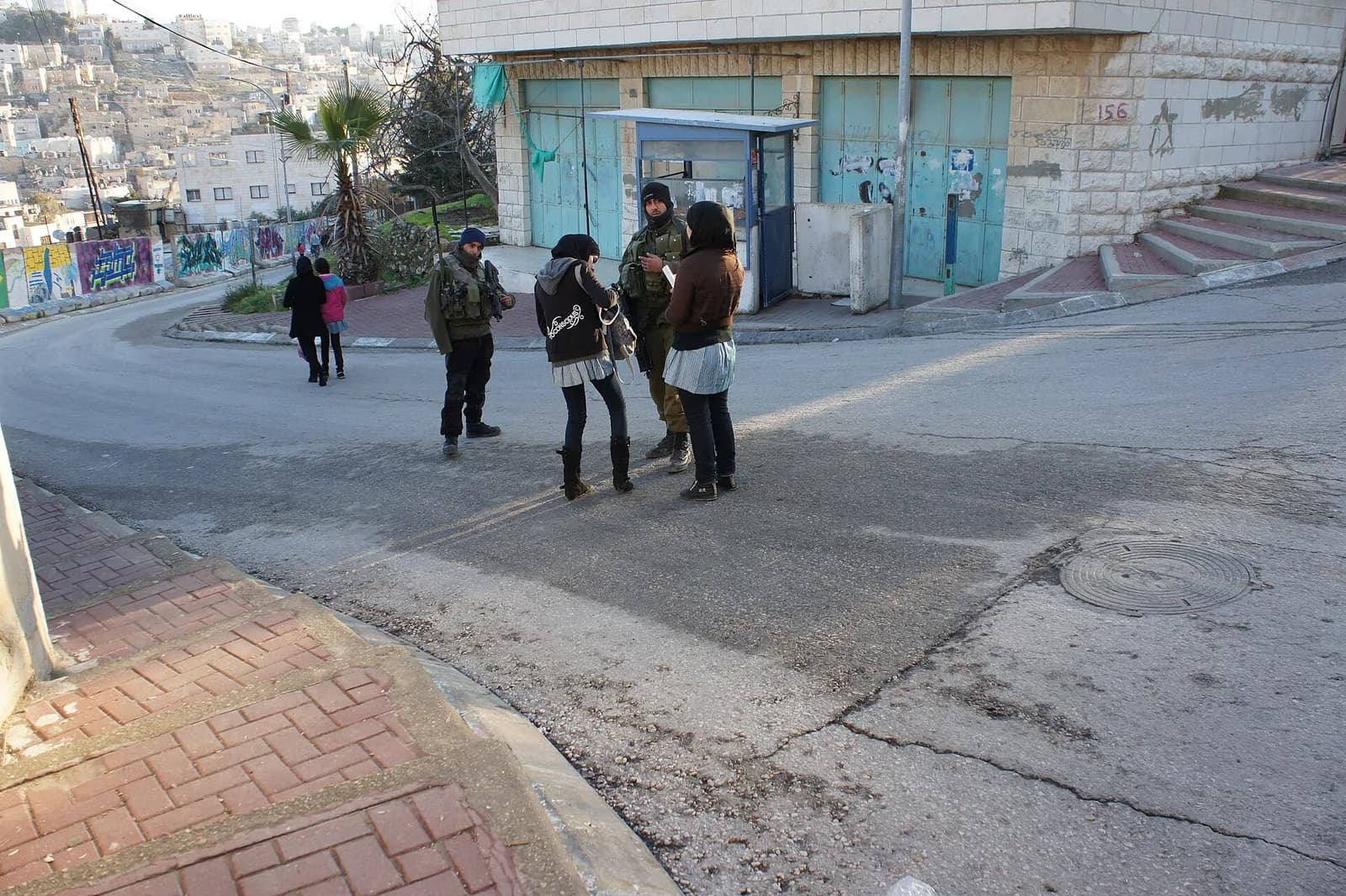
Israeli military bulldozers have flattened homes, shops, workshops and infrastructure in Hebron, leaving at least one entire street apparently levelled, according to local officials. The army has also closed off the city, sharply limiting movement for its roughly 200,000 residents. The operation focused on the Ein Deir Baha and Farsh al-Hawa districts, and spray paint marked houses slated for destruction.[S1][S2][S3][S8]
Hebron's mayor, Youssef al-Jaabari, reported that over 1,000 people lost their homes in the operation, which focused on the Ein Deir Baha and Farsh al-Hawa areas and hit residences, businesses, industrial facilities and infrastructure. He added that dozens of families passed the night in the open, some having been ordered to depart on foot without their cars. According to him, the military aimed to clear around 2,500 people from about 0.35 sq km of city land. The governor and deputy mayor said at least 200 families were displaced.[S1][S5]
The Israel Defense Forces did not immediately answer a BBC request for comment, but said on social media that it was striking dozens of targets across the West Bank and that the campaign would continue for several days. Palestinian families fled their homes without time to prepare as the operation unfolded, according to reports.[S1][S4][S6][S7]
A reprisal ordered from the top
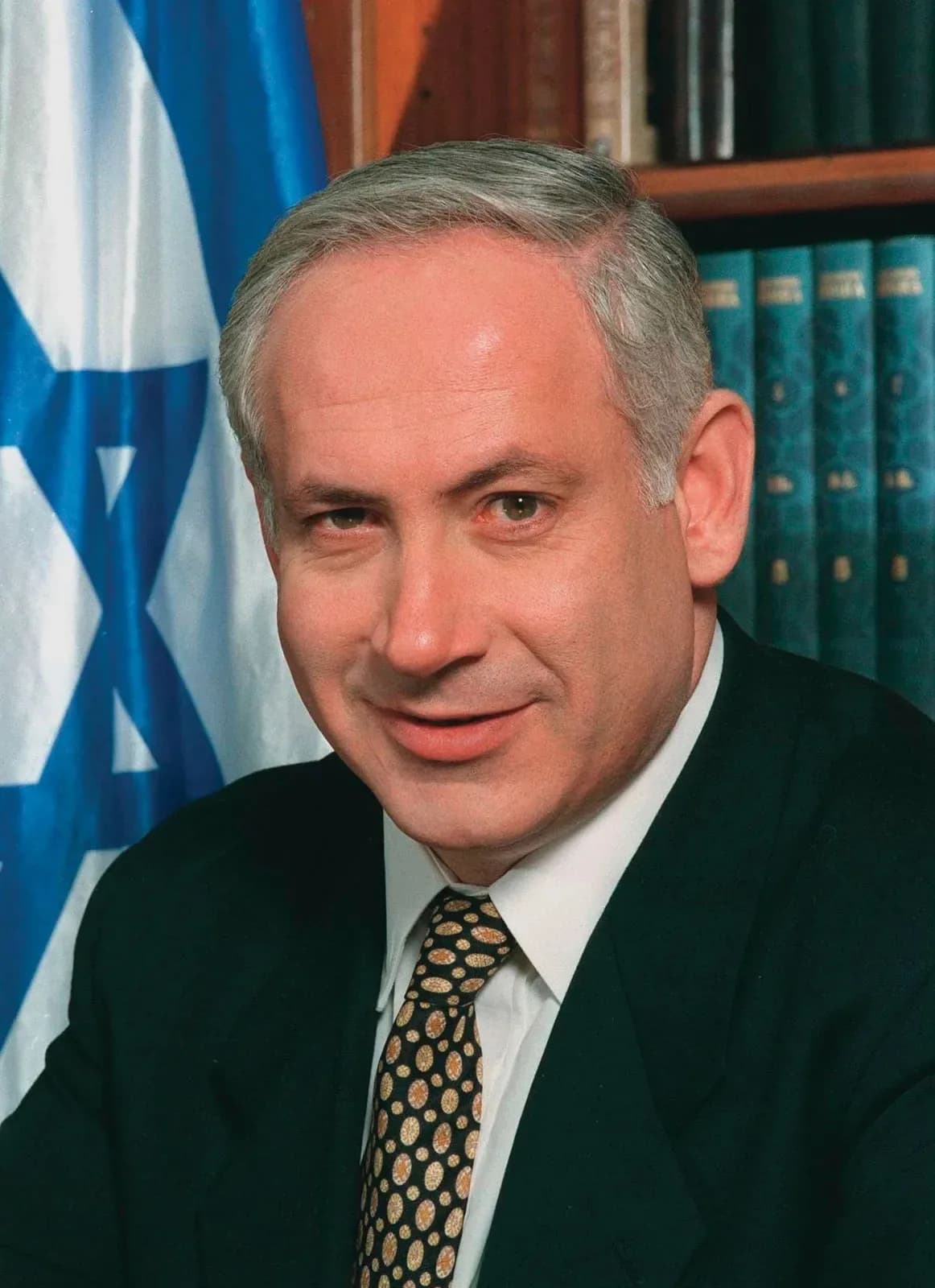
Prime Minister Benjamin Netanyahu announced the operation on Friday after two Palestinian gunmen killed two Israeli soldiers and wounded three others at a checkpoint; both attackers were also killed. Netanyahu said buildings near the attack site and the neighbourhoods the gunmen came from would be destroyed. He described a house-to-house sweep to seize weapons and dismantle what he called terrorist infrastructure.[S1]
Demolishing the houses of Palestinians accused of attacks on Israelis is a common Israeli military practice in the West Bank, and Israeli human rights organisations have criticised it as a form of collective punishment. Netanyahu likened the Hebron operation to previous actions in refugee camps in the northern West Bank, where hundreds of homes were razed and tens of thousands of people were uprooted during 2025.[S1]
Election timing and regional fallout
The checkpoint shooting occurred four days before Israel's general election. Netanyahu, whose campaign has centred on security, cancelled his party's events that morning and travelled to Hebron in protective armour, posting video from the scene. He said he had reviewed plans for the biggest West Bank military operation since 1967, without saying when it might begin, and it remains unclear whether the Hebron action is part of it.[S1]
Speaking to Israel's i24 television channel in an interview released on Saturday, Netanyahu warned of what he described as a very big surprise for the Palestinian Authority, which governs parts of the territory. The PA called for immediate international steps going beyond condemnation in order to halt any further forced displacement. Finance Minister Bezalel Smotrich urged a West Bank campaign exactly like those in Gaza or Lebanon, while National Security Minister Itamar Ben Gvir said the PA should be dismantled.[S1]
Hebron's mayor told journalists the operation was driven by the elections, arguing that Netanyahu and his ministers were courting far-right voters and settlers.[S1]