What Musk Confirmed on the Call
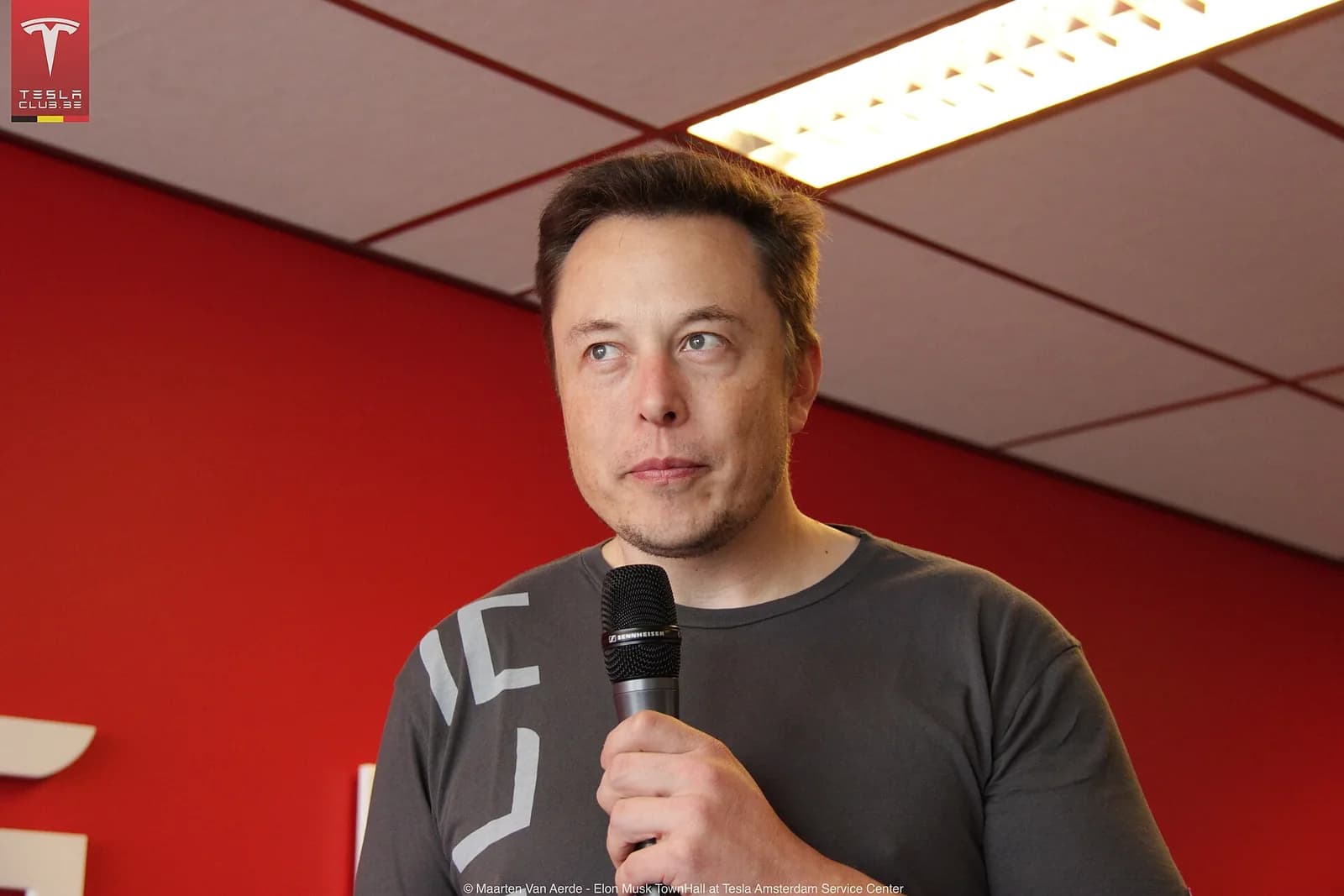
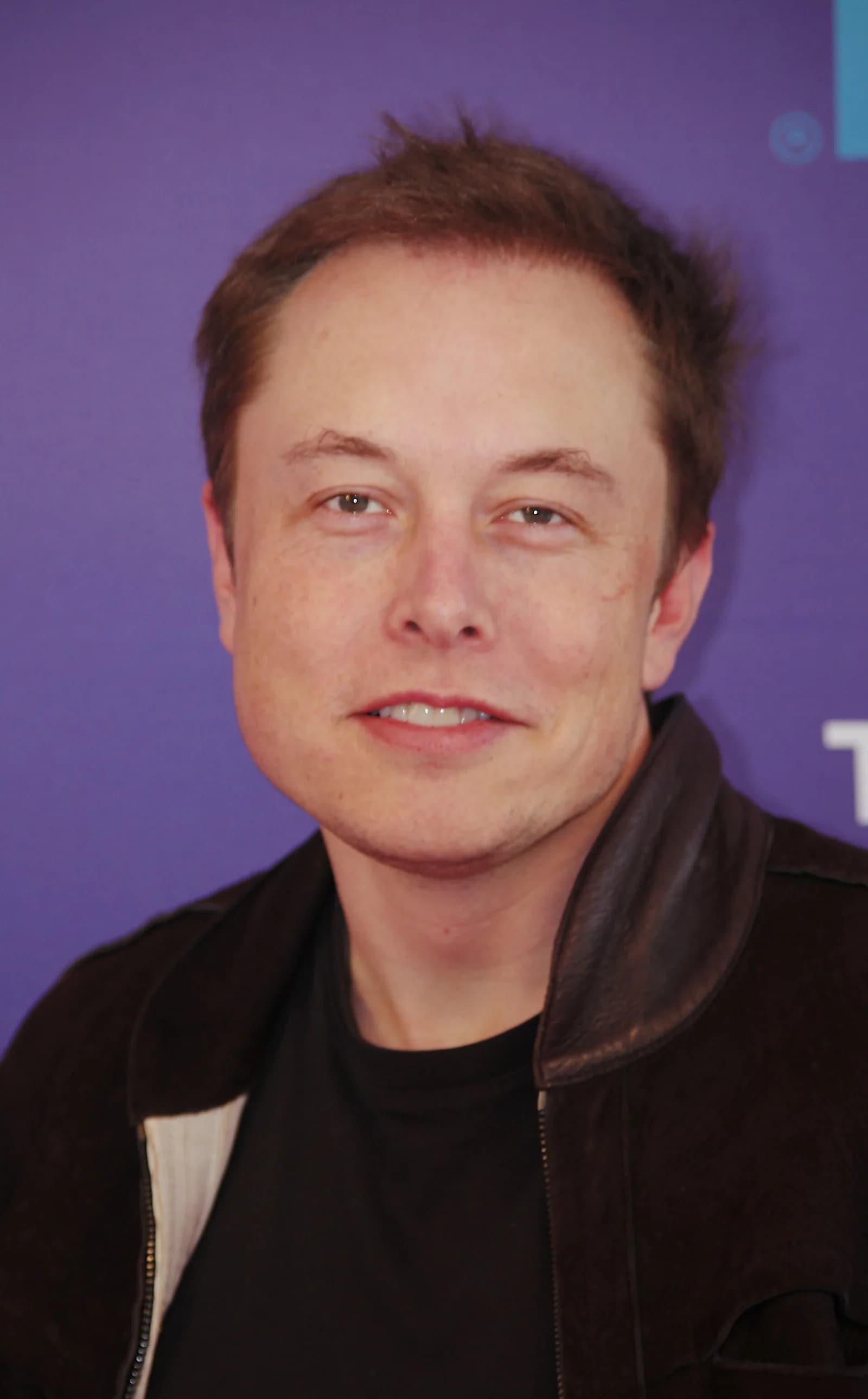
The formal record from the October 20, 2026, SpaceX earnings call is narrow. Elon Musk disclosed that Tesla, Inc. and SpaceX have each set up a special committee of independent directors to examine whether the two businesses should combine. Coverage from WHEC, CryptoPotato, The Motley Fool, The Times of India, Yahoo Finance and Stocktwits made it the week's most-read business item. Nothing beyond the existence of those panels has been settled.[S1][S2]
Musk attached conditions to the disclosure in the same remarks. He stated that the committees had not settled on terms for any transaction and that there was no assurance they ever would. He also said the final word belongs to shareholders, and he described himself as a conflicted party who therefore could not join the committees' discussions. Each of those points limits what investors can reasonably price into the shares at present.[S1]
The chief executive made clear he favors the concept while formally removing himself from deciding it. He indicated that he considered a merger worthwhile and that substantial benefits could follow, yet he paired that enthusiasm with the procedural caveat that no agreement exists. That combination of advocacy and abstention is deliberate, and it frames how the process will unfold from here.[S1]
Confirmed Facts and Open Questions
Merger reporting tends to outrun its evidence, so the boundary between what is documented and what is merely circulating deserves attention. On the record: two independent committees exist, Musk has recused himself, and shareholders hold the ultimate decision. Off the record: any valuation, exchange ratio, completion date or financing plan. Figures for those items appearing on social media have no attributable source behind them.[S1]
Reporting indicated that approval from at least half of Tesla's shareholders would be required. The precise mechanics, including which classes of stock count and how Musk's personal holdings would be treated, were not spelled out in the material available. Those details remain unresolved rather than assumed.[S1]
The threshold still carries weight. Tesla's register includes large index funds, individual investors who track Musk closely, and institutions that have questioned Musk-linked transactions in the past. Winning that group requires a price they regard as fair. Terms seen as generous to SpaceX would invite objections from Tesla holders, while terms seen as stingy would bog down the SpaceX side. Analyst estimates of that price already diverge.[S1]
Why the Recusal Slows Everything Down
Musk leads both companies, so a merger would place him on each side of the bargaining table. Boards typically address that problem by transferring negotiations to directors without a personal stake, which is the function these committees serve. In a conflicted transaction, such a panel retains its own advisers, scrutinizes the price and retains the power to refuse. Its members answer to the shareholders they represent, not to the executive who raised the idea.[S1]
The two committees represent holders with competing interests on price, since a higher valuation for one company means less value for the other. Musk's withdrawal does not make a deal improbable; it makes any deal slower and more closely examined. Investors who expect the chief executive to announce a combination and see the boards fall in line are misreading the sequence. The panels may challenge terms, request revisions, or conclude that combining does not serve their holders.[S1]
Terafab, Chips and the Hardware Case
Among the five areas Musk identified as possible ground for working as one company, the Tesla-SpaceX Terafab semiconductor project is the most tangible. It already operates as a joint effort, which makes it the sharpest test of whether a merger delivers anything a partnership cannot. Earlier reporting covered the project's scale, a $16.8 billion chip plant and a trademark dispute over its branding.[S1]
Chip design sits alongside it. Tesla develops custom silicon for driving and robotics, while SpaceX needs processors for satellites, ground systems and artificial intelligence work. A single company could pool design teams, verification tools and fabrication capacity across both product lines. Two separate firms can achieve the same through contracts, but each contract requires pricing, intellectual property terms and priority rules, and those add friction when capacity is scarce. The case for combining therefore rests on speed and priority in allocating scarce wafers.[S1]