Independent panels open the door to a combination
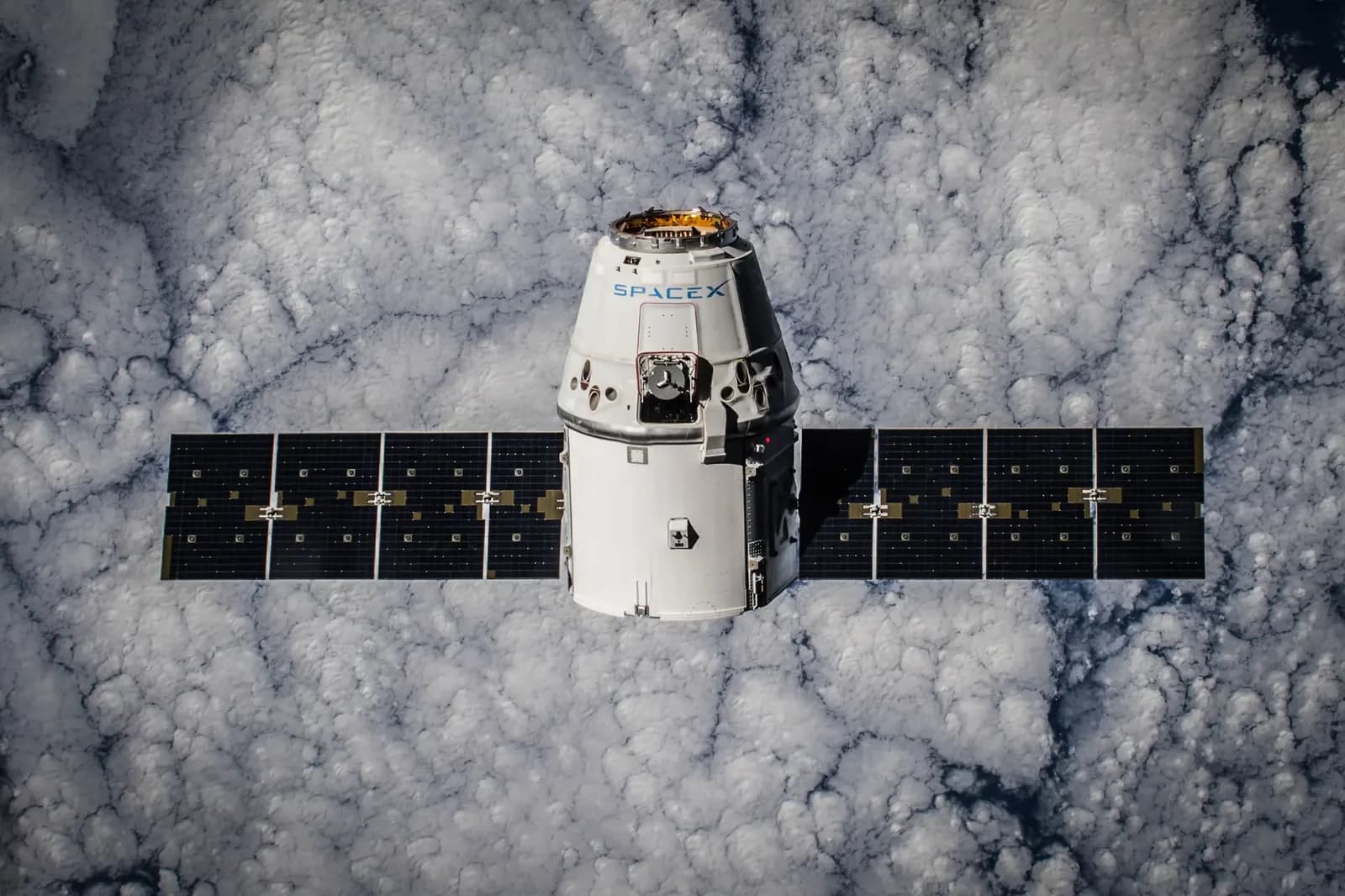
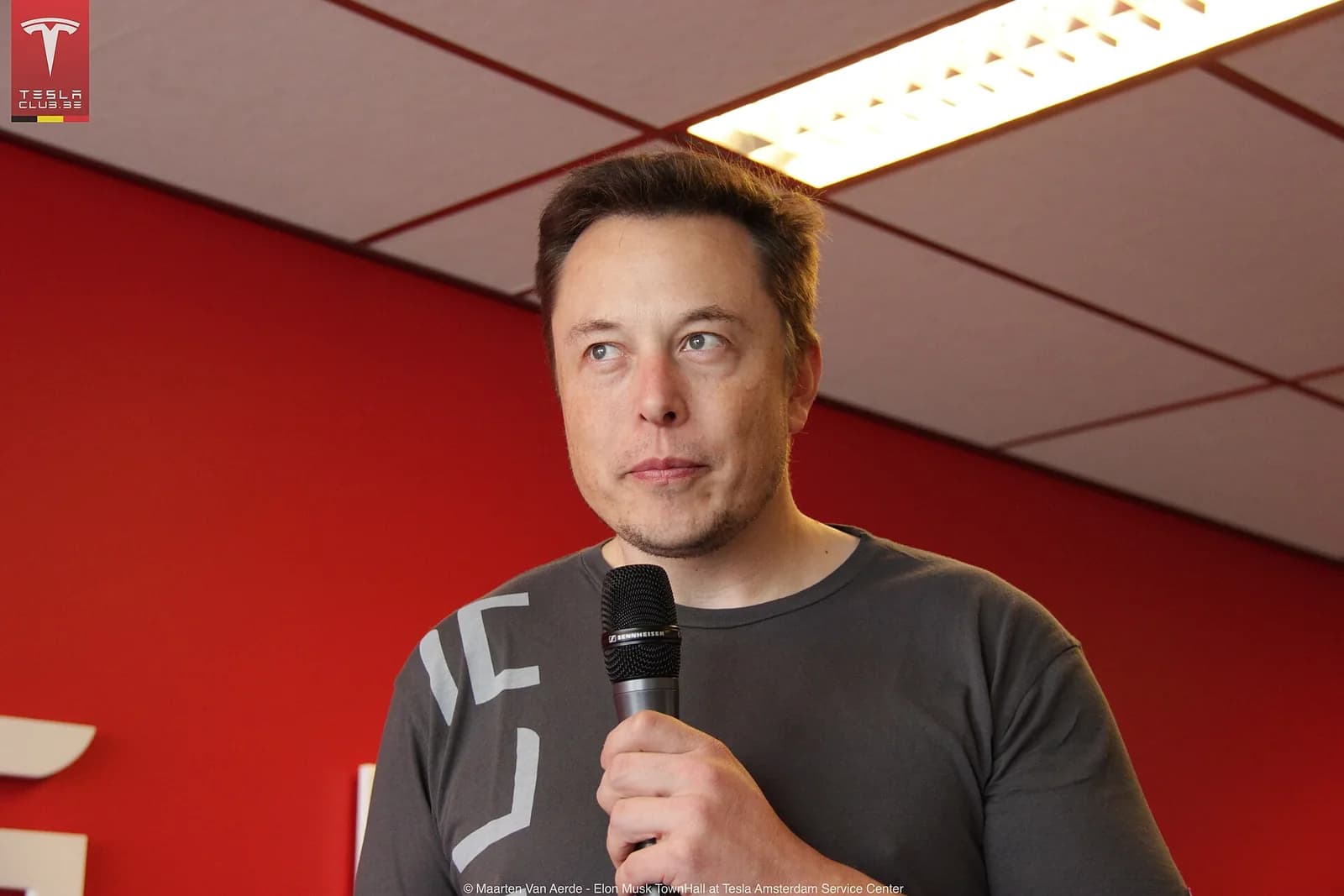
Talk of folding Space Exploration Technologies Corp. and Tesla into a single company has circulated for months, and it gained substance after SpaceX's earnings call on Tuesday, Oct. 20, 2026. Elon Musk told investors that each business has assembled a committee of independent directors to study the possibility, formed at the urging of shareholders. He added that he is unable to join those deliberations because his position makes him a conflicted party, yet he left no doubt about his own view, describing the idea as a good one and saying he sees considerable merit in uniting the two firms.[S1][S2]
Nothing concrete has been disclosed about deal terms, and the process remains exploratory. Even if a proposal emerges, shareholder approval is not assured. Musk holds majority voting power at SpaceX, but Tesla's ownership is spread across many investors, making that vote a far less certain proposition.[S1]
SpaceX's quarter: rapid growth, heavy spending
SpaceX reported a strong third quarter on Tuesday. Sales climbed to $14.6 billion, a 161% increase from the prior year, and net income reached $4.4 billion, with both figures surpassing Wall Street expectations. Artificial intelligence was the largest engine of growth, as AI compute contracts pushed that unit's revenue to $7.6 billion, nearly three times what it generated in the second quarter. Starlink also remained a significant contributor and a solid source of profit, with the connectivity segment posting $2.4 billion in operating income.[S1]
That expansion carries an enormous price tag. Capital expenditures totaled $19.6 billion during the quarter, and the company expects to lay out another $35 billion to $40 billion in the fourth quarter.[S1]
Tesla's mixed results as its focus shifts
Tesla's quarter was far less uniform. Revenue was roughly unchanged from a year earlier at $28 billion, while net income dropped 43% to $787 million. Vehicle deliveries declined slightly, and operating costs rose as the company redirected resources toward artificial intelligence and robotics.[S1]
Understand this article deeper
Operationally there were encouraging signs. Tesla introduced Cybercab in Austin in September and reported that cumulative unsupervised Robotaxi miles multiplied eightfold from the previous quarter. It also started building Optimus robots at its Fremont lines. Free cash flow, the money remaining after operating costs and capital investment, came to about $1.5 billion, recovering from a negative figure in the prior quarter.[S1]
Scale, rationale and the hurdles ahead
Dan Ives, a partner and senior managing director at Yorkville Ives & Co., told CBS News the transaction could be valued at close to $5 trillion, which would make it the biggest deal in corporate history. SpaceX is currently worth $1.98 trillion and Tesla about $1.5 trillion, and Ives expects Tesla holders to insist on a premium, likely in the range of $500 to $550 per share, before agreeing. A combined entity on that scale would stand alongside the world's most valuable companies, such as Nvidia at $5.2 trillion and Apple at $4.95 trillion.[S2]
Musk frames the strategic case around a future in which artificial intelligence becomes central to daily life. He pointed to cooperation on superintelligence software, chip design, the planned Terafab facility, robotics and launching mass to orbit with the Starmind constellation. Tesla is already moving away from traditional vehicles, having said in January that it would end production of the Model S and Model X, and it aims to build a million humanoid robots annually, with Optimus possibly reaching the market in 2027. SpaceX owns xAI, the unit behind the Grok chatbot used in X and other Musk products, and the Terafab chip plant is intended to link the businesses through semiconductor manufacturing.[S2]
Whether a deal materializes is another matter. A proposal may well reach the table, but completing it could prove harder than some investors assume. Tesla shareholders must first be persuaded, and regulators could subject any combination to serious scrutiny. Ultimately, the terms will decide the outcome, and investors would be wise to weigh any offer on its price and on what it delivers for the business they already hold.[S1]