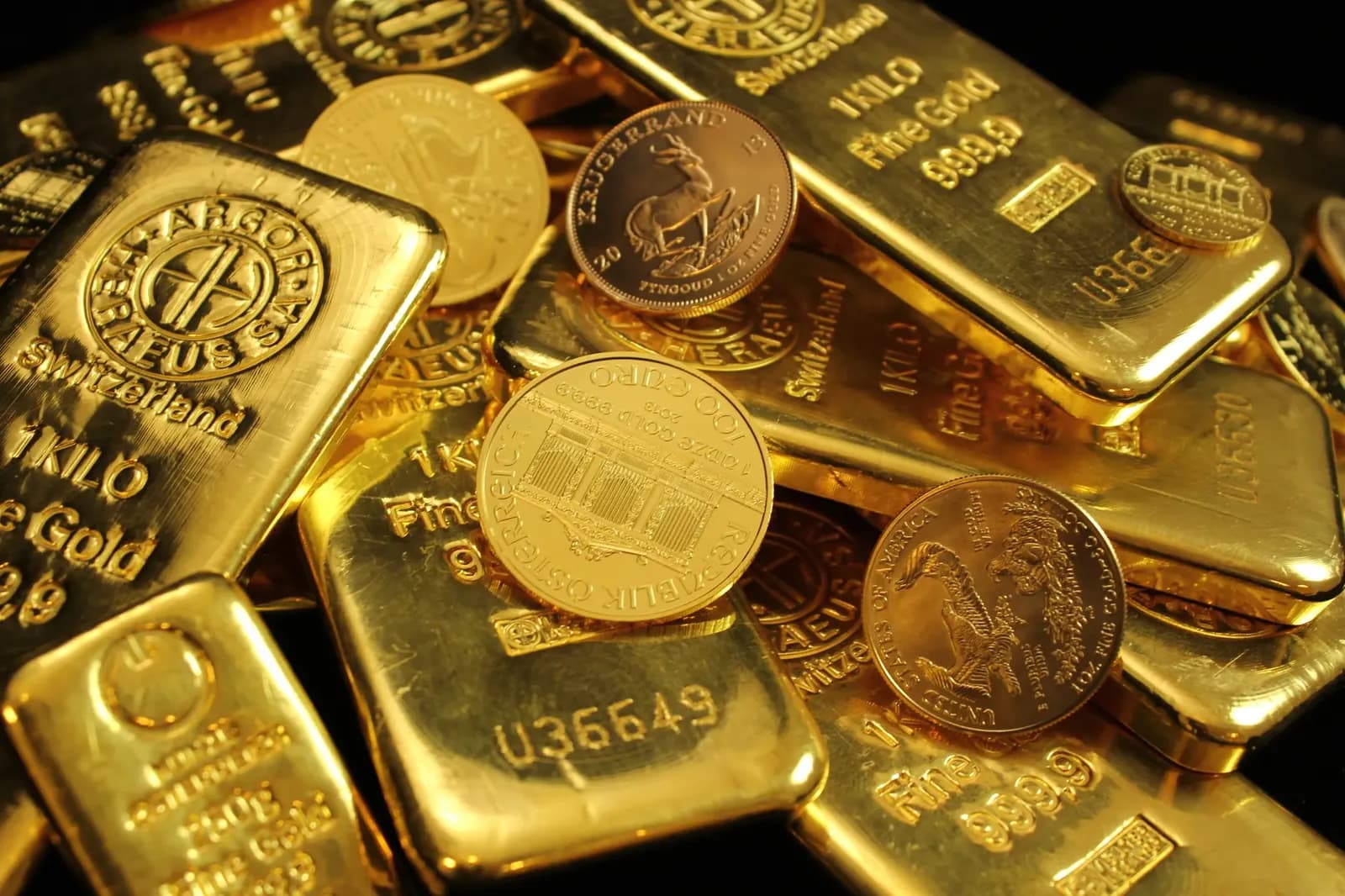
When I read that the Federal Reserve has raised its target range to 3.75%–4%, and that gold fell more than one percent in a single day, I would ask first what is being measured. The word value, as I have observed, has two different meanings: it sometimes expresses the utility of some particular object, and sometimes the power of purchasing other goods which the possession of that object conveys. Gold has great value in exchange; its value in use, apart from ornament and a few arts, is not what moves the market. What moved in this episode was the power of purchasing other goods that gold commands against a dollar that the higher rate had strengthened.
The article tells us the stronger greenback raised the cost of purchasing gold for overseas buyers, and that the opportunity cost of holding a metal which bears no interest rises when rates rise, driving capital toward higher-yielding assets. I would distinguish here between the nominal and the real. The price of gold in dollars fell; whether the quantity of labor it can command fell in the same proportion is another question, and the article does not settle it. A higher rate alters the proportion between the value of capital and the value of its use; it does not by itself tell us what gold is worth in the general market of goods.
I would also note what the article leaves open. It attributes the decline to the combined effects of the rate decision, a stronger dollar, persistent inflation, and geopolitical pressures, and it reports the chairman's emphasis on price stability. These are several causes acting at once, and I would not pretend to separate them from a single day's price. The market price of a commodity may depart from its natural price, and the causes which raise or sink the parts of price are not always visible in the quotation. What I would watch is the arrangement of incentives: what capital is drawn toward, and what the holders of gold expect to be able to purchase with it later.