Approval and votes
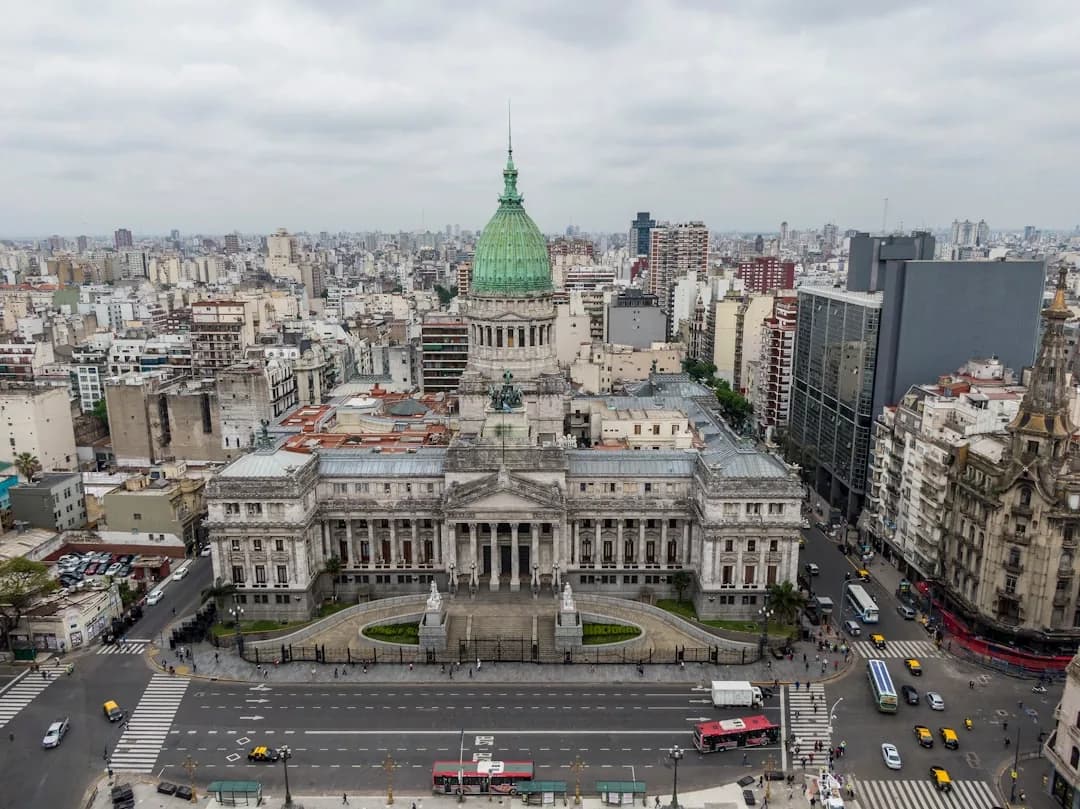
The Senate converted into law the reform of the Cold Zone regime, which modifies the subsidy scheme for gas in low-temperature areas. The initiative obtained 38 votes in favor and 8 against, with no abstentions. The project had half a sanction from the Chamber of Deputies since the end of May. The ruling party La Libertad Avanza secured the support of the PRO and other allies, while the Peronist bloc decided not to vote. The radicalism voted divided.[S1][S2][S4][S5]
The session was tense. When the debate on Cold Zones began, the Peronist bloc withdrew from the chamber. Its president, José Mayans, argued that the issue required a deeper treatment and announced that they would not continue in the room. The Peronists did not give quorum at the time of the vote and did not speak. The head of the LLA bloc, Patricia Bullrich, had to bring forward the vote to prevent a maneuver by Peronism to leave the debate without quorum. The law was approved with the support of LLA, the PRO, five radicals and representatives of Salta, Misiones, Catamarca, Tucumán, Neuquén and Chubut, plus Carlos Espínola of Provincias Unidas.[S1][S3][S6]
What the new law changes
The reform modifies the law that grants gas subsidies in cold zones, a regime that had been expanded in June 2021 through a project by Máximo Kirchner. The new norm restricts the benefit to the Patagonia region, the department of Malargüe in Mendoza and the Puna. It thus excludes more than 90 municipalities in the province of Buenos Aires, including high-consumption urban centers such as Mar del Plata, Bahía Blanca, Olavarría and Tandil, as well as departments in Córdoba, Santa Fe and La Pampa. The discount will no longer be applied based on geographic location but through a segmentation system focused on the socioeconomic vulnerability of users.[S1][S2][S4][S6]
For temperate and intermediate zones, the benefit will be assigned exclusively to households with monthly income equal to or less than 3 Total Basic Baskets (CBT) for a type 2 household of INDEC, equivalent to about 4.4 million pesos for a family of four. Households with a member holding a Lifetime Pension for Malvinas Veterans or a Family Housing Certificate (ReNaBaP) will qualify automatically, regardless of income. Households with a member holding the Unique Disability Certificate (CUD) will be subject to later review by the Secretariat of Energy. The discount will be calculated only on the gas price component and not on the total bill issued by distributors.[S2][S6]
Negotiations and impact
The approval was part of an agreement between the Casa Rosada and the governors of the Norte Grande. The negotiations were led by Chief of Staff Diego Santilli and Economy Minister Luis Caputo. The understanding included legislative support for the project in exchange for compensation for the provinces of northern Argentina, consisting of national aid to finance electricity rates during the hot months. The government expects savings of between 200,000 and 480,000 million pesos, according to estimates from the Energy portfolio, which justified the restructuring by stating that the trust fund was insufficiently financed to cover the entire population added in the 2021 expansion.[S3][S4][S5]
The reform generated criticism from the opposition. The Peronist bloc denounced a wave of tariff increases and argued that the government has dollarized rates. The radical senator Maximiliano Abad warned that the measure is a tremendous blow for the province of Buenos Aires, where more than one million households will be left unprotected, and pointed out that winters in Bahía Blanca are much colder than those in Comodoro Rivadavia. Consultancies and sector entities project increases in final bills that, depending on each household's consumption level, will range from 25% to over 80% or 100% during the months of highest consumption.[S3][S4][S6]