Prices surge after a wave of attacks
Oil prices climbed to their highest point in five months on Thursday, with Brent crude, the international benchmark, gaining 3% to reach $112 a barrel for the first time since 18 May. The advance followed attacks inside Saudi Arabia and damage to tankers in the Strait of Hormuz, which together heightened concern that crude flows could be disrupted further.[S1][S2]
Yemeni Houthi forces, who are aligned with Iran, struck several targets in Saudi Arabia on Wednesday. Two people were killed and eight wounded at a civilian airport in Dammam, and a drone attack on a Saudi oilfield killed two more people.[S1]
Iran warns of a wider response
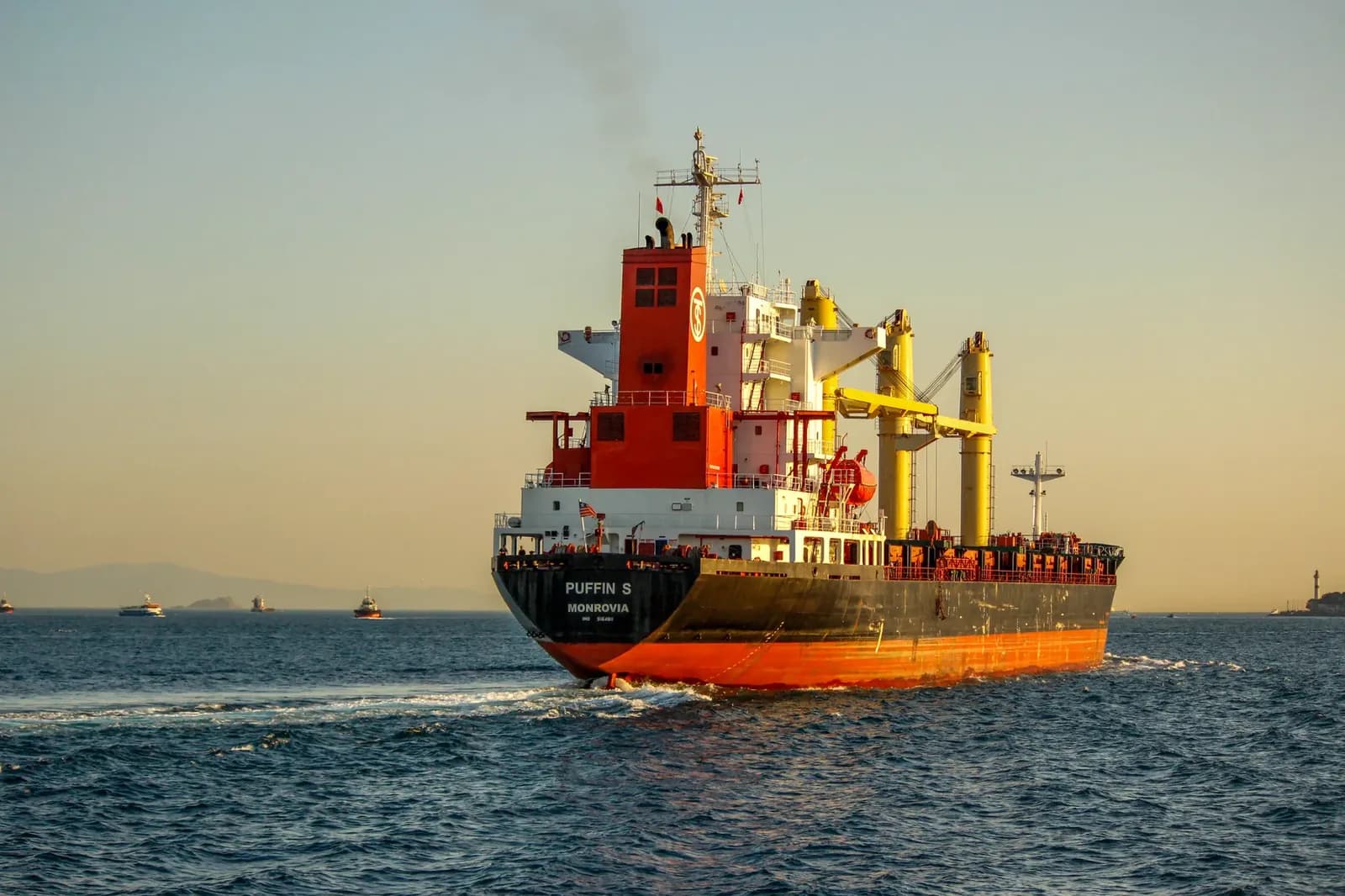
The Iranian Islamic Revolutionary Guard Corps said four vessels engaged in what it called illegal oil transfers in the northern Gulf were tracked by its forces on Wednesday and then caught fire after being hit. It also reported that three additional vessels struck mines west of the Strait of Hormuz, and it cautioned Washington that further provocations could trigger a broader response against American bases in the region.[S1]
The United States has instructed some diplomats and their family members to leave missions in Saudi Arabia and intends to pull family members from several other posts in the Middle East, according to Reuters. The agency also reported that Saudi Aramco told staff to leave its Dhahran headquarters and work remotely.[S1]
Understand this article deeper
A conflict nearly eight months old
Fears of a deeper regional conflict are mounting almost eight months after Tehran effectively closed the Strait of Hormuz, an action that many expected to cause the largest energy supply shock in market history. In the weeks following US-Israeli strikes on Iran, crude passed $100 a barrel and observers projected prices as high as $150 as traffic through the strait stopped.[S1]
Oil reached a peak of $126 a barrel in April during the fighting, then slipped below $100 in late May and down to $71 at the start of July as hopes of a ceasefire took hold. Prices began rising again once the memorandum of understanding between Washington and Tehran collapsed and hostilities resumed in the Gulf. Data from Kpler nonetheless shows Persian Gulf oil exports now exceeding their prewar levels, helped in part by more crude moving overland through pipelines to the Red Sea and the Gulf of Oman.[S1]
Markets brace for higher costs
Equity markets weakened on Thursday as investors anticipated higher inflation and borrowing costs. The Stoxx Europe 600 fell 1%, the UK's FTSE 100 lost 0.7%, Japan's Nikkei 225 dropped 2.7%, South Korea's Kospi declined 3.5% and Hong Kong's Hang Seng shed 3%.[S1]
American Airlines shares fell almost 4% before the market opened after the carrier warned that expensive fuel would push it to a loss this year. It withdrew an earlier forecast that it could post a profit, citing what it described as historic pressure from fuel costs.[S1]