An unannounced arrival in the Saudi capital
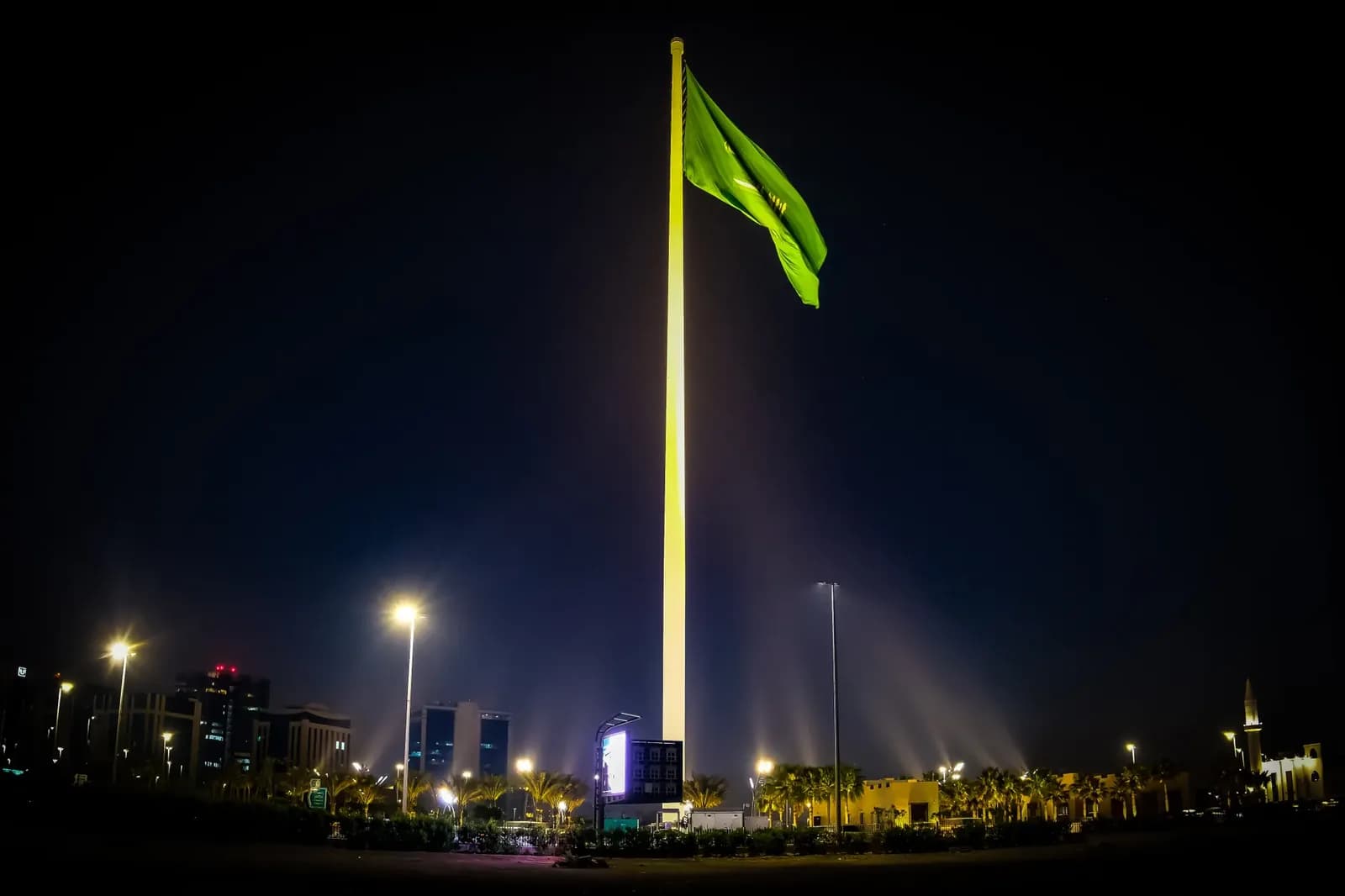
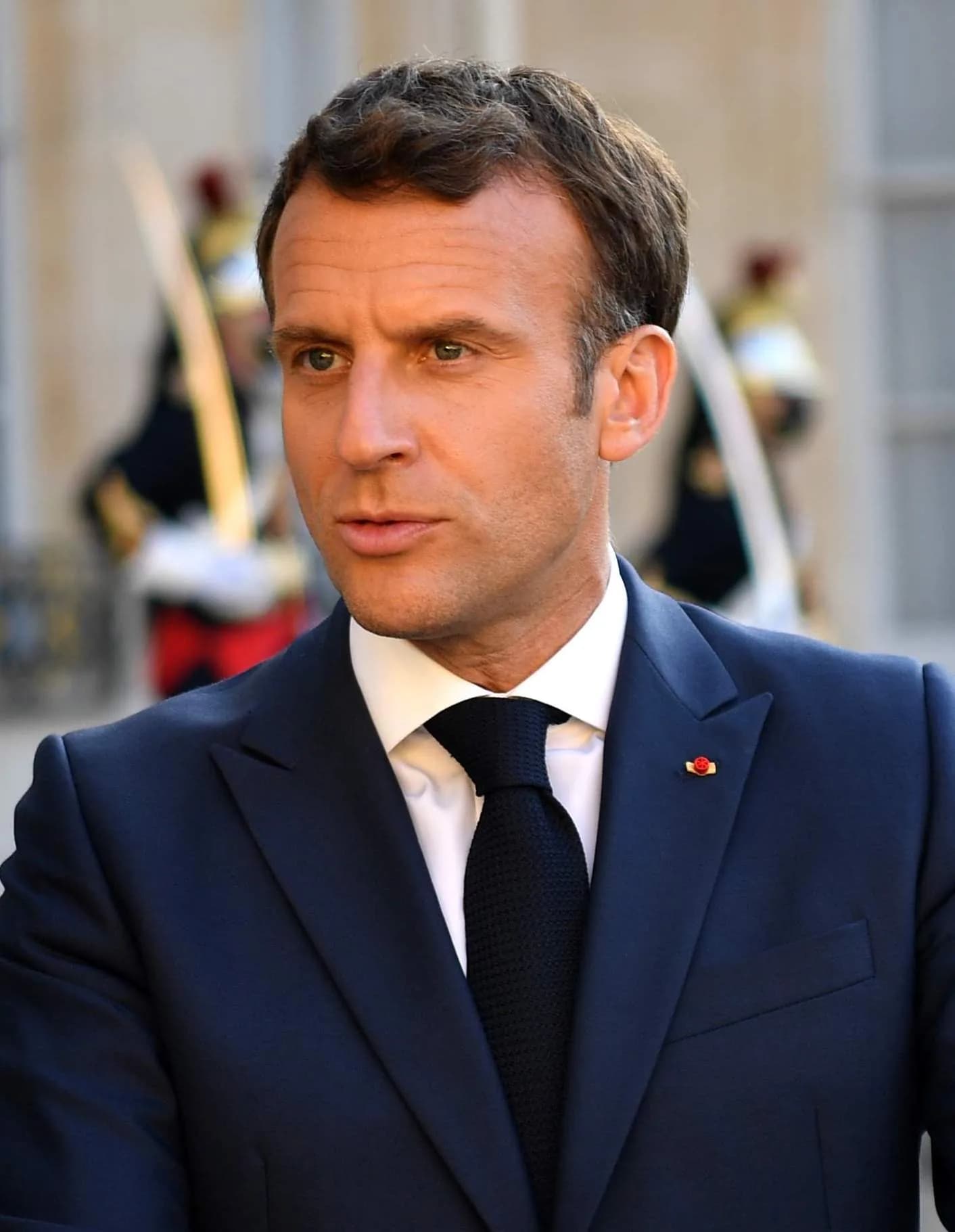
French President Emmanuel Macron touched down in Riyadh on Wednesday for an unannounced visit, where he was scheduled to meet Crown Prince Mohammed bin Salman. He becomes the first Western leader to reach the kingdom since Yemen's Iran-backed Houthis stepped up their attacks this month. An AFP journalist observed the presidential aircraft land in the Saudi capital.[S1][S2]
According to a statement from the French presidency, Macron traveled to Saudi Arabia that afternoon to sit down with the crown prince. The visit was intended to show France standing with the kingdom against Houthi strikes on its soil and to press ahead with efforts to secure and diversify hydrocarbon supplies, the statement added.[S1]
Fuel diplomacy amid unrest at home
The Saudi stop forms part of a wider Gulf swing through which Macron is pursuing diesel and petrol supplies in an effort to bring down energy prices. Those prices have fed violent protests in France over the cost of living, creating a political crisis for the president. During the tour he has already locked in an extra 200,000 tonnes of diesel a month from the United Arab Emirates and Bahrain, along with two terawatt-hours a month of liquefied natural gas from Qatar.[S1][S2]
Responding to criticism at home over the Gulf trip, Macron told reporters he was simply carrying out his duties and trying to calm tensions over gas prices, which rank among the drivers of French social unrest. He said there should be no appearance of nervousness and described himself as fulfilling his role and remaining at his post.[S2]
Understand this article deeper
Defending Yanbu and a widening conflict
Earlier on Wednesday, speaking in the Qatari capital, Macron said French troops had been sent to help protect the Yanbu oil terminal on Saudi Arabia's Red Sea coast from Houthi attacks. He noted that personnel and equipment had been in place for eight days and that France was cooperating with Riyadh in a defensive capacity, while stressing the importance of resuming discussions with the group.[S2]
The world's largest crude exporter had come to depend on Yanbu for its oil shipments after Iran blockaded the Strait of Hormuz at the outset of the Middle East war. Last month Macron said on television that France would dispatch military means to shield the terminal. On Tuesday, the British government announced it would send fighter aircraft to help Saudi Arabia defend itself against the escalating Houthi attacks.[S2]
Houthi strikes have reached an unprecedented scale in recent weeks, forcing Riyadh's airport to close and a major investment conference to be postponed, while an attempt to blockade Saudi ports is also disrupting the kingdom's oil exports. The current round of hostilities traces back to July, when a fragile 2022 truce collapsed after the Houthis permitted an Iranian plane to land in Sanaa despite Riyadh's control of Yemeni airspace. The group later declared a maritime blockade of Saudi Arabia, striking ships, territory and oil facilities, and in September seized government-held territory along the Red Sea coast in a rapid campaign. Saudi air forces have responded by regularly targeting the group in support of the Yemeni government.[S1][S2]