A departure timed before the French vote
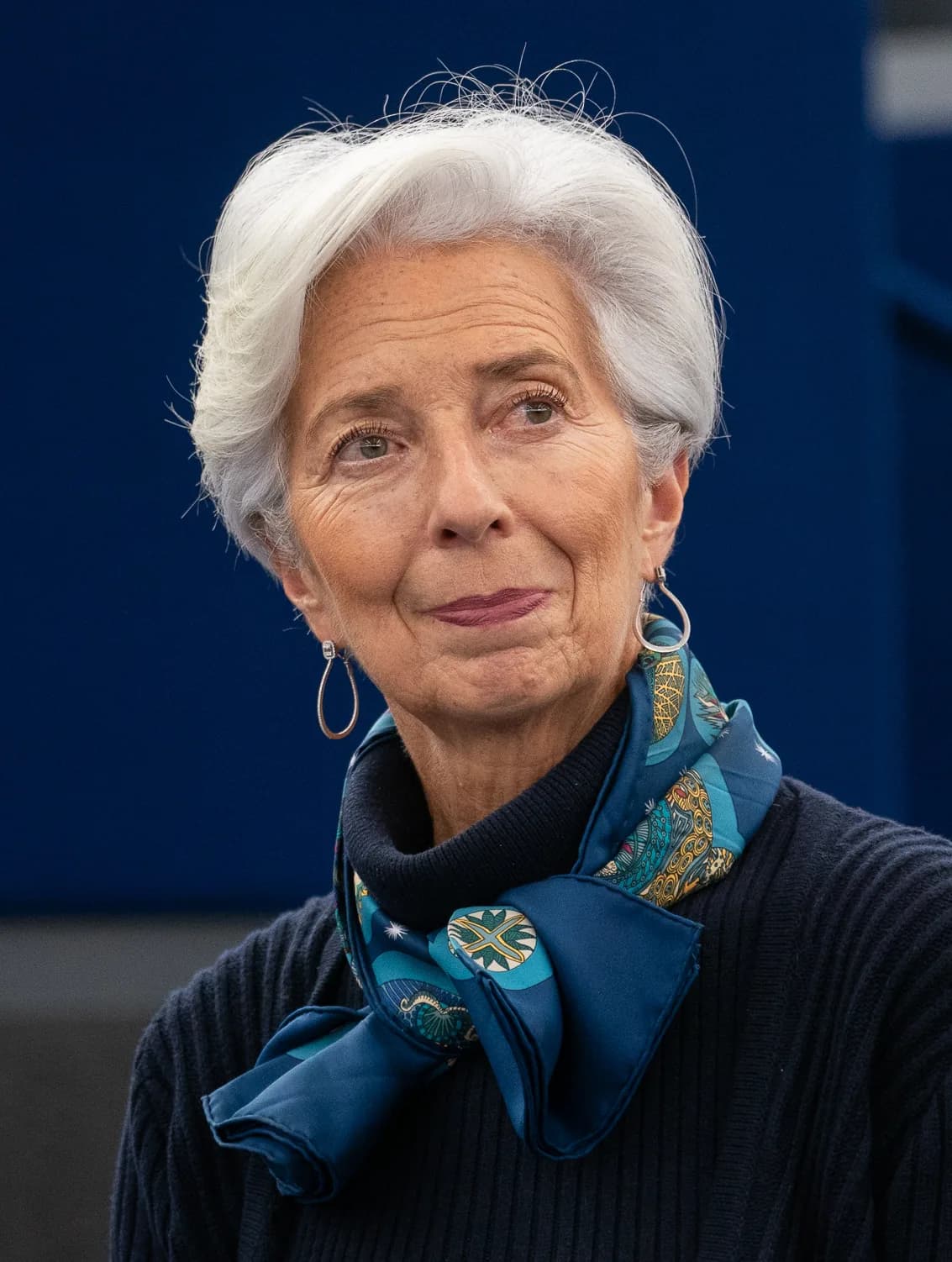
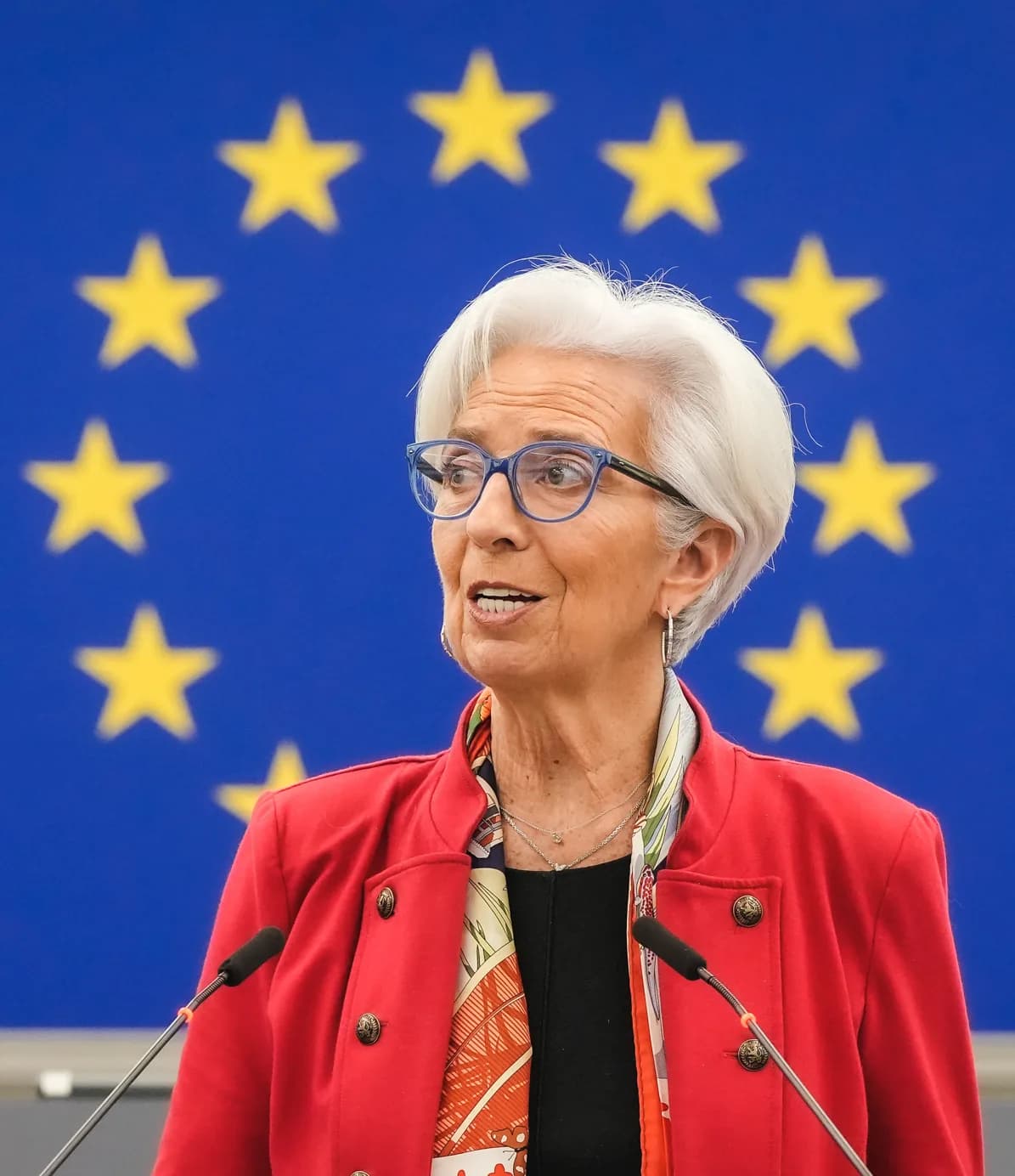
Christine Lagarde has decided to leave the European Central Bank presidency on February 7, 2027, according to WealthBriefing. Her exit falls ahead of the French presidential election, which means whoever wins that contest will not take part in selecting her replacement. Felix Feather, an economist at Aberdeen Investments, described that timing as especially consequential given the political and fiscal uncertainty around France.[S1][S2][S3][S4][S5][S7]
The announcement came in the same week that both major central banks left policy settings untouched. The ECB's deposit rate remains at 2.5%, while the Federal Open Market Committee kept the Fed funds target range at 3.75% to 4.00%. Both outcomes matched what markets had anticipated, and the Lagarde news quickly overshadowed the rate decisions themselves.[S1][S6][S8]
Succession race and the policy stakes
Feather said Aberdeen does not anticipate that a change at the top will shift the near-term rate path, though he expects markets to track the succession closely while pressure on French government debt continues. He noted that candidates differ in their views on unconventional tools such as the transmission protection instrument, and he expects additional hikes in December and March.[S1]
Conor Parle, eurozone economist at Fidelity International, said Lagarde's early exit opens discussions not only about her post but also about the board seats held by Isabel Schnabel and Philip Lane. He named Pablo Hernandez De Cos and Klaas Knot as the current frontrunners for the presidency, judging that either would likely deliver continuity and is regarded as a credible voice in economics and central banking. Should one of them be appointed, Parle expects German and French policymakers to fill the remaining board positions.[S1]
Neil Birrell, chief investment officer at Premier Miton, said the incoming president will inherit an environment in which rate increases are expected through next year, with energy prices creating upside risk for inflation and downside risk for growth. He called that a difficult backdrop and said staying aligned with the curve, rather than running behind or ahead of it, will be a demanding task.[S1]
Inflation, French debt and market reaction
Lale Akoner, global market strategist at etoro, said Lagarde's departure introduces uncertainty at an awkward juncture, with inflation elevated and French bonds under pressure. The limited initial market response, in Akoner's reading, indicates that investors are pricing in policy continuity rather than a sharp change of direction.[S1]
Akoner argued that the larger risk for investors is a further rise in French borrowing costs that spreads into bank and corporate funding, weighing on growth and equities. A credible appointment could calm markets but would not fix France's public finances, Akoner added. The strategist favors European companies that generate strong cash and carry manageable debt, and sees French bonds as potentially attractive only if higher yields come with credible fiscal progress and a dependable ECB framework.[S1]
Indosuez Wealth Management's chief strategist Bénédicte Kukla described the ECB as caught between opposing pressures. On one side, she cited stubborn energy inflation and the chance of food prices rising again, noting euro-area inflation is set to top 4% year-on-year in October, while core inflation, stripping out food and energy, should stay broadly flat yet remain above target near 2.5%. On the other, she said tighter financing conditions reflected in European bond markets and the latest ECB bank lending survey support a more dovish approach.[S1]
The Fed's pause and its calendar change
Daniele Antonucci, chief investment officer at Quintet Private Bank, the parent of Brown Shipley, said the Fed's decision to hold was no surprise. He expects one more increase in December but characterized it as a limited adjustment rather than the beginning of another large tightening cycle.[S1]
Jon Butcher, senior US economist at Aberdeen, said the hold looks like a short pause to assess conditions before a likely December hike rather than a signal that no further tightening is required. He also noted that Warsh announced a change to the FOMC calendar, cutting policy decisions from eight to six a year starting in 2028 and devoting the other two meetings to strategic and framework discussions. Aberdeen continues to expect Fed hikes in December and March, and Butcher said the Fed still has work to do to show it is committed to bringing inflation back to 2%, though the inflation data do not yet justify a prolonged hiking cycle.[S1]