Indexes close in the green after the Fed stands pat
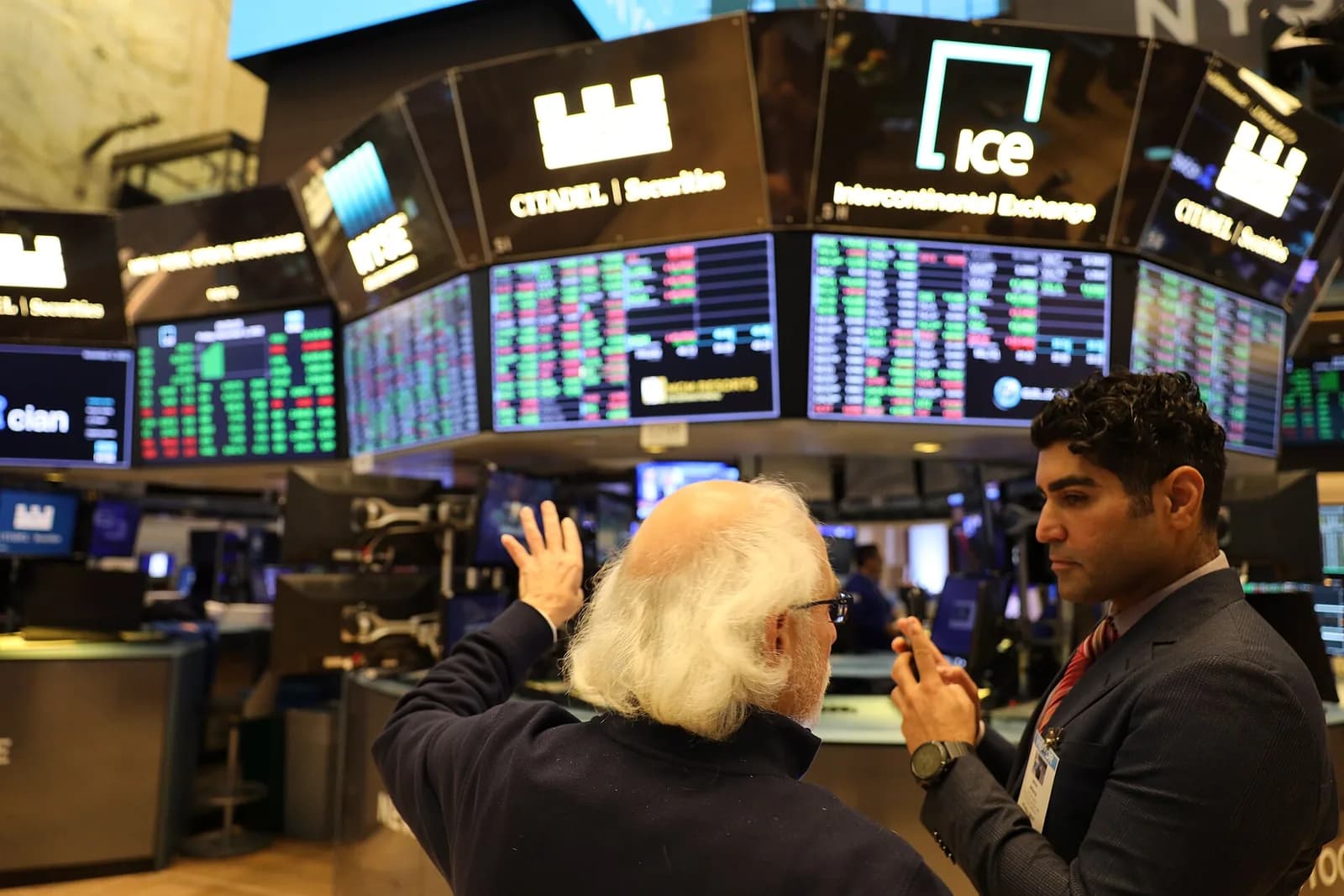
All three major US indexes ended the session higher on Oct. 28 after the Federal Reserve chose not to change its benchmark interest rate. The S&P 500 climbed 0.28% to 7,744, the Nasdaq Composite advanced 0.27% to 26,550, and the Dow Jones Industrial Average added 0.19% to 52,475. The decision had been widely anticipated by market participants.[S1][S2][S3][S4][S5]
Energy shares posted the strongest sector performance of the day, while real estate and utilities lost ground. Gold traded at $4,068.14 an ounce at the US close, a gain of 0.10%. The yield on the 10-year Treasury note moved up 0.02% to 5.02%, crossing the 5% mark as traders assessed what the rate decision means for the months ahead.[S1]
Vertiv, Oracle and Wingstop jump; F5 slides
Vertiv Holdings climbed nearly 17% after issuing optimistic long-range forecasts for demand tied to artificial intelligence infrastructure. Oracle gained 11% following an investor day at which it laid out fresh financial targets. Wingstop also rose after its third-quarter earnings came in above what analysts had projected.[S1]
F5 was the session's sharpest decliner, falling more than 20% as investors digested the company's guidance and a downgrade from an analyst. The split between winners and losers underlined how stock-specific news drove individual names even as the broader indexes moved only modestly.[S1]
Fed signals inflation focus; December meeting in view
The central bank kept rates where they were, matching expectations. Chair Kevin Warsh emphasized that the committee remains committed to bringing inflation down, and officials indicated that additional economic data would shape rate decisions at their next gathering in December.[S1]
Alphabet and Microsoft earnings diverge after the bell
Quarterly results from Alphabet and Microsoft arrived after the closing bell. Microsoft exceeded analyst expectations, with particular strength in its Azure cloud computing unit. Alphabet moved the other way: its shares slipped in after-hours trading once revenue and sales came in below what analysts had predicted.[S1]
The contrasting outcomes suggest technology stocks could see renewed volatility in the next session, since Alphabet's numbers raise doubts about whether the industry's heavy spending on AI infrastructure can be sustained. Looking more broadly, investors appear to be assessing megacap technology companies one by one, weighing each firm's results and its capacity to generate revenue.[S1]