A daily push from Jerusalem
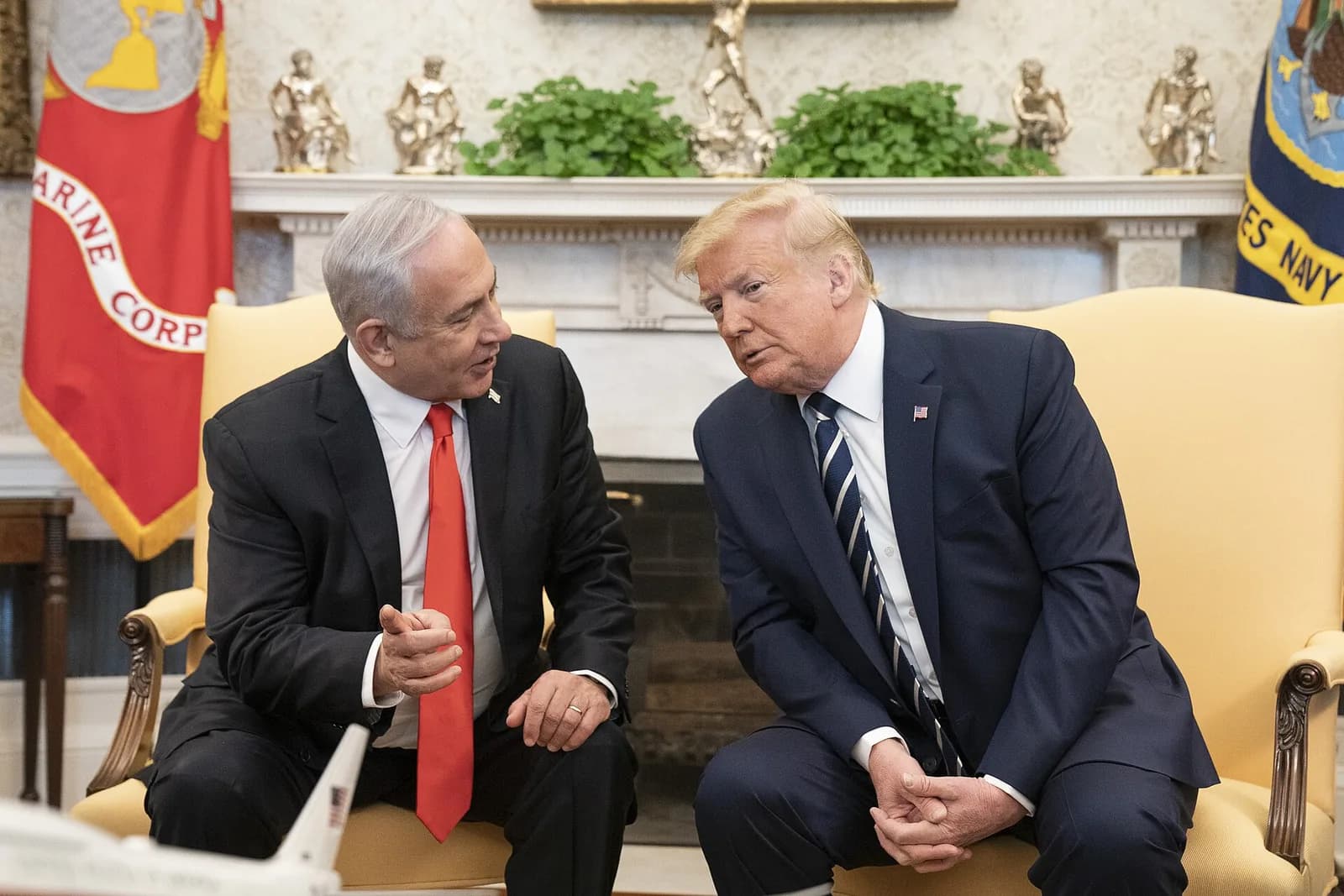
Israeli Prime Minister Benjamin Netanyahu has been telephoning US President Donald Trump every day to press for a resumption of military operations against Iran, according to a Financial Times report published Monday. The caretaker premier is also said to be seeking strikes aimed at bringing down Tehran's government. A person briefed on the discussions said Netanyahu makes the call daily to urge a return to war, while opponents of renewed hostilities inside and outside the White House work to offset that pressure.[S1][S2][S3][S4][S5][S6][S7][S8]
A second individual with knowledge of the Israeli position said Netanyahu favors renewed military action but that no coordinated effort to sway Trump was under way at present. The report also noted pushback within the White House, where officials skeptical of another round of fighting have been trying to blunt the Israeli pressure campaign.[S1][S8]
Gulf states favor the status quo
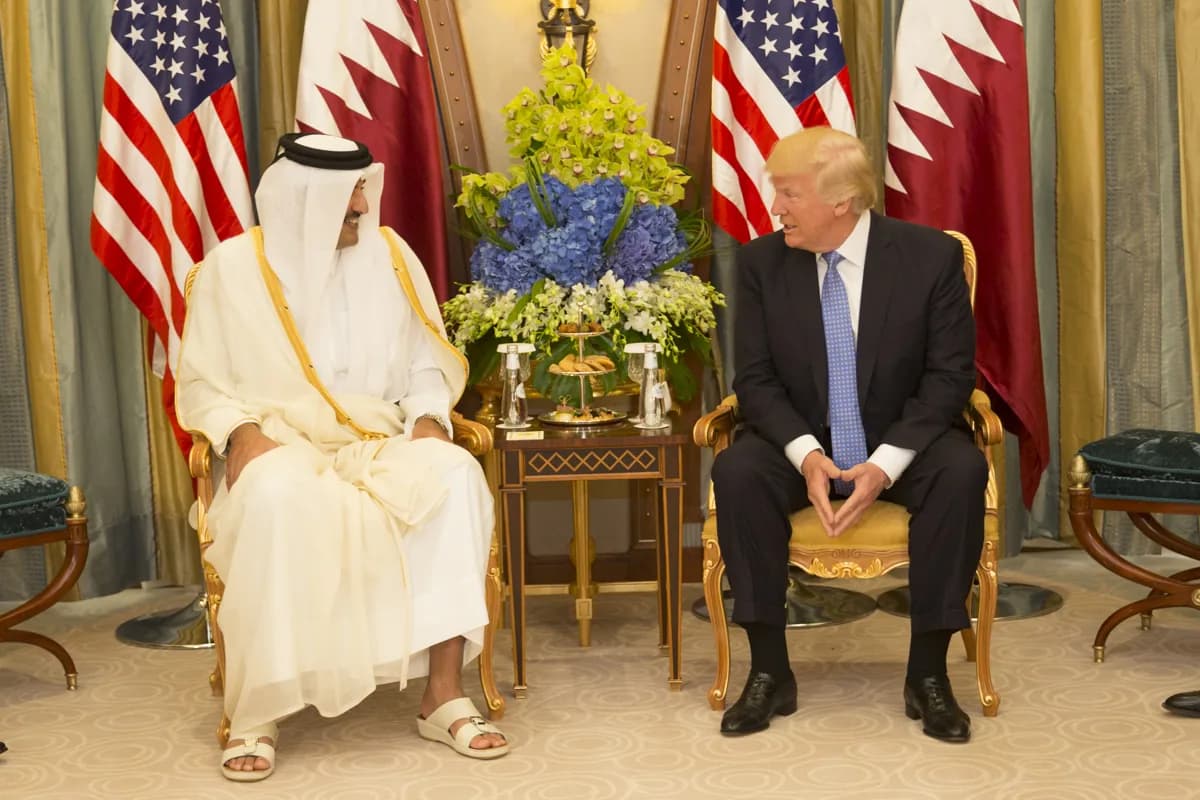
Trump wrote on Truth Social on Monday, after speaking with Qatari Prime Minister Mohammed bin Abdulrahman Al Thani, that Qatar, Saudi Arabia, the United Arab Emirates, Bahrain, Kuwait and others would rather keep the current situation. He also described positive momentum toward ending the war, now nearly nine months old, and said fresh US strikes on Iran looked quite unlikely, according to the report.[S1]
According to the Financial Times, several regional heads of state—Turkey's Recep Tayyip Erdoğan, Saudi Crown Prince Mohammed bin Salman, the UAE's Mohammed bin Zayed Al Nahyan and Qatar's Emir Tamim bin Hamad Al Thani—have contacted Trump over the past few days, urging him to allow more room for diplomacy. A diplomat familiar with the Qatari premier's talks said both parties concurred that a negotiated settlement is the preferred outcome. Leaders in the region fear that a return to hostilities might trigger broader Iranian reprisals and deepen instability throughout the Middle East.[S1]
Tehran sets terms and warns of escalation
Tehran has warned that it will respond to any new attacks and could carry the conflict beyond the Middle East. An Iranian official, speaking to Fars News Agency on Monday without being named, rejected reports that talks were under way to reopen the Strait of Hormuz in return for the release of $8 billion in frozen assets. The official said Tehran would negotiate only within a framework of seven conditions already conveyed to Washington, including an end to the naval blockade and unilateral sanctions, the freeing of frozen assets and a halt to the war.[S1]
The United States and Israel attacked Iran on Feb. 28, and the sides reached a July memorandum of understanding to stop the fighting before hostilities resumed as diplomatic efforts stalled.[S1]