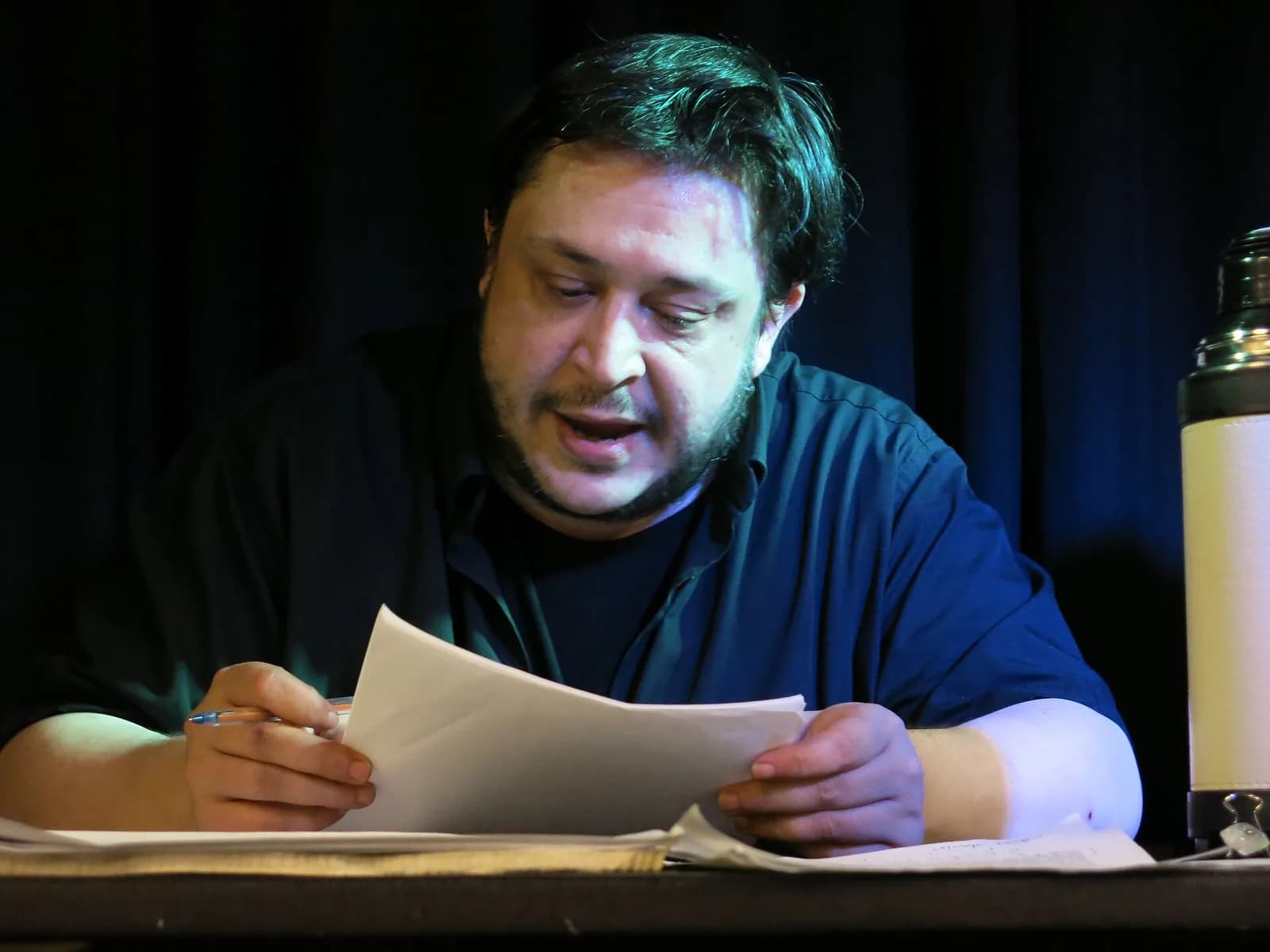
A criminal complaint centered on Orsai
Hernán Casciari, a writer who built a following through independent publishing and audiovisual work, is now the central figure in a criminal complaint filed in Argentina. The accusation is fraud, and it concerns the operation of Orsai, the production company he leads. The complaint began with a group of 18 investors who put money into film and theater projects and now say they were harmed by how the business was run.[S1][S2]
Reporting on the case emerged through the entertainment program Primicias Ya. According to that coverage, the amount at stake is around 6 million dollars. The complaint describes a model in which members of the public were invited to join as investing partners in Orsai's productions rather than simply as audience members or donors.[S1][S2]
How the investment model was presented
Journalist Marina Calabró described the mechanism on the program, saying Casciari asked people to put money into Orsai so that audiovisual projects could be financed, and that he held out the prospect of recovering five times what was contributed. In her account, the pitch promised a return far above the initial outlay, which is what drew savers toward the scheme.[S1][S2]
The reach of the initiative was considerable. Around 20,000 people are said to have taken part in financing various productions, among them La muerte de un comediante, a film starring Diego Peretti. That scale helps explain why the dispute has moved quickly from a niche publishing story into a broader media controversy.[S1][S2]
Celebrities caught up in the fallout
The complaint also names public figures who took part in initiatives connected to the project and, according to the coverage, encouraged audiences to join. Andy Kusnetzoff is among them: the complaint states that some investors learned about the opportunity through his radio program. Diego Peretti, Justina Bustos and Darío Barassi are also mentioned because of their promotional role.[S1][S2]
Calabró stressed that Casciari was a regular participant on Perros de la calle, the program hosted by Kusnetzoff, and argued that listeners would have heard him promoting the investment. She framed the situation as a full-blown scandal in which participants are now seeking to recover their money, while those who lent their public profile to the pitch face questions of their own.[S1]