Government Blames Protesters for Congress Clashes
Argentina's national government rejected the incidents that took place Thursday in the vicinity of the Congress building, where confrontations broke out between demonstrators and police during the fifth Federal University March. In messages posted on social media, Security Minister Alejandra Monteoliva asserted that the same violent actors as always were trying to impose chaos, and she maintained that the right to demonstrate does not amount to permission to commit violence. She further warned that anyone who attacks security personnel, damages public property, or commits crimes will have to answer before the courts, adding that in Argentina no one stands above the law.[S1][S2][S3]
The minister also contended that the protesters involved were seeking to defy the security forces and turn the streets into a free zone. Her statements came after authorities deployed an anti-picketing protocol that included water cannon trucks and tear gas to disperse groups that threw blunt objects and attempted to breach the fence surrounding the Legislative Palace.[S2][S3]
How the Violence Unfolded Near Congress
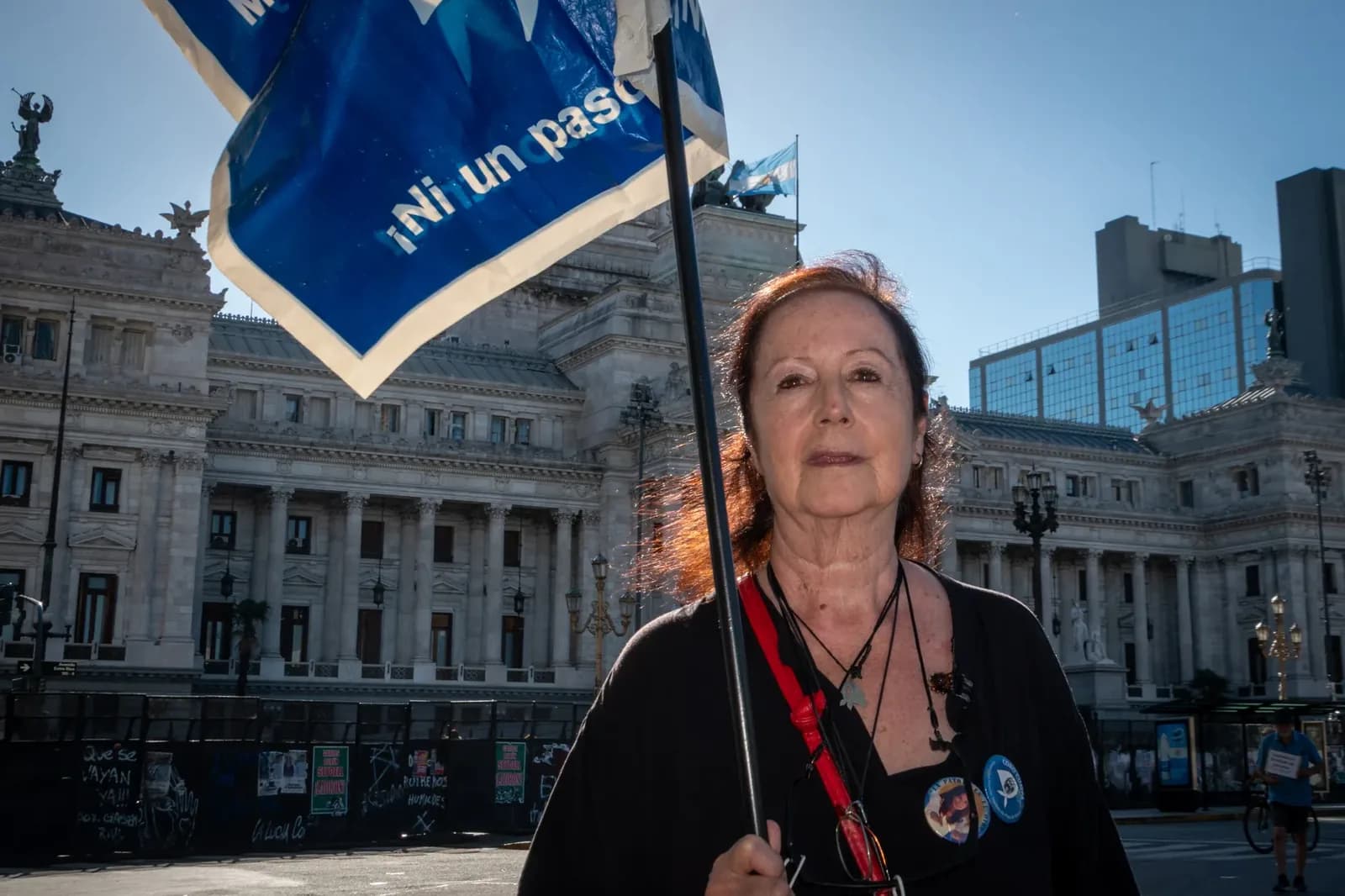
The confrontations occurred during a mobilization called by students, teachers, non-teaching staff, and university rectors, with backing from unions, social organizations, and political sectors, to demand funding for public universities. According to accounts of the events, the incidents began minutes before 4 p.m., when, following an exchange with demonstrators, police officers responded with tear gas and a water cannon truck to disperse those taking part in the clashes.[S1][S3]
Some participants disputed the security forces' actions. A young man at the march told TN that police had begun repressing everyone who had come to demonstrate peacefully. Another person near Congress, who identified as a student at the National University of La Plata, said they had come to protest peacefully and accused police of starting to repress, adding that the situation could not continue that way. Many demonstrators said the events were triggered after 4 p.m., when a group began breaking benches and sidewalks and throwing stones at officers.[S1][S2]
Opposition Pushback and Political Fallout
Opposition figures made visible their claim that repression occurred during the mobilization. Germán Martínez, who heads the Peronist bloc in the Chamber of Deputies (Unión por la Patria), left the chamber and told the press that there had been a provocation. He said the march had been proceeding normally, that the police's conduct was well known, and that officers should be the ones guaranteeing the march rather than failing to do so. He asked why there are no problems when police are absent, and concluded that every demonstration ends in repression.[S2]
Presidential adviser Santiago Caputo also weighed in, targeting the left and complaining that their only tactic is to instill terror. He added that they no longer even have the capacity to cause damage, that the course of events is unalterable, and urged the left to tremble because freedom is advancing, in a post on his X account.[S2]
The day was also marked by parliamentary activity and opposition attempts to advance initiatives that the ruling party seeks to block. In that context, opposition blocs failed to gather the necessary quorum in the Chamber of Deputies to debate the repeal of Necessity and Urgency Decree 70/2023. The absence of legislators linked to governors allied with the government was decisive in preventing the session.[S3]