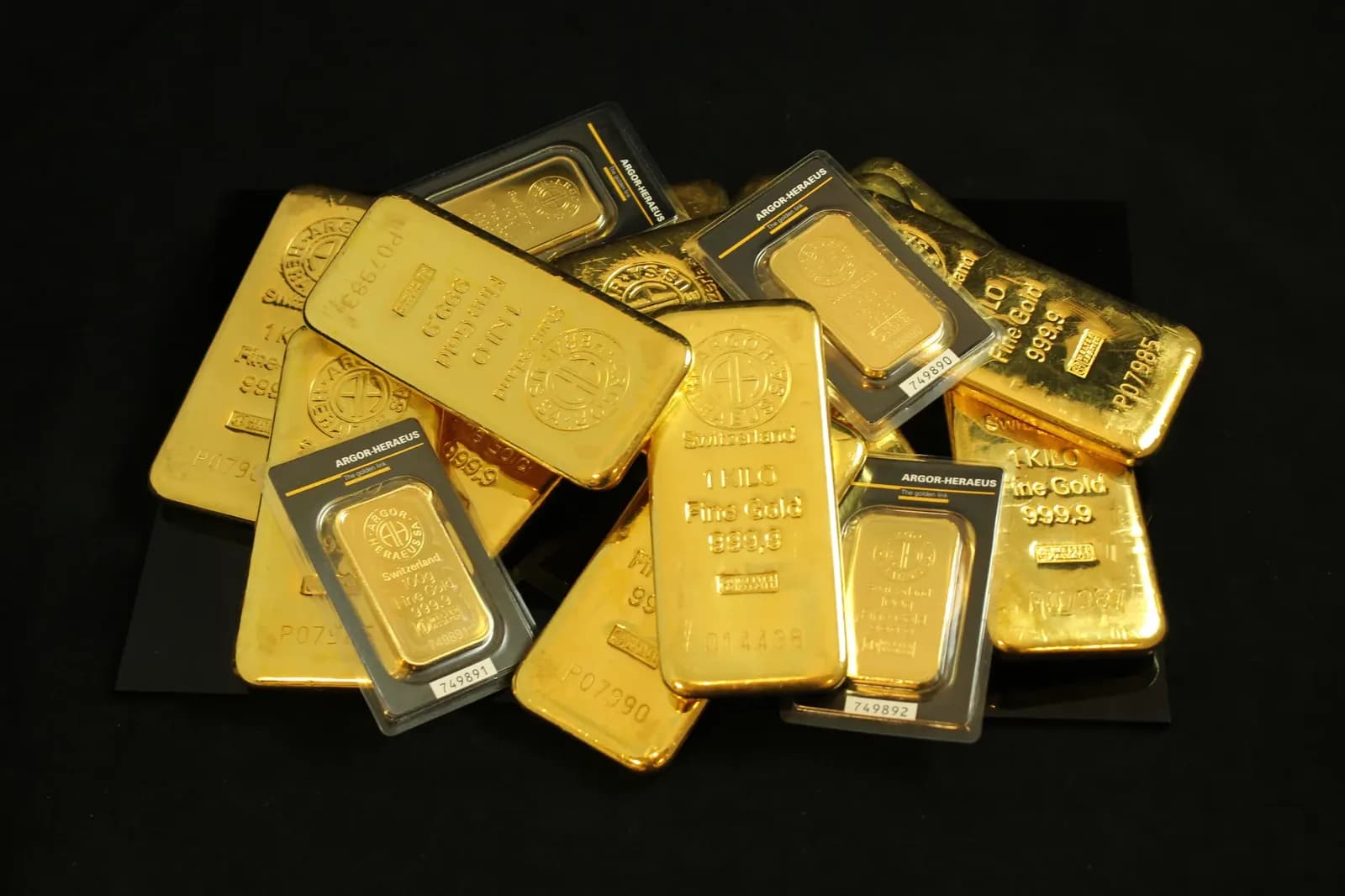
Bullion stays beneath the US$3,900 mark
Gold was changing hands at US$3,869 an ounce at 2.50pm Sydney time on 16 November, a drop of 0.33% from the prior session and still short of the US$3,900 threshold. The metal has been pressed by a combination of firmer crude prices, stubborn inflation readings and increasingly hawkish language from US Federal Reserve officials, according to Mining.com.au.[S1][S2]
Rate expectations are the central driver. Traders now attach a 92% probability to a quarter-point increase in December, with only an 8% chance assigned to a half-point move. Because gold pays no yield, tighter policy makes interest-bearing alternatives comparatively more appealing, and a rising US dollar raises the cost of bullion for buyers settling in other currencies.[S1]
Warsh appearance and FOMC minutes in focus
Attention now turns to Fed Chair Kevin Warsh, who is scheduled to deliver opening remarks at the Fed's Productivity and Jobs Task Force Conference in San Francisco at 9am Pacific time on 16 November, which is 3am Sydney time on 17 November. The gathering brings together technology executives, economists and employers to weigh whether artificial intelligence will pull inflation down, drive prices up, or displace workers.[S1]
The conference precedes publication of the October Federal Open Market Committee minutes, due on Wednesday 18 November, or 19 November Sydney time. Investors are also awaiting US jobless claims, existing home sales and producer inflation data for signals about the central bank's next step.[S1]
Goldman Sachs lowers its long-range target
Goldman Sachs has trimmed its end-2027 gold price projection to US$4,650 an ounce from US$4,800. The investment bank tied the reduction to expectations of additional Federal Reserve increases, which it said threaten to dampen private investor appetite for the metal. A stronger dollar and higher rates both work against gold, since the asset generates no income and becomes costlier for holders of other currencies.[S1]