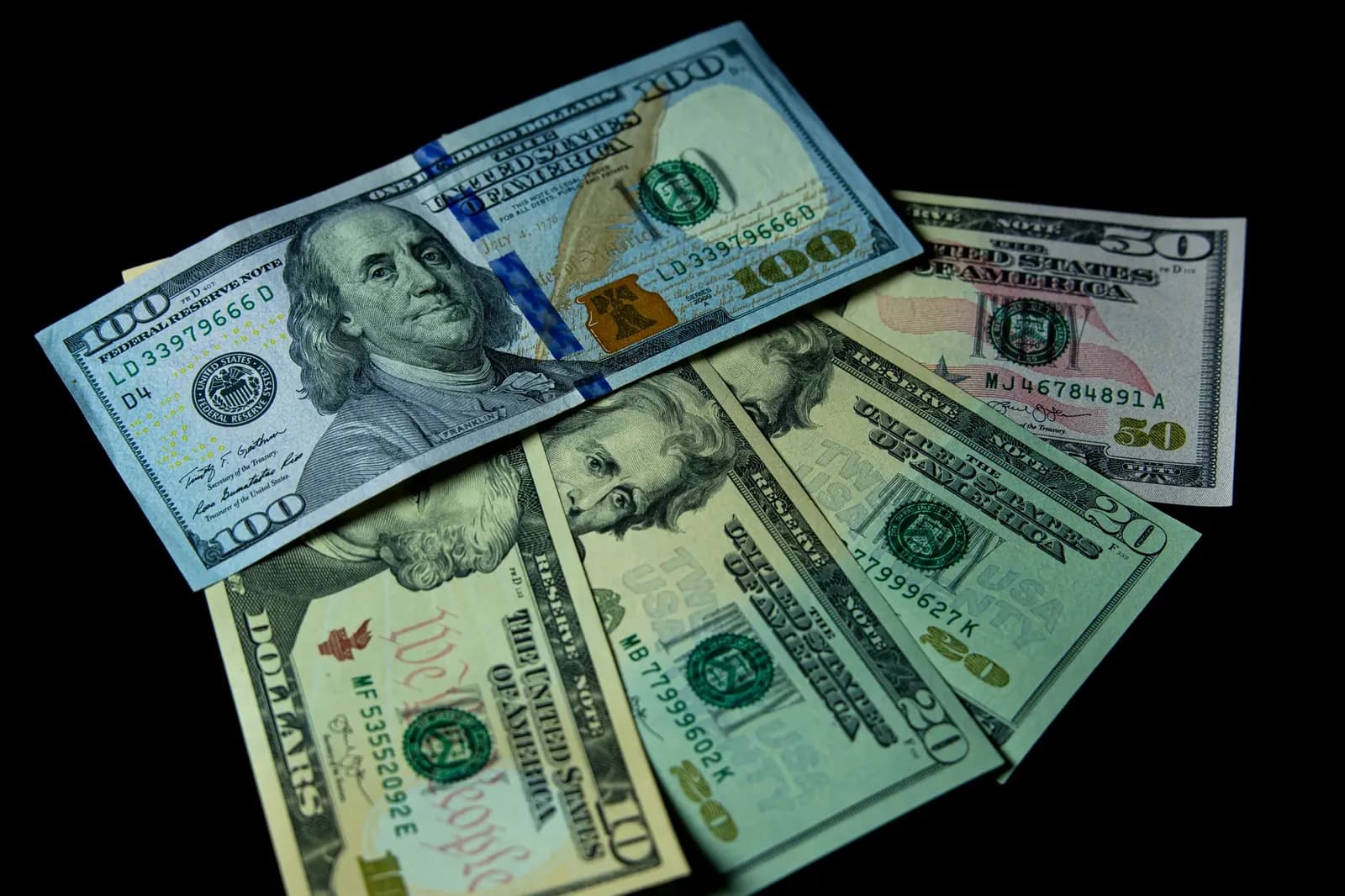
A psychological threshold gives way
The Japanese currency traded weaker than 160 to the dollar on Friday, a level it had not reached since the start of September. Selling pressure built through the week rather than arriving in a single session, and the crossing of that round number drew attention because traders and officials have long treated it as a marker of stress.[S1][S2][S3][S4][S5]
The move was not confined to the yen. The dollar climbed broadly as investors priced in a more aggressive path for Federal Reserve interest rates, a shift set off by US inflation figures that came in above forecasts and by remarks from Fed officials that leaned toward tightening. The gap between US and Japanese policy settings has been the underlying force behind the yen's slide.[S1][S7][S8]
Tokyo signals it is watching
Japanese authorities responded with verbal warnings rather than action. Finance Minister Satsuki Katayama said officials would stay in close contact with their American counterparts and would take suitable steps if needed to counter sharp or excessive currency moves. Her remarks framed intervention as a live option without committing to a date or a level.[S1]
Atsushi Mimura, Japan's top currency diplomat, reminded investors not to overlook last summer, when Japanese and US authorities acted together to prop up the yen. His reference to that episode served as a reminder that joint action has happened before and could be repeated, even as reporting elsewhere noted that a limited US role in past intervention may have weakened its deterrent effect.[S1][S5]
Understand this article deeper
What to watch next
The immediate question is whether the yen's weakness accelerates or stabilizes now that 160 has been crossed. Further gains in the dollar, should US data keep surprising to the upside, would add to the pressure, while any hint of slower Fed tightening could relieve it. Traders will also weigh how seriously to take Tokyo's warnings, given that talk alone has not reversed the trend this week.[S1][S5][S8]
A second thread runs through the Bank of Japan. Reporting on the central bank noted that board member Asada has urged caution about raising rates further, a stance that, if it prevails, would keep Japanese borrowing costs low relative to those in the United States and sustain the interest-rate gap weighing on the currency.[S6]