A nationwide day of marches
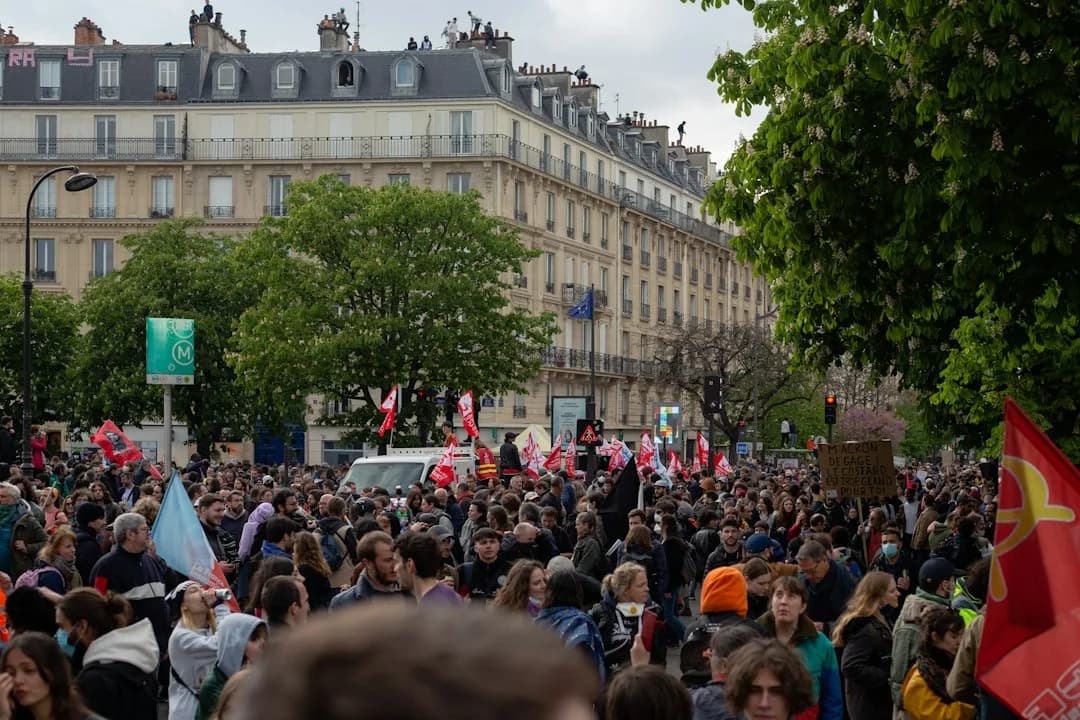
Cities across France filled with demonstrators on Saturday as crowds turned out to back teenagers demanding more teachers and repairs to run-down school buildings. The government put the national turnout at no fewer than 400,000, while trade unions said the figure was twice that. Officials reported close to 1,000 arrests over the course of the day.[S1][S2][S3]
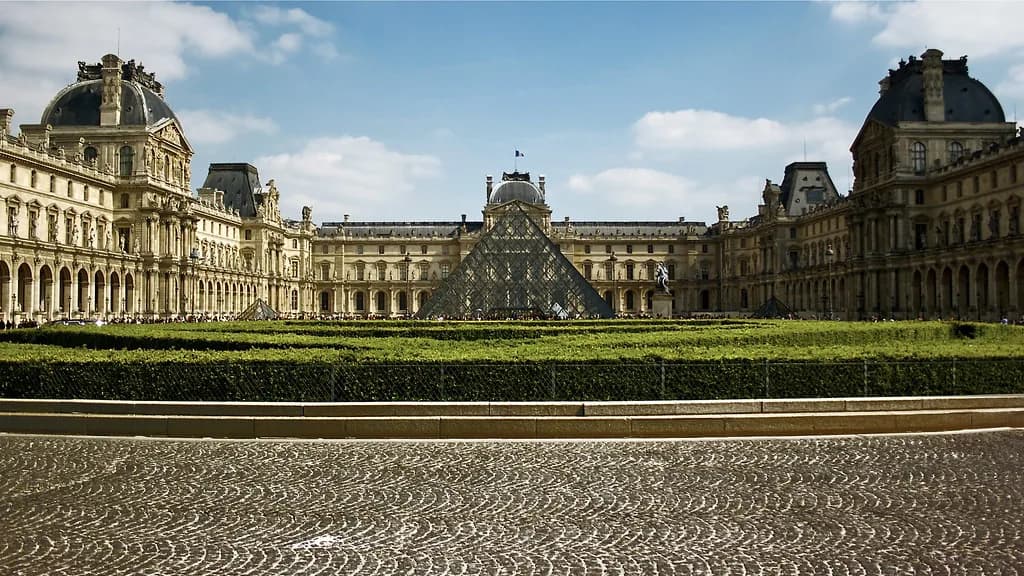
In the capital, at least 110,000 people walked along the eastern rim of Paris, according to government estimates. Many said they had come out for the students but also voiced frustration over the cost of living and what they described as heavy-handed policing, arguing that riot officers had spent the past month targeting school protesters rather than offering political answers.[S1][S3]
The Paris atmosphere was largely calm and cheerful into the afternoon, with brass bands performing and families bringing children and grandchildren along. Some marchers held banners criticizing the government's policing approach, including slogans about oppression breeding rebellion and about the right to protest.[S1]
Clashes at the close of the Paris march
As the Paris demonstration ended at Porte de Vincennes on the city's eastern edge, groups of masked men in black appeared who did not seem to have joined the peaceful procession. Some threw glass bottles and stones at officers, who answered with tear gas, water cannon and stun grenades. A bin was set on fire and fireworks were launched toward police.[S1][S4]
Officers also used tear gas in Lyon, Lille, Montpellier, Nantes and Toulouse to keep demonstrators out of city centers, and bin fires broke out in Marseille during confrontations with police. More than 70,000 officers were deployed across French cities, shops were boarded up and many museums stayed closed.[S1][S5]
Laurent Nunez, the interior minister, reported that 135 people were taken into custody and that officers recovered weapons including metal balls, lead pellets, fireworks, slingshots, steel balls, homemade arms, a katana and airsoft guns. Officials had prepared for a possible replay of the prior Saturday, when public buildings went up in flames, hundreds of shops were wrecked or plundered, and at least 2,700 arrests were made across the country even though other rallies stayed peaceful.[S1][S5]
Anger at the government and a movement's roots
Protesters expressed widespread frustration with Macron, both for prohibiting demonstrations not organized by unions, which his government called illegitimate, and for steering all marchers away from city centers. The unrest started in mid-September, when pupils between 15 and 18 demonstrated against staff shortages, leaky and deteriorating buildings, and insufficient seating in packed classrooms. It has grown into the biggest youth mobilization in years, drawing in unions, teachers and parents, while police face investigations after explosive weapons left some children and demonstrators wounded or maimed.[S1]
The crowd included yellow-vest participants who had joined the gilets jaunes anti-government protests of 2018 and 2019. Jérôme Rodrigues, a well-known figure from that movement, contended that the government was frightened and for that reason was driving demonstrators toward the city's outskirts, far from the seats of power, adding that police shields would not solve the problems of French people who cannot make ends meet. He anticipated protests would keep happening each weekend.[S1]
In Orléans, thousands marched against a congress of Marine Le Pen's far-right, anti-immigration National Rally party, shouting anti-fascist slogans and criticizing both Le Pen, a frontrunner in next year's presidential election, and Macron, who leaves power next year.[S1]