A mayor's first six months and a charred clock tower
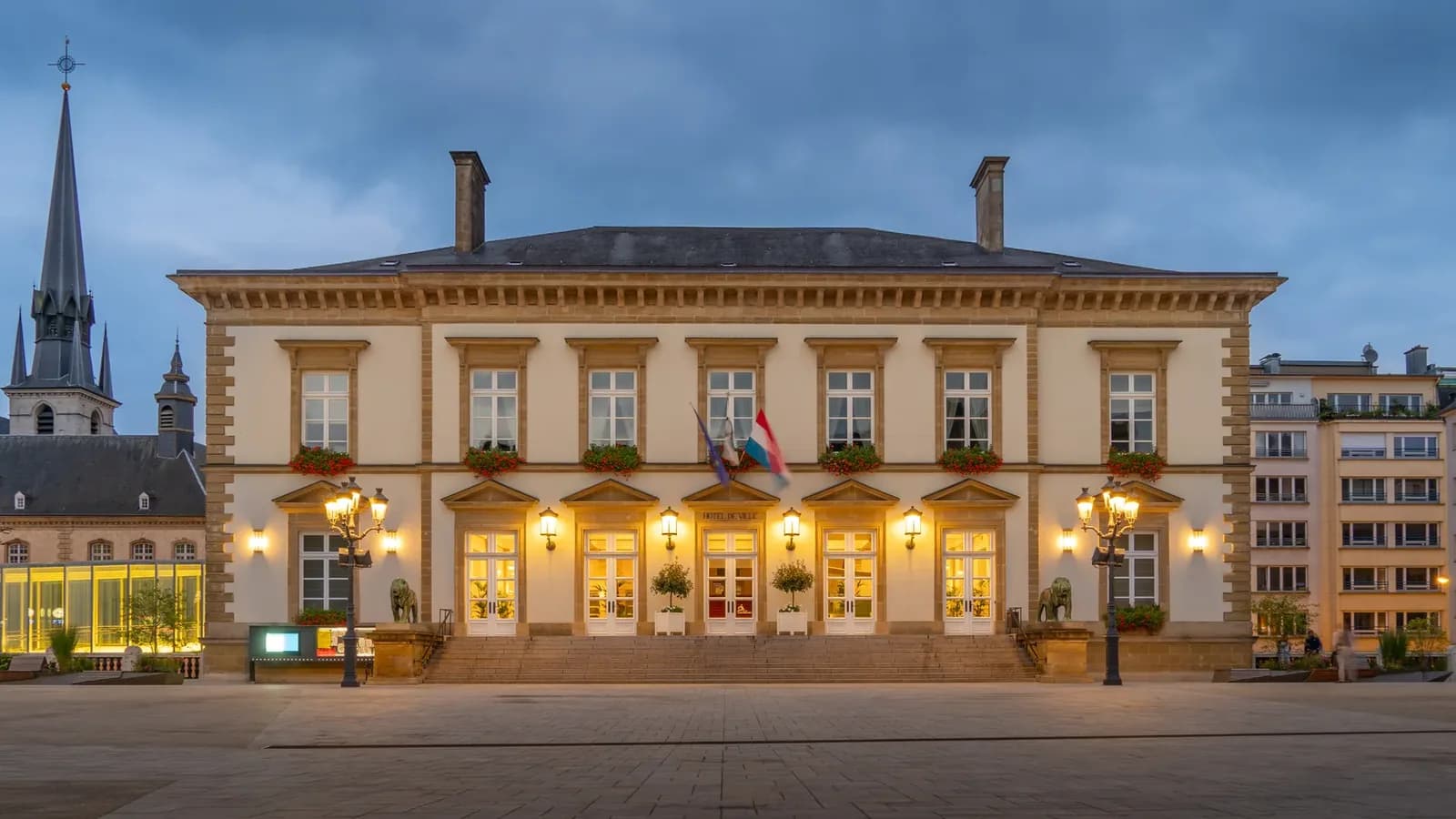
Guillaume Guérin had held the mayor's office for only half a year when the building at the centre of his city became the emblem of last week's nationwide unrest. The 19th-Century town hall still stands, imposing but weakened, its exterior scorched by fire. The collapse of its wooden clock tower into the flames produced shock and anger across the country, and Guérin, who wept when he grasped the extent of the damage, considers that reaction warranted and easy to understand.[S1][S2]
Flowers and quiet onlookers at the entrance make plain that Limoges is grieving harm to its most recognisable and, by common agreement, loveliest structure. The mayor attributes the destruction to the French hard left, which he says rioters backed. Two men are in custody, one aged 66 and another 34; prosecutors describe both as tied to radical-left networks. Guérin, a conservative, says he has heard from US Vice President JD Vance but not from Emmanuel Macron, France's outgoing president.[S1]
In the mayor's reading, the episode will weigh on the presidential contest now six months off, and he argues the country is in poor shape. For weeks, crowds numbering in the hundreds of thousands, largely young, have demonstrated, and both the size and the range of the movement have grown. What began as a complaint about dilapidated high schools has broadened into frustration, even fury, about how hard and how costly daily life has become.[S1]
A government short of solutions, a majority and time
Behind the protests sits a formidable fiscal deficit, among the largest in Europe, while candidates across the political spectrum claim to hold the answers before the presidential vote. In the middle stands a centrist government lacking remedies, a working majority in the National Assembly and time. Prime Minister Sébastien Lecornu travelled to Limoges on Friday evening. Authorities have barred demonstrations in several cities and pledged more police over the weekend to prevent a repeat of the rioting, with overnight curfews in Limoges and gatherings in the centre capped at ten people.[S1]
The French take pride in a political tradition rooted in street protest, and many in Limoges judge the town hall's destruction to have passed well beyond what reasonable demonstration allows. Others do not. Whether the ruin alters the direction and temper of an increasingly polarised debate depends on whom you ask in this city.[S1]
Students weigh a symbol against monthly survival
At the Lord John pub on student night, Alexander, 24, wears a faluche, the traditional colourful beret of French students, as do several others. Many of those chatting through vape mist joined last weekend's demonstrations. Alexander calls the fire sad because the building symbolises the Republic, yet asks which matters more, a town hall or people living in poverty. Pressed on whether the looting and fires, with damage in Limoges reported at €500,000, strengthened his case, he concedes that some see catastrophe and that certain acts cannot be accepted.[S1]
Jade, a 19-year-old medical student, shares that outlook: she finds the burning sad but not the saddest aspect of the protests. She says she must live on €300 a month and feels young adults are not respected.[S1]
Market traders, a century-old stall and a plea for calm
Under the market halls, whose narrow timbers rest on studded steel girders painted duck-egg blue and engineered on the same principles as the Eiffel Tower, the mood differs. Jean Roger Faucher, 63, would rather forget a week of chaos. His family has kept a fishmonger's stall in this beef-renowned region for over a century. He says the town hall left residents stunned, and that he married there, so the effect on him was beyond imagining.[S1]
Faucher's sympathy for the demonstrators has limits. He grants that their grievances are understandable, but argues that once vandalism begins and residents' lives are endangered, it cannot be accepted. Among traders arranging iced displays of fresh produce or sipping hot coffee, the wish is for the temperature of the protests to fall.[S1]
Pascale Vuylsteke, 59, leaning over shelves of butchered pork, agrees that life is expensive and says existence is no calm river but complicated; people grit their teeth and work, she says. She puts in 100 hours a week and struggles to see why so many others have so readily taken to the streets.[S1]
Limoges has stood at the centre of social action before. In the 19th Century, around the era when the town hall rose, its industries, porcelain above all, made it a major hub of the French labour movement. In 2026 the city occupies centre stage again in a political rupture, and there is broad hope that losing a prominent piece of its history will push the demonstrations from destruction back toward debate. With polarisation set to persist and more protests planned, that outcome is far from assured.[S1]